
 Ar
Ar  En
En ST. LUCIA |Pierre's Landslide and His Warning: St Lucia's "New Ethos" Demand
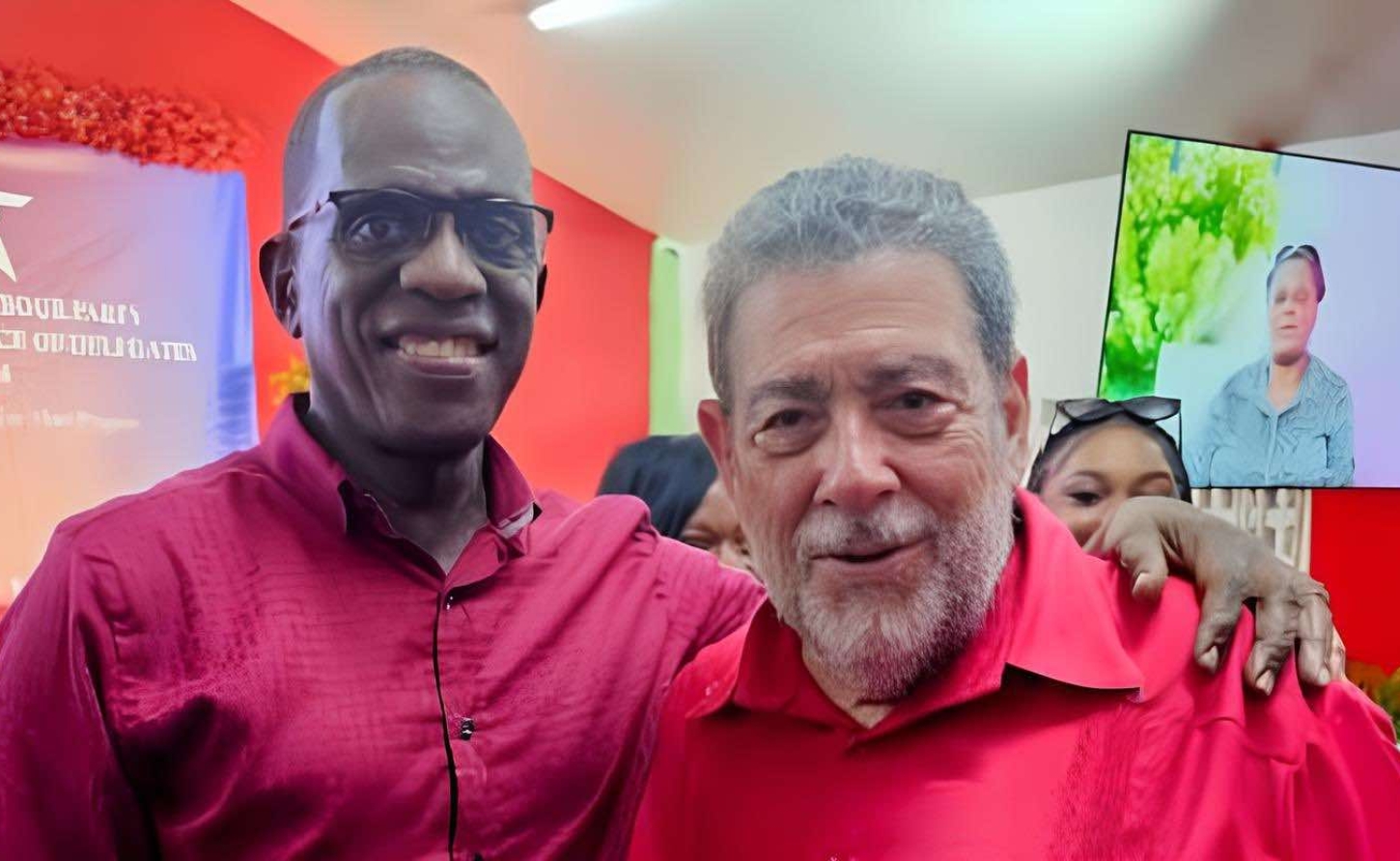
St. Lucia's Prime Minister Philip Joseph Pierre and former St. Vincent and the Grenadines Prime Minister Dr. Ralph Gonsalves, whose Unity Labour Party had just suffered defeat on November 27
Historic re-election masks PM's sharp rebuke of social media "foreign entities" and democratic threats
CASTRIES, St. Lucia — When Philip Joseph Pierre took his second consecutive Oath of Office on December 5, surrounded by five Caribbean prime ministers and the pomp of multi-denominational prayers, the ceremony should have been pure celebration.
Instead, St. Lucia's newly re-elected leader delivered a warning that cut through the festivity like a machete through cane: the nation faces threats from "foreign entities trying to destroy democracy" through social media manipulation.
The message was unmistakable, even as Pierre became only the third St. Lucian prime minister re-elected for a second consecutive term—and the first to achieve it with such overwhelming force.
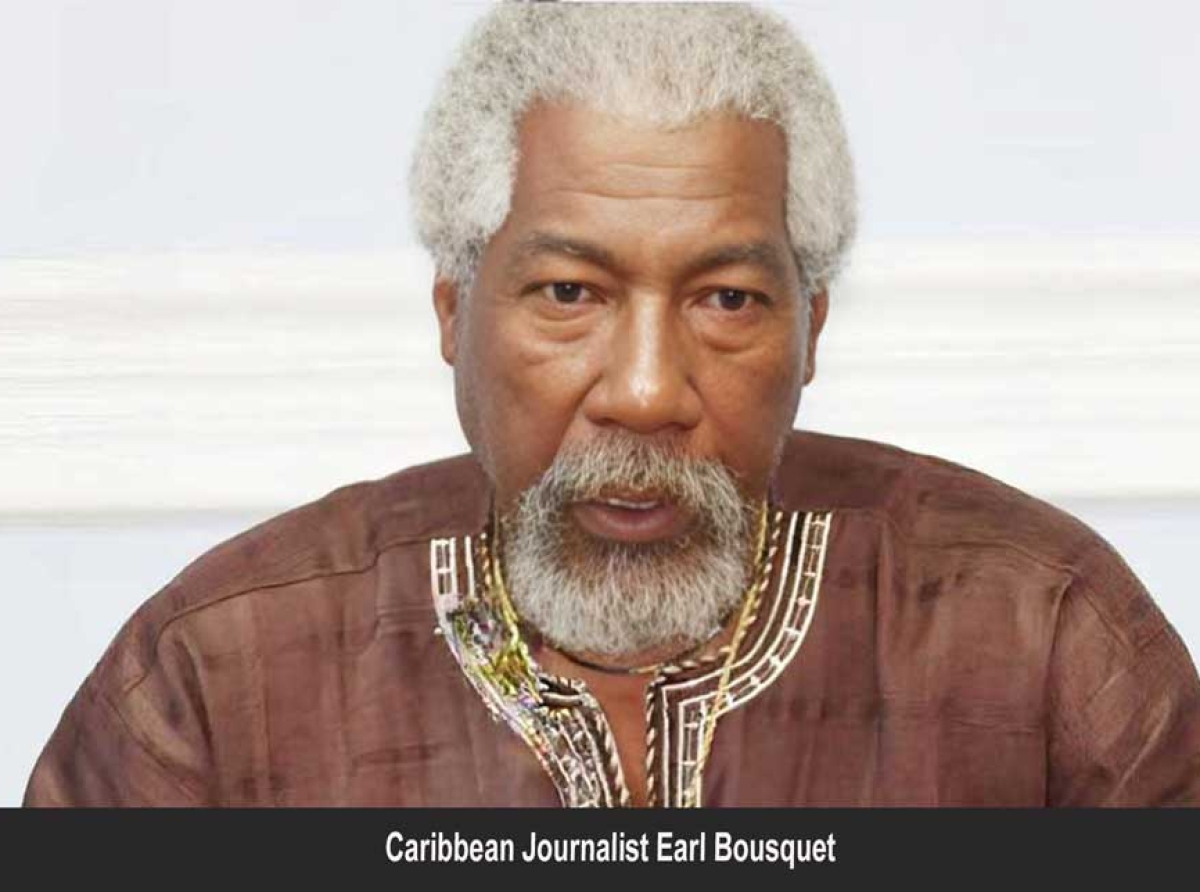
According to veteran journalist Earle Bousquet, reporting from Government House in Castries, the Saint Lucia Labour Party's (SLP) victory was nothing short of seismic: 14 of 17 seats, 60.5% of all votes cast—the highest vote share in the nation's electoral history since independence in 1979.
 The Numbers Tell a Devastating Story
The December 1 poll didn't just favor Pierre's SLP; it obliterated the opposition United Workers Party (UWP). Bousquet reports that the UWP was reduced to a single seat, with only party leader and former Prime Minister Allen Chastanet surviving the electoral carnage.
This marks the UWP's second catastrophic 16-1 style defeat since 1997, both occurring under Chastanet's leadership—a damning indictment that reportedly prompted unconfirmed speculation about his resignation as party leader.
Pierre himself won his Castries East constituency for a record seventh consecutive time since 1997, with both more votes and a wider margin than his 2021 victory.
The SLP's enhanced performance represents what Bousquet describes as "a longer-term shift in voters' confidence," breaking the revolving door pattern that characterized St. Lucian politics from 2006 to 2016, when the SLP and UWP traded power with alternating 11-6 results.
A Caribbean Labour Movement Moment
The guest list at Government House read like a who's who of Caribbean progressivism: Prime Ministers Gaston Browne (Antigua & Barbuda), Mia Mottley (Barbados), Roosevelt Skerrit (Dominica), Dickon Mitchell (Grenada), and Terrance Drew (St. Kitts and Nevis).
Notably present was former St. Vincent and the Grenadines Prime Minister Dr. Ralph Gonsalves, whose Unity Labour Party had just suffered defeat on November 27—a poignant reminder that electoral fortunes can shift rapidly even for established leaders.
Their presence wasn't merely ceremonial. Bousquet notes these leaders "represented ruling Caribbean Labour Parties," underscoring regional solidarity within a political movement that has dominated Eastern Caribbean politics for much of the past two decades.
With CARICOM Deputy Secretary General Dr. Armstrong Alexis and OECS Director General also in attendance, Pierre's swearing-in became a statement about regional political alignment.
"Putting People First"—But Which People?
Pierre's address began conventionally enough, promising to continue his administration's "Putting People First" philosophy and outlining an ambitious agenda: youth economy investments, digital economy development, blue economy growth, tourism expansion, debt curtailment, and long-delayed infrastructure projects including completion of Hewanorra International Airport.
But the tone shifted sharply when Pierre addressed what he clearly views as existential threats to St. Lucian democracy. "I am addressing you in the right mood!" he declared, before warning about society "falling under the strain of negativity" and calling for "more engagement with our male youth" being tempted by "gang-membership" and "disgraceful codes of behaviour."
Then came the hammer blow. According to Bousquet's reporting, Pierre "railed against what he regarded as deliberate misuse of Social Media platforms to 'misinform' and 'mislead,'" issuing an urgent call to "stop using" online platforms to violate democratic norms.
His declaration was unequivocal: "No one should cooperate with foreign entities trying to destroy democracy and disrespect Saint Lucians…"
The Uncomfortable Questions
Pierre's landslide victory—the clearest mandate any St. Lucian leader has received in modern history—makes his preoccupation with social media "foreign entities" particularly intriguing. What exactly does he mean? Which entities? What specific violations concern him?
The prime minister called for "an urgent reset" and "a new ethos" including "more enlightened use of Social Media" and "better standards for the future." But the vagueness raises more questions than answers. Is this about countering genuine disinformation campaigns? Or establishing parameters that could constrain legitimate political criticism?
Caribbean leaders have increasingly confronted the double-edged sword of social media: platforms that democratize information access while potentially amplifying foreign interference, misinformation, and corrosive political discourse. Pierre's concern may be genuine—but so too is the risk that "foreign entities" becomes a convenient catchall for dismissing inconvenient domestic criticism.
National Healing Through Rebuke?
The multi-denominational prayers that opened the ceremony called for "national healing in post-election era" and "easing the pain of those disappointed by the results." The Christian Council representatives prayed for divine guidance and Cabinet wisdom.
Yet Pierre's sharp warnings about social media and foreign interference hardly project the conciliatory tone typically associated with post-electoral unity efforts.
Perhaps this is the new reality: landslide victories no longer guarantee political peace, especially in an age where opposition parties, reduced to parliamentary irrelevance, can still wage guerrilla warfare through digital platforms. Pierre appears determined to preempt that insurgency before it begins.
What Victory Means—and Doesn't
As Bousquet observed, Pierre concluded his address declaring himself "very excited and optimistic about the future of Saint Lucia." He has every right to be. His victory represents a clear repudiation of Chastanet's UWP and a strong endorsement of SLP governance.
But his warnings about foreign interference and social media misuse suggest anxiety beneath the triumph. In an era where Caribbean nations increasingly assert sovereignty against external pressures—whether from traditional powers or newer digital actors—Pierre's "new ethos" demand may represent the opening salvo in a broader struggle over who controls political narratives in small island states.
The people of St. Lucia have spoken decisively. The question now is whether Pierre's "new ethos" will protect their democracy—or constrain it.
-30-