
CARICOM | An Apology Is Not the Finish Line: Pierre Welcomes Burnham's Apology Offer, Rejects His Terms
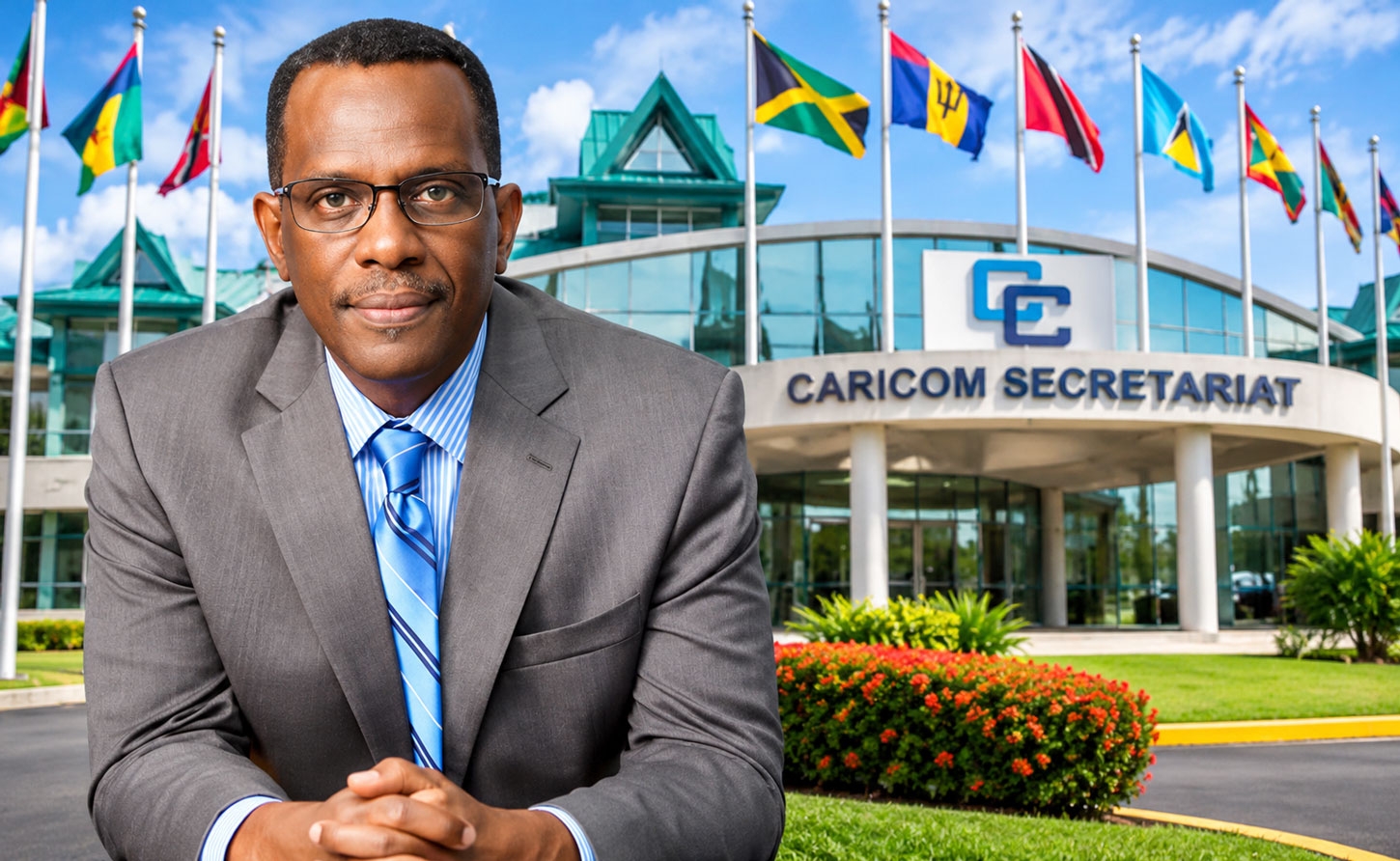
Chair of the Caribbean Community (CARICOM), the Hon Philip J Pierre of Saint Lucia.
As Commonwealth leaders gather in St John's, Philip J. Pierre welcomes a British Prime Minister's unprecedented openness to a formal apology — then dismantles, point by point, the claim that reparations are "not the right answer".
MONTEGO BAY, Jamaica, Calvin G Brown — Britain has never had a Prime Minister go this far. The Caribbean has never been less willing to settle for it.That, in a sentence, is the message CARICOM Chairman Philip J. Pierre sent from Georgetown on Saturday, hours before the Commonwealth Heads of Government Meeting opens today in Antigua and Barbuda.
His statement responds to remarks published by Andy Burnham, the United Kingdom's Prime Minister, who wrote in The Guardian that he feels personal sorrow and regret for slavery, is open to a formal apology on behalf of the British state, and is offering "a structured dialogue with those affected by the transatlantic slave trade".
Pierre, the Saint Lucian Prime Minister, began by giving credit where it is due. "No British Prime Minister has gone this far before," he said. "It would be wrong of us not to say so." For more than a decade, he noted, the Community has asked for precisely such a dialogue. "We are ready to engage."
Then came the pivot that will define the week in St John's: "But friendship requires candour."
“A dialogue that begins by placing reparations outside the room cannot be a complete dialogue.”— Philip J. Pierre, Chairman of CARICOM
The argument Britain keeps making — and the Caribbean keeps rejecting
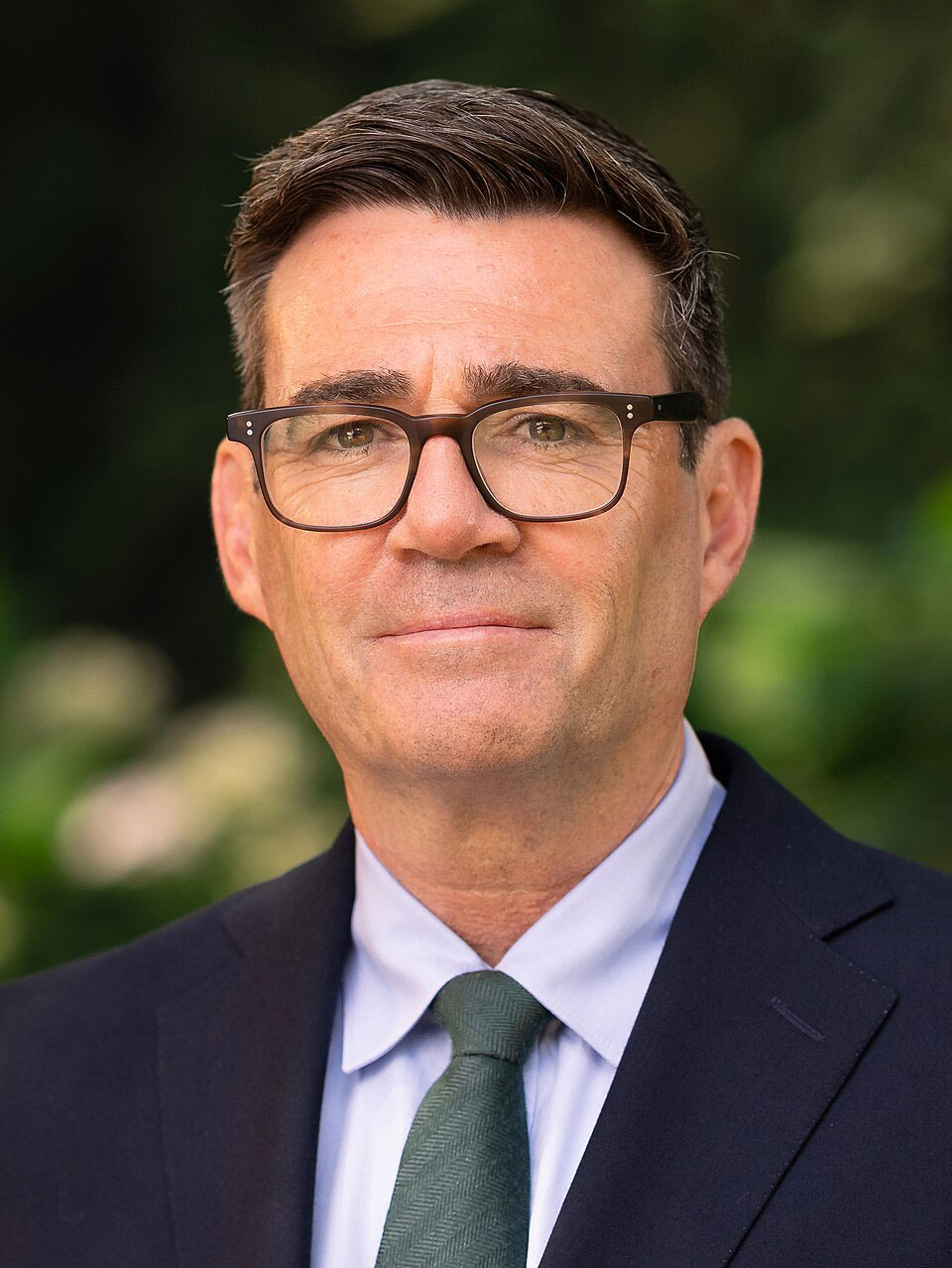
UK Prime Minister Andy Burnham open to a formal apology on behalf of the British state, and is offering "a structured dialogue." No Reparations.
His Chancellor, John Healey, and Treasury Chief Secretary Emma Reynolds repeated the line on British television on Sunday — an apology is being considered; financial reparations are not.
Pierre's answer was unsparing. "The Caribbean Community does not accept that reparations are 'not the right answer'," he said. "Reparatory justice has never been about individual guilt. It is about the responsibility of states and institutions — and that responsibility does not expire with the passing of generations."
He went further, naming the truth London prefers to leave unspoken: successive generations of Britons "continue to be the beneficiaries, materially, socially and psychologically" of racialised chattel enslavement.
The state that legislated, protected and profited
The heart of Pierre's statement is a reminder that this was never a private sin. "The British state did not simply tolerate slavery; it legislated for it, protected it and profited from it."
At Emancipation, that state paid compensation — not to the enslaved, but to the enslavers, for the loss of their "property". The freed received no land, no wealth and no compensation. The borrowing raised to fund those payments was still being serviced by British taxpayers until February 2015.
"That is not a distant history," Pierre said. Its consequences are lived daily — in the burden of chronic disease, in gaps in education and opportunity, in fragile economies built for extraction, and in debts Caribbean nations continue to carry.
Reparations, he insisted, are "not about blame" and "not about revenge" but "about truth, and it is about justice for the human suffering of slavery".
An apology without repair is incomplete
CARICOM would receive a formal apology from the British state "as a moment of historic importance", Pierre said. But he was explicit that it is a first step, not a final one. "An apology without repair is incomplete."
He pointed to the CARICOM Ten-Point Plan for Reparatory Justice — a developmental agenda spanning a full formal apology, public health, education and training, cultural heritage restitution, psychological rehabilitation, technology and entrepreneurship, debt cancellation, monetary compensation and decolonisation.
The dialogue Burnham is offering, he said, must put every element on the table, extending also to the genocide of Indigenous Peoples and the harm done to those brought from India and China to sustain the colonial system.
"A dialogue that begins by placing reparations outside the room cannot be a complete dialogue."
Debt relief is welcome — but it is not a substitute
Pierre also addressed Britain's parallel initiative, led by former Prime Minister Gordon Brown, to restructure the debt of the poorest Commonwealth countries. The region will study it seriously, he said — then flagged a trap it knows well. Most CARICOM states are classified as middle- or high-income on per capita measures and are routinely shut out of concessional relief, despite ranking among the nations most exposed to climate and economic shocks.
"Any initiative that is to be meaningful for our region must measure vulnerability, not income alone." And he drew a hard line: "Debt relief, however welcome, cannot be offered as a substitute for reparatory justice."
The table is set
The machinery is ready. The Prime Ministerial Sub-Committee on Reparations, chaired by Barbados Prime Minister Mia Mottley, and the CARICOM Reparations Commission, led by Sir Hilary Beckles, stand prepared to agree the terms, agenda and timetable of a structured dialogue. Pierre expects to meet Burnham in St John's within days. Host Prime Minister Gaston Browne has welcomed Burnham's gesture while making clear the Caribbean's position on reparatory justice is unchanged.
Two years ago in Samoa, Britain insisted reparations were not on the agenda and that no apology would be made. Today, an apology is on the table and a dialogue is on offer. The ground has shifted. What Pierre has done is refuse to let it shift halfway.
"Our ancestors did not receive justice in their lifetime," he said. "We owe it to them, and to the generations who will come after us, to see this work through — with dignity, with patience, and with resolve."
— 30 —
