
DIASPORA | Rebuilding Jamaica, One Child at a Time: Diaspora Charity Takes Melissa Recovery to the Community
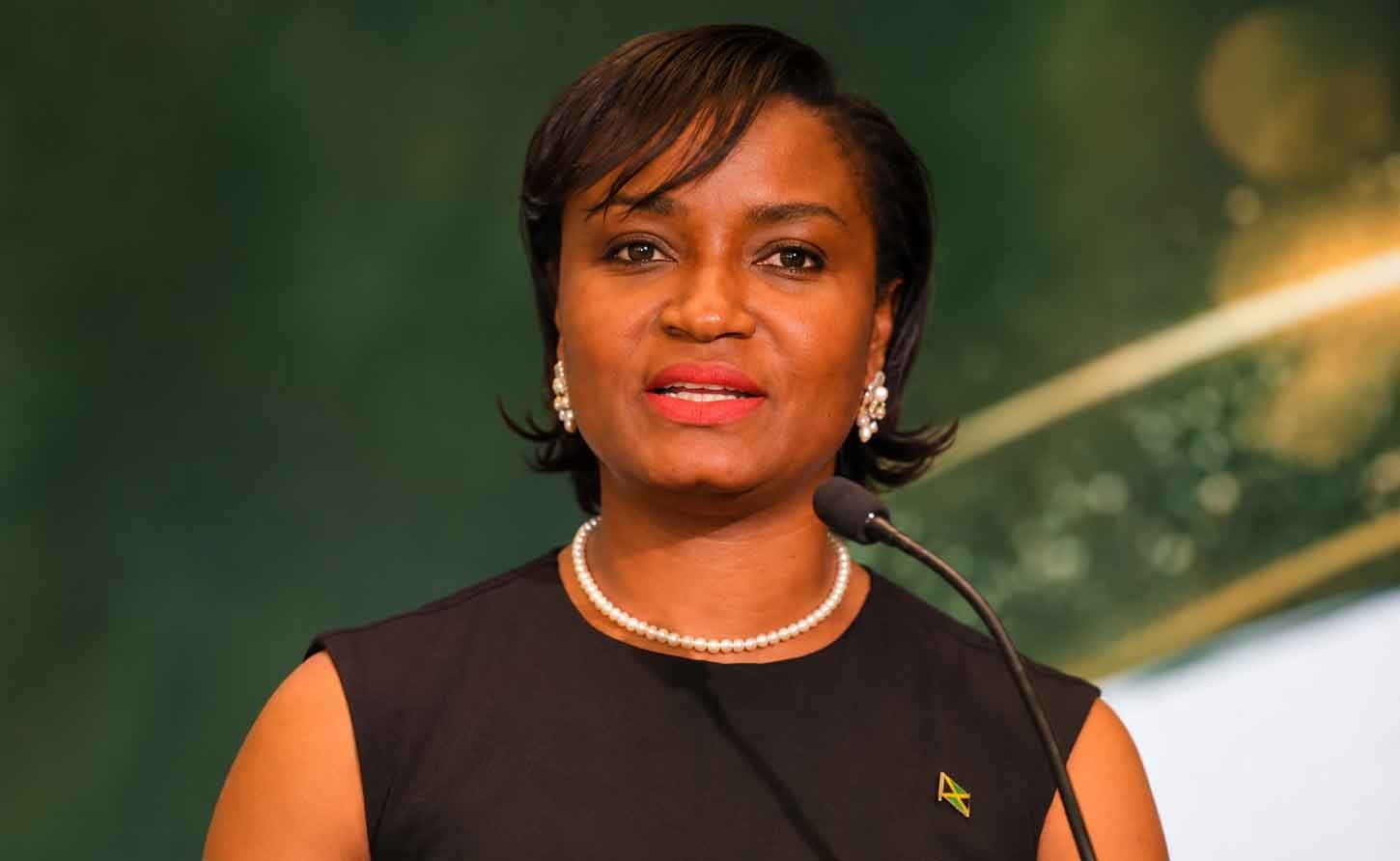
Minister Counsellor for Trade and Investment at the Embassy of Jamaica in Washington, D.C., Monalee Gibbs, delivers remarks at the Judith Bowen S.T.O.P. Foundation's benefit gala on Saturday, November 21, at the Museum of the Bible in Washington, D.C. Photo: Derrick Scott.
At a Washington benefit gala, Jamaican diplomat Monalee Gibbs tells the diaspora that recovery from Hurricane Melissa is not the State’s work alone. It is also won in communities, through the small acts that change a child’s future.
MONTEGO BAY, Jamaica, November 23, 2026 — Jamaica’s recovery from Hurricane Melissa will be judged not only by rebuilt roads and reopened schools, but by whether its most vulnerable children are given a real chance to succeed. That was the message Minister Counsellor Monalee Gibbs took to the Jamaican diaspora in Washington, D.C., on Saturday, November 21, at the Judith Bowen S.T.O.P. Foundation’s benefit gala.
Speaking at the Museum of the Bible, Gibbs, who heads the Trade and Investment Desk at the Embassy of Jamaica, said the evening’s theme, “From Surviving to Succeeding,” was a fitting one for a country still rebuilding 13 months after the storm.
She reminded the audience that the Category Five hurricane, which struck in October 2025, destroyed homes, schools, roads and livelihoods, and left many families struggling to start again.
Recovery beyond the national accounts
Gibbs said Jamaica was making progress, and credited the country’s economic policies, its international partnerships and the contributions of Jamaicans at home and abroad.
She thanked the Government and people of the United States for their help after the hurricane, saying almost US$25 million in aid had been provided and more than 100 relief flights had carried supplies to affected communities.
National recovery, however, was only part of her argument. Rebuilding, she said, must also take place at the community level, through compassion, volunteerism and investment in the lives of vulnerable people.
Rebuilding must also take place at the community level, through compassion, volunteerism and investment in the lives of vulnerable people.
She urged the diaspora to remain engaged in national development by investing in communities, young people and local enterprises, and said the recovery would be strengthened by continued partnership between Jamaicans at home and overseas.
A teacher and a Sunday newspaper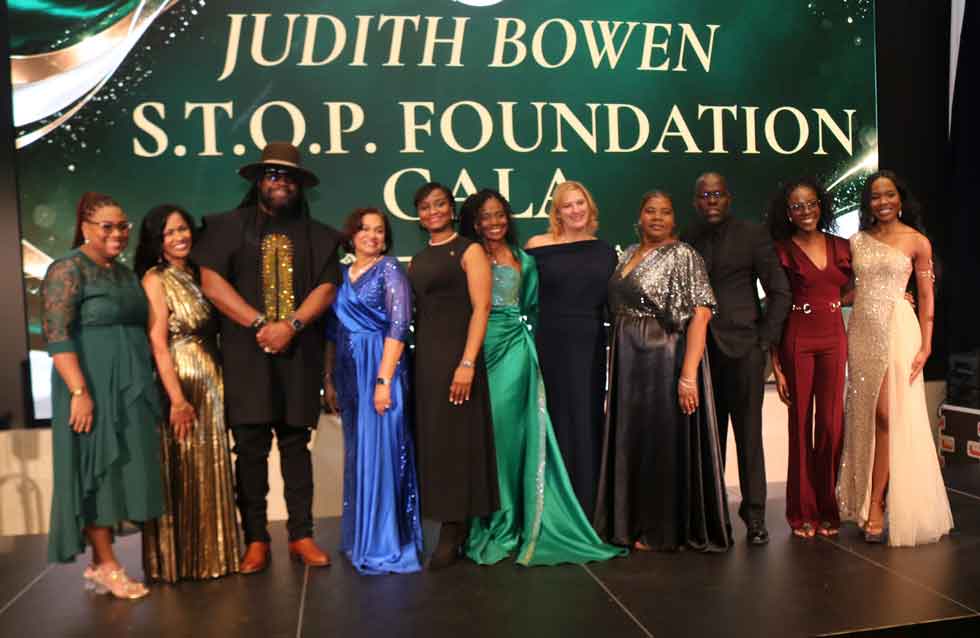 Minister Counsellor for Trade and Investment at the Embassy of Jamaica in Washington, D.C., Monalee Gibbs, seventh from right; Founder of the Judith Bowen S.T.O.P. Foundation, Judith Bowen, sixth from right, and two-time Grammy Award winner Gramps Morgan, third from left, share a photo opportunity with members of the Foundation's board at the organization's benefit gala on Saturday, November 21, at the Museum of the Bible in Washington, D.C. Photo: Derrick Scott.
The diplomat drew on her own story to make the point. During her school years in Jamaica, she said, a teacher regularly gave her copies of the Sunday newspaper.
Reading them exposed her to international affairs, diplomacy and ideas beyond her immediate surroundings, and helped to shape the path that led to her becoming a Jamaican diplomat. A simple act of kindness and encouragement, she told the gathering, can change a young person’s future.
What the Foundation has done
The Foundation, whose acronym stands for Surviving Traumas of the Past, was commended by Gibbs for the practical help it has given since it was established. She said it served more than 300 children in its first year, through a back-to-school treat in Spanish Town, St. Catherine, and the distribution of school supplies to students in Seaforth, St. Thomas.
Executive Director Gail Taylor Chance said the Spanish Town initiative alone reached more than 250 children with food, school supplies and encouragement.
Both women pointed to the Foundation’s mentorship programme, which helped a young woman from the March Pen Road community in Spanish Town to earn passes in nine CXC subjects. After Hurricane Melissa, the Foundation also rebuilt a damaged structure for a family in Trelawny, giving them a place to call home.
Taylor Chance said the work goes beyond immediate relief to helping individuals and families build confidence, gain access to opportunities and achieve lasting progress. The Foundation intends to expand its educational initiatives, strengthen its community programmes, support more families and develop partnerships that will take it into more communities across Jamaica.
Giving when resources are thin
Keynote speaker Bishop Omar Ricketts took up the theme of giving when resources are limited, drawing on the biblical account of the prophet Elijah, who was fed by ravens during a drought.
He challenged guests not to underestimate the value of their contributions, saying even modest donations could make a meaningful difference to struggling Jamaican families, and encouraged members of the diaspora to volunteer their time and travel to Jamaica to help communities in need. His central message was that tough times do not last, but tough people do.
Founder Judith Bowen spoke emotionally about her upbringing in Jamaica, where, she said, she grew up with 29 siblings and knew first-hand the challenges of limited resources. The love, faith and sacrifices of her family shaped the woman she became, she said, and inspired her to create opportunities for children and families facing difficult circumstances.
The evening also featured a performance by Grammy Award-winning reggae singer Gramps Morgan, which drew calls for more from the audience.
Gibbs commended Bowen for her leadership and determination, and thanked the donors, sponsors, volunteers and partners who have advanced the Foundation’s mission. The gala closed with a renewed call for collective action, so that more Jamaican children and families are given the opportunity not merely to survive, but to succeed.
With reporting from Derrick Scott in Washington, D.C.
— 30 —
