
JAMAICA | PNP Backs Push for National Day of Recognition for Leonard P Howell, Founder of Rastafari
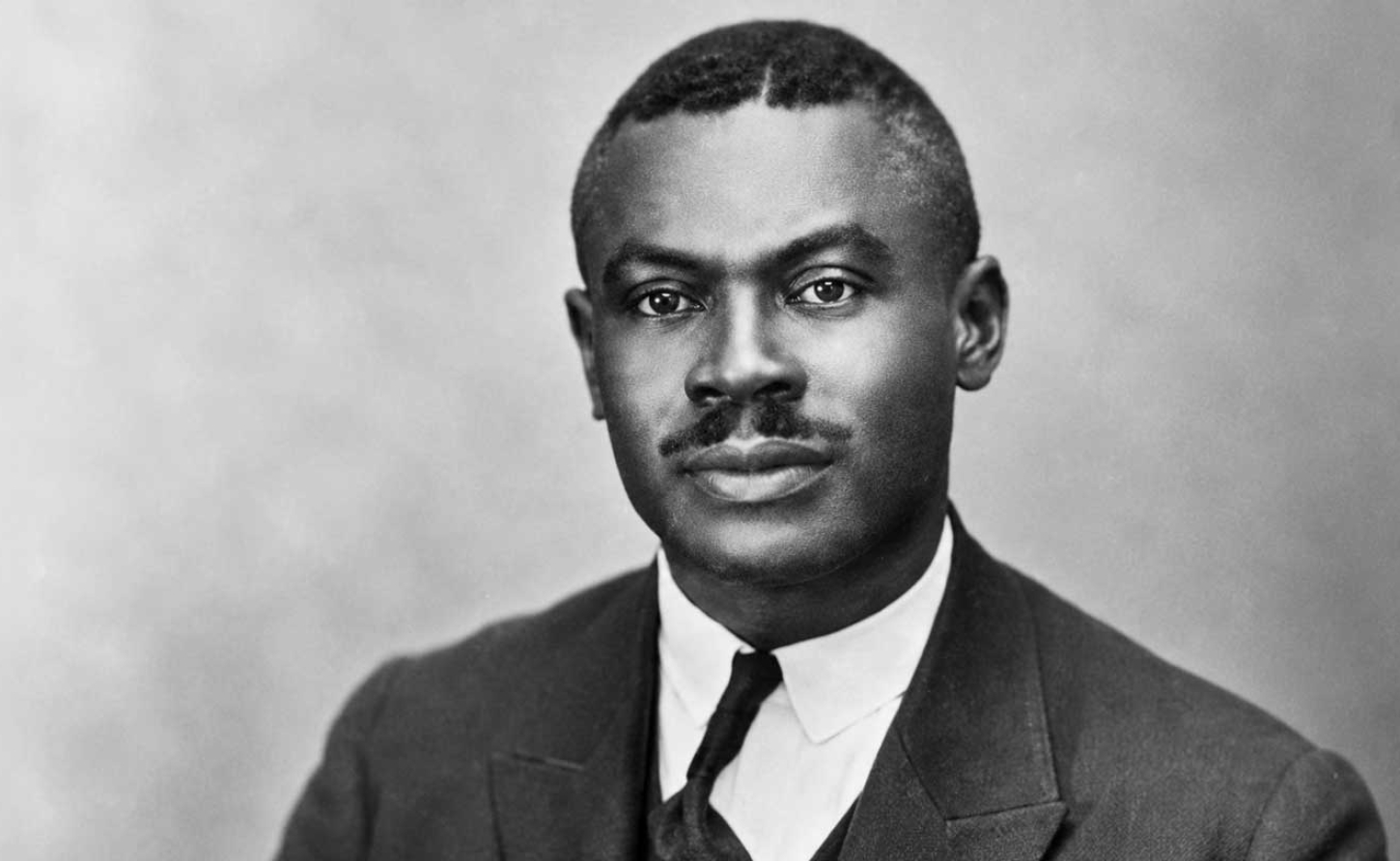
Leonard P Howell, widely regarded as the founder of the Rastafari Movement
On June 16, Leonard Percival Howell’s 128th birth anniversary, the PNP Culture and Heritage Commission is renewing a long-running campaign to have his role in founding the Rastafari Movement formally recognised by the state.
KINGSTON, Jamaica June 16, 2026 - Calvin G. Brown | Culture & Heritage |— The People’s National Party (PNP) Culture and Heritage Commission is endorsing calls for June 16 to be formally designated a National Day of Recognition for Leonard Percival Howell, the man widely regarded as the founder of the Rastafari Movement, on what marks his 128th birth anniversary.
In a statement released Monday, Commission Chairman IB Konteh described the push as a matter of “historical justice,” noting that, apart from National Hero Marcus Mosiah Garvey, few Jamaicans have inspired a homegrown spiritual and cultural movement of comparable global reach.
“Leonard P. Howell was a visionary Jamaican whose ideas challenged colonial domination and inspired generations to embrace African identity, dignity and self-determination,” Konteh said. “At a time when such views attracted persecution and repression, he stood firmly in defence of the humanity and worth of Black people.”
From Clarendon to Pinnacle
Howell was born on June 16, 1898, in the Bull Head Mountain district of Clarendon, the eldest of ten children to a peasant cultivator father and an agricultural-labourer mother. As a young man he travelled through Panama and New York, where he crossed paths with fellow Jamaican Marcus Garvey and the Universal Negro Improvement Association.
He returned to Jamaica in 1932 preaching that the newly crowned Ethiopian Emperor Haile Selassie I was a divine figure, and in 1937 formalised his teachings through the Ethiopian Salvation Society. The doctrine, blending anti-colonial politics with a radical reworking of Christian theology, marked the foundational stirrings of what would become Rastafari.
A Movement Born Under Siege
The colonial administration’s response was swift and punitive. Howell was convicted of sedition in 1934 and imprisoned for his preaching against the Crown. Undeterred upon his release, he established Pinnacle in Sligoville, St Catherine, in 1940 — Jamaica’s first Rastafari commune, a self-sufficient settlement that at various points housed close to a thousand residents.
Pinnacle was raided repeatedly by colonial and, later, Jamaican police, and was finally razed in May 1954. Howell was subsequently committed to a Kingston mental institution. He died in 1981, months after suffering a violent attack near the original Pinnacle site.
A Slow Reckoning
For decades, Howell’s role in founding what is now a global faith with millions of adherents went largely unmarked by the same state that once persecuted him. That began to shift in 2022, when the Jamaican government posthumously conferred on him the Order of Distinction, the country’s fifth-highest national honour — a turn historians and Howell’s own descendants have called overdue, while continuing to press for full National Hero status and the formal designation of Pinnacle as a national heritage site.
Konteh said a National Day of Recognition, while distinct from a public holiday, would help cement Howell’s place in the country’s collective memory.
“It is not simply about acknowledging one man; it is about recognising a movement, a legacy and a chapter of Jamaican history that continues to inspire millions globally.”— IB Konteh, Chair, PNP Culture and Heritage Commission.
Howell’s own family has long pushed for that recognition to go further. The Howell Foundation, led by his son Monty Howell, has for years lobbied successive administrations for full National Hero status and for Pinnacle to be developed as a national heritage site, arguing that the settlement’s destruction erased a chapter of Jamaican history that deserves preserving rather than forgetting.
The movement Howell started has since grown into a global faith claiming several million adherents across Africa, Europe, North America and the wider Caribbean — a reach the Commission noted exceeds Jamaica’s own population. Its philosophy of African identity and liberation, carried internationally through reggae music and figures such as Bob Marley, is now counted among Jamaica’s most recognisable cultural exports, though Howell himself remains comparatively obscure to many Jamaicans.
The Commission is calling on the Government, cultural institutions and the wider public to support the designation, arguing that it would create space to educate future generations about Howell’s contribution to anti-colonial thought, Pan-African consciousness and Jamaica’s cultural development.
— 30 —
