
JAMAICA |The Man Who Made Jamaica Believe: Stephen ‘Franno’ Francis Dies at 64
JAMAICA |The Man Who Made Jamaica Believe: Stephen ‘Franno’ Francis Dies at 64
Tributes flow across the political divide as the MVP Track & Field Club mourns the co-founder who proved that the world’s best sprinters could be made — and kept — at home.
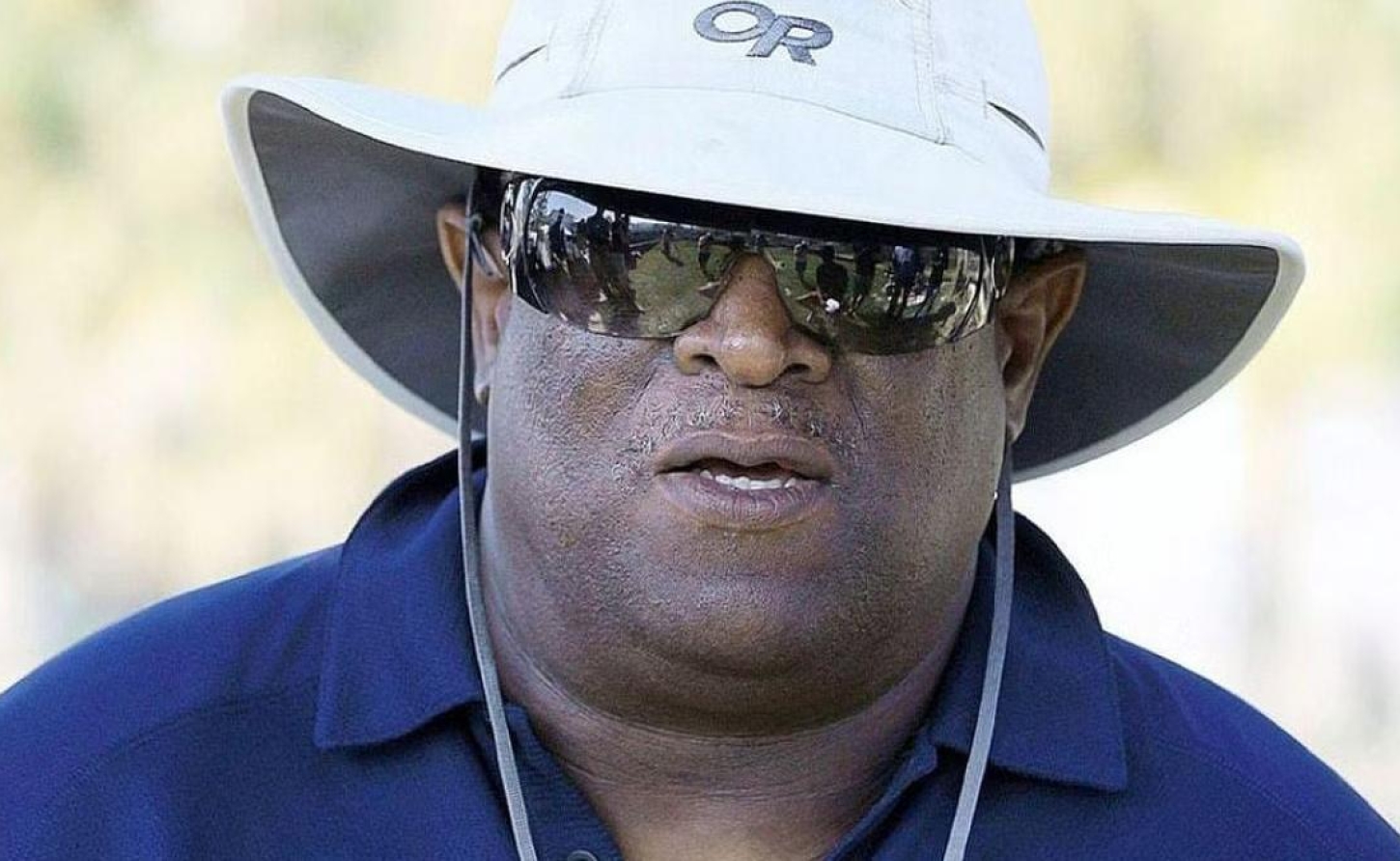
KINGSTON, Jamaica —July 5, 2026 - He never courted the spotlight, but the spotlight never stopped finding him. Vincent Stephen “Franno” Francis, the brilliant, blunt and famously uncompromising co-founder and technical director of the MVP Track & Field Club, died in hospital late Saturday — one day after celebrating his 64th birthday — and Jamaica awoke Sunday to the sobering reality that one of the principal architects of its athletic empire is gone.
Francis had been battling illness in recent months, and the club confirmed only last week, after mounting public speculation, that he was under the care of a medical team. The end came quietly. The grief did not.
In a statement on Sunday, MVP hailed its fallen leader as a visionary whose unwavering commitment to excellence transformed the landscape of Jamaican athletics and inspired generations. His rare gift for identifying raw talent and forging it into gold, the club said, shaped the careers of Olympic and World Championship medal winners and world-record breakers, while setting a standard of coaching that commanded respect the world over.
The Revolution of 1999
When Francis abandoned a career in finance to co-found MVP in September 1999, the conventional wisdom held that Jamaica’s finest had to flee to American colleges to become world-class. Franno called that bluff — and spent a quarter-century proving it wrong.
From his base at the University of Technology, he took the unheralded and the overlooked and turned them into legends: Asafa Powell, Shelly-Ann Fraser-Pryce, Elaine Thompson-Herah, Shericka Jackson, Brigitte Foster-Hylton, Melaine Walker and, more recently, Olympic silver medallist Kishane Thompson, among dozens of others. In 2017, a grateful nation conferred on him the Order of Jamaica.
“He proved that Jamaican athletes, guided by Jamaican coaches, supported by Jamaican management, and training in Jamaica, could become the very best in the world.”— Bruce James, President, MVP Track & Field Club
“Stephen Francis changed the trajectory of Jamaican athletics for the better,” James said. “His vision, uncompromising pursuit of excellence, and belief in the potential of our athletes transformed not only countless individual careers, but also the standing of Jamaican athletics on the global stage. His legacy will endure for generations.”
A Nation United in Grief
In a country where little escapes the tug of partisan politics, Francis achieved in death what he so often achieved in life: unity. Tributes poured in from both sides of Gordon House.
Opposition Spokesperson on Sport, Wavell Hinds, said the country had lost one of the principal architects of Jamaica’s rise in international athletics. “Coach Stephen Francis leaves behind a legacy that few can match,” the People’s National Party spokesman said.
“His commitment to excellence, his relentless pursuit of high standards, and his confidence in Jamaican talent transformed not only individual athletes but the entire landscape of track and field in our country.” Hinds added that Francis’ passing was a reminder of the invaluable role coaches play in national development, their influence extending into character building, mentorship and community leadership.
From the governing Jamaica Labour Party, Communication Taskforce Chairman Senator Abka Fitz-Henley was equally unstinting. “Stephen Francis was astute and diligent at his craft. His success brought major pride and joy to us collectively as a nation,” he said, noting that Francis was “unique in his ability to consistently bring previously unheralded athletes to international acclaim.”
Fitz-Henley acknowledged that, like many greats, Francis was a complex man — but one whose commitment to Jamaica was beyond doubt, and who understood that sport could overcome the barriers of partisanship. “The words icon and legend are oftentimes misapplied,” the senator said. “However, there can be no doubt that they are applicable to Stephen Francis.”
The Standard He Leaves Behind
Beyond the medals and the records, MVP said, Franno will be remembered for his direct, open and honest way of speaking his mind, his incisive intellect, and the profound imprint he left on the lives of those he coached. The club extended condolences to his brother, Paul Francis, and other family members, and said funeral arrangements and details of a thanksgiving service will be announced in due course.
“His legacy lives on not only in medals won and records broken,” the club said, “but also in the enduring belief that Jamaica could develop the world’s finest athletes right here at home.” That belief — audacious in 1999, gospel today — may prove the most enduring monument of all.
One record, famously, does not belong to him. Franno never coached Usain Bolt — and by his own account, never wanted to. Francis publicly revealed that he turned down the opportunity to coach the sprinter, explaining that his philosophy was built on taking unheralded athletes and developing them into champions, rather than working with an athlete who was already a phenom.
Bolt, discovered by his high school cricket coach and guided early on by Pablo McNeil at William Knibb Memorial, would reach his historic, record-breaking heights under the legendary Glen Mills at Racers Track Club — MVP’s great rival.
That one small island could produce two coaching titans of such stature, in the same era, may be the final measure of the world Stephen Francis helped create.
— 30 —
