
AFRICA | Africa’s Minerals, Africa’s Terms: The New Scramble for Uranium, Cobalt and Rare Earths
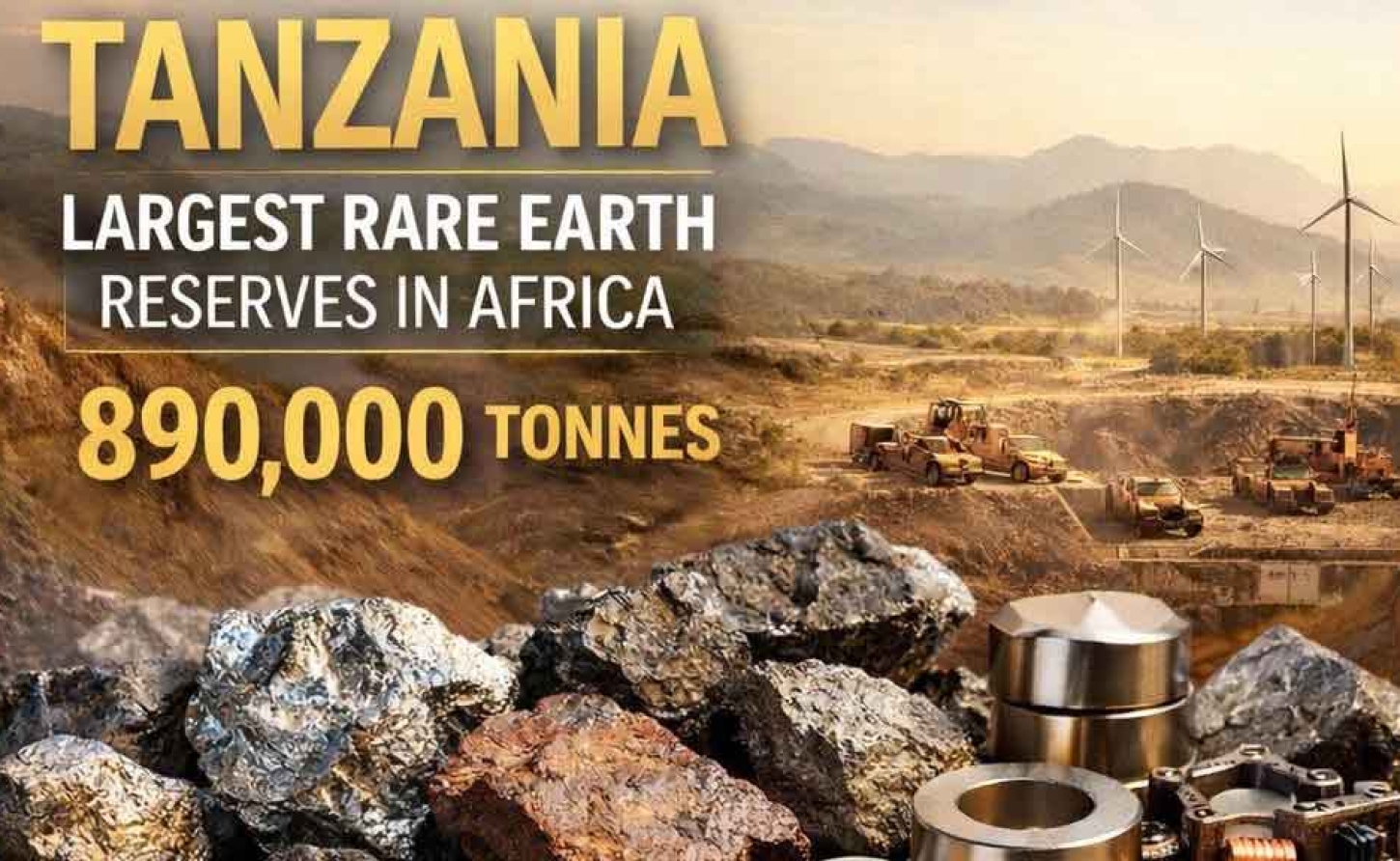
AFRICA | Africa’s Minerals, Africa’s Terms: The New Scramble for Uranium, Cobalt and Rare Earths
A thousand tonnes of contested uranium sitting in a Niamey compound has half the world bidding. Africa’s leverage over the minerals of the century is real — but Jamaica learned in 1974 that a better price and a better economy are not the same thing.
MONTEGO BAY, Jamaica, Calvin G. Brown, January 11, 2026 - There are roughly 1,000 tonnes of uranium concentrate — yellowcake, in the trade — stacked in a compound near Niamey airport, and a queue of buyers has formed around it.
Romania’s state nuclear utility, Nuclearelectrica, wants 300 tonnes of it — a parcel worth some US$57 million at prevailing rates, rather less if Niamey discounts. Russia’s Rosatom has circled the same stockpile.
Orano, the French state-owned giant that mined the ore before Niger’s military authorities pushed it out, insists the material remains legally its own. In September 2025 an ICSID tribunal in Washington ordered Niger not to sell or move it. Two months later, uranium left the Arlit mine anyway.
That single compound is a fair scale model of the continental picture: enormous value, contested ownership, and a queue of suitors who need Africa rather more than they are accustomed to admitting.
The leverage is real
For the first time since independence, the arithmetic favours the seller. Uranium’s long-term contract price has climbed to around US$90 a pound, its highest since 2008, driven by reactor construction across Asia, plant life-extensions in Europe and North America, and the ravenous power appetite of artificial-intelligence data centres.
The Democratic Republic of Congo sits atop some 70 per cent of known global cobalt reserves. Namibia is now the world’s third-largest uranium producer. African lithium output rose 44 per cent in 2025 alone.
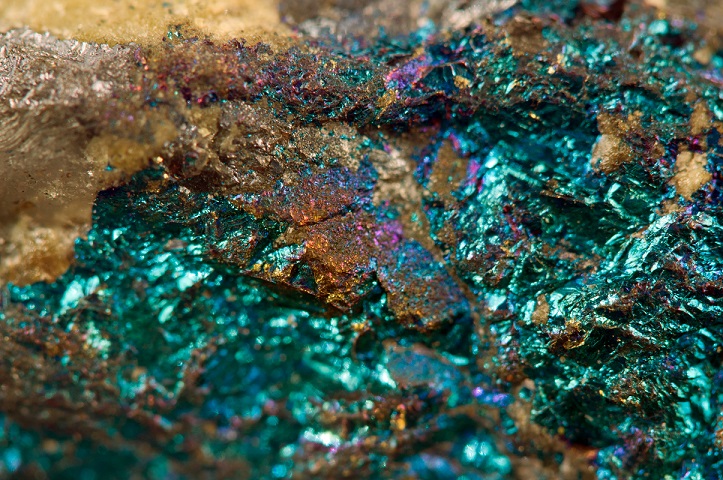
Botswana, through Canadian mineral exploration firm Tsodilo Resources Limited, has discovered significant rare earth and critical mineral deposits, strengthening its position within the fast-evolving global race for strategic resources.
Kinshasa swapped its cobalt export ban for quotas that hold 2026 shipments below half of 2024 output — and the International Energy Agency now treats that quota as the swing variable in the entire global cobalt market. Niger nationalised Somaïr outright in June 2025 and announced it would sell the production itself.
Half a century after Kwame Nkrumah warned that political independence without economic control is a hollow prize, African states are testing whether the second half of the bargain can finally be claimed.
Leverage is not the same as value
The counter-evidence is sobering. Niger’s uranium may now be sovereign, but it is also stranded — encumbered by arbitration, refused transit by nervous neighbours, and priced at a discount precisely because any buyer must weigh the cost of Orano’s lawyers. Sovereignty exercised without legal cover is a haircut, not a windfall.
Nor is the buyers’ side idle. In February 2026 Washington convened its first Critical Minerals Ministerial, gathering more than fifty countries to announce a preferential trading bloc and coordinated price floors — a cartel of consumers, assembled rather faster than any cartel of producers.
The DRC’s own strategic partnership with the United States was negotiated while M23 fighters held Goma: a state bargaining over its geology under military duress, through a process Congolese lawyers have since challenged before their Constitutional Court as opaque.
And roughly 90 per cent of the world’s refining capacity for these minerals still sits in China. An export ban redirects ore; it does not conjure a smelter, and smelters demand power and water that Zimbabwe’s grid and Malawi’s treasury cannot yet supply.
 Uranium Mining : Africa is a major global supplier of uranium, led by key producers like Namibia and Niger, which together with South Africa account for a substantial share of the world's annual output.Jamaica has been here before
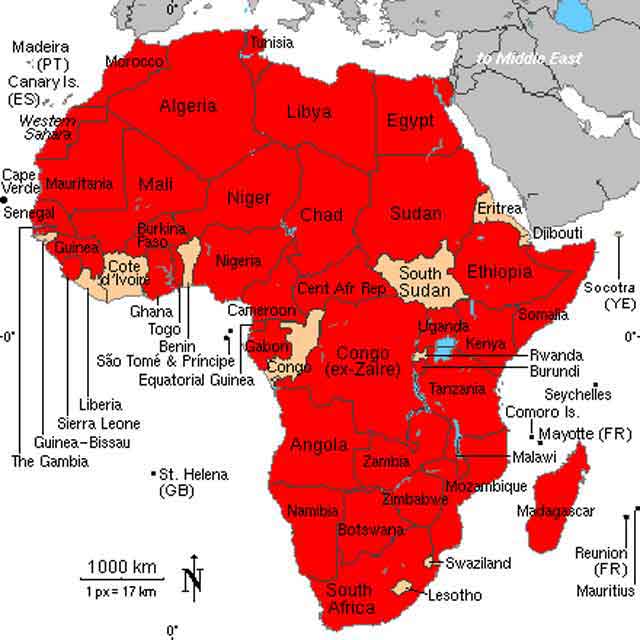
Uranium Mining : Africa is a major global supplier of uranium, led by key producers like Namibia and Niger, which together with South Africa account for a substantial share of the world's annual output.
Caribbean readers should recognise every beat of this story, because we lived it first.
In May 1974 Michael Manley repealed the standing bauxite agreements and imposed a production levy pegged to the price of aluminium ingot. Revenue leapt from about US$25 million to roughly US$180 million in a single year, and it paid for free tertiary education.
That same year Jamaica joined Guyana, Suriname, Guinea, Sierra Leone and Ghana in founding the International Bauxite Association in Conakry — an OPEC of the red earth.
“Rent extracted is not capacity built. A levy is a claim on the last century’s value chain; a refinery is a claim on the next one.”
It did not hold. Jamaican ore went from the world’s cheapest to its dearest; the companies expanded in Australia and Guinea instead; production slid away from its 15-million-tonne peak. The levy that once funded a nation’s schooling now stands at roughly fifteen US cents a tonne. The aluminium smelter never came.
The lesson is not that Manley was wrong. He was right, and the levy remains the most consequential act of resource nationalism in Caribbean history. The lesson is narrower and harder: rent extracted is not capacity built.
What winning would actually look like
The African Union’s Green Minerals Strategy, adopted in February 2025, at least names the problem correctly: value addition at source, harmonised terms, and collective bargaining rather than fifty-odd separate negotiations against the same three buyers.
Implementation remains embryonic. But Zimbabwe commissioned Africa’s first lithium refinery in the first half of 2026 — and that single plant is worth more, strategically, than any yellowcake sale.
The honest verdict is that Africa has won the argument and not yet won the industry. Whether the new revenue becomes refineries, transmission lines and engineers — or evaporates into a decade of good budgets and a familiar slump — is a governance question, not a geological one.
For CARICOM, with Guyana’s oil, Jamaica’s bauxite and the rare earths still sitting unclaimed in our red mud, the African test is our test. The scramble has returned with better manners and a shorter memory. Whether it ends differently this time depends on a single choice the resource-rich keep deferring: to negotiate as a bloc, or to keep going in one by one.
— 30 —
