
DIASPORA | Atlanta’s JCJ Is Filling Jamaica’s Dental Gap. The State Must Close It.
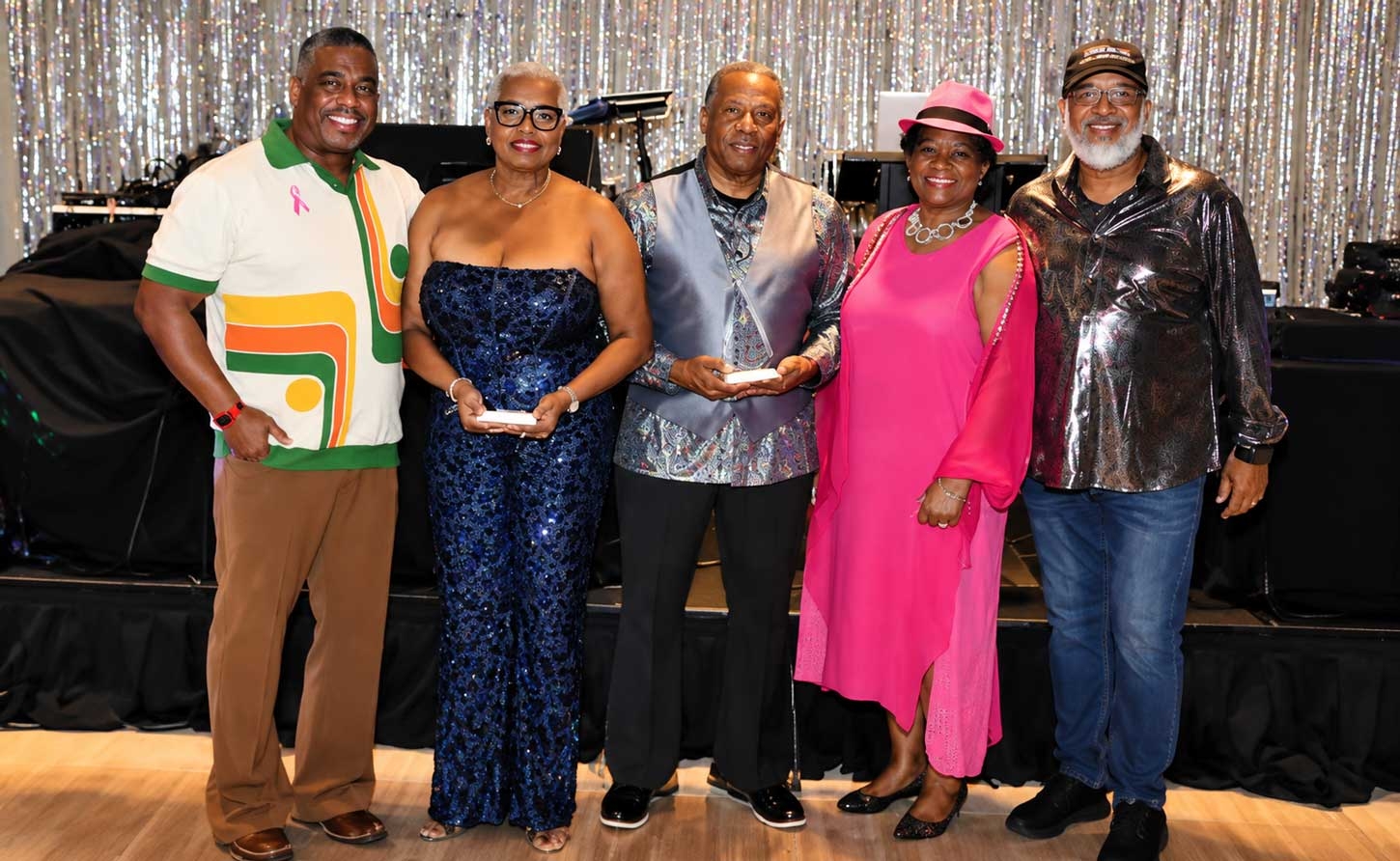
Jamaica’s Honorary Consul to Atlanta, Dr. Elaine Bryan (second right), shares a light moment with, from left, Dr. Joseph Dove, Dr. Yvonne Smith Blake, CEO of the Montego Bay-Atlanta Cities Committee, Dr. Christopher Parker, research associate professor and director of population and global health at the Georgia Health Policy Center at Georgia State University, and JCJ President Junior Taylor at the organization’s annual fundraising event, All Schools Jamm, held at the Atlanta Marriott Marquis on Saturday, Oct. 10. Smith Blake and Parker received JCJ’s Contribution to the Culture Award. (Derrick Scott photo)
A 1970s-themed party in Atlanta is funding dental care in rural Jamaica — and quietly exposing how far public oral health care still has to travel.
MONTEGO BAY, Jamaica, October 14, 2026 - On Saturday night, October 10, the ballroom of the Atlanta Marriott Marquis throbbed to “Disco Inferno.” Jamaicans in Afro-inspired outfits and retro fashions danced into Sunday morning. It looked like nostalgia. It was, in fact, a health budget.
Every ticket sold at All Schools Jamm, the annual fundraiser of Jamaicans Caring for Jamaicans (JCJ), led by president Junior Taylor, becomes treatment, pain relief and preventive education for people in St Elizabeth, Hanover, St James and Trelawny. Over ten years, the Atlanta-based charity says its missions have delivered more than J$50 million in dental services and supplies. Its July 2026 mission in Montego Bay alone treated more than 450 patients — care valued at roughly J$4 million.
"Jamaicans Caring For Jamaicans are guided by our mission, ' To improve the health, dignity, and quality of life of underserved communities in rural Jamaica by providing compassionate, accessible and essential dental care to those most in need, " Taylor Told Wiredja.
Taylor believes that JCJ has been given a platform to assist our fellow Jamaicans who are not readily able to access or afford primary dental care. "Our fundraising efforts assist in executing the dental Missions on an annual basis and over the last decade have made thousands of Jamaicans smile with pride," he said
Two Jamaicans recognized for their contributions to community development and service were honored by Jamaicans Caring for Jamaicans (JCJ) as it raised funds to support its dental missions to Jamaica.
Dr. Christopher Parker, research associate professor and director of population and global health at the Georgia Health Policy Center at Georgia State University’s Andrew Young School of Policy Studies, and vice president of Atlanta-based Integrity Children’s Fund, and Dr. Yvonne Smith Blake, CEO of the Montego Bay-Atlanta Cities Committee, received the organization’s Contribution to the Culture Award in recognition of their contributions and continued service.
A shortage measured in mouths
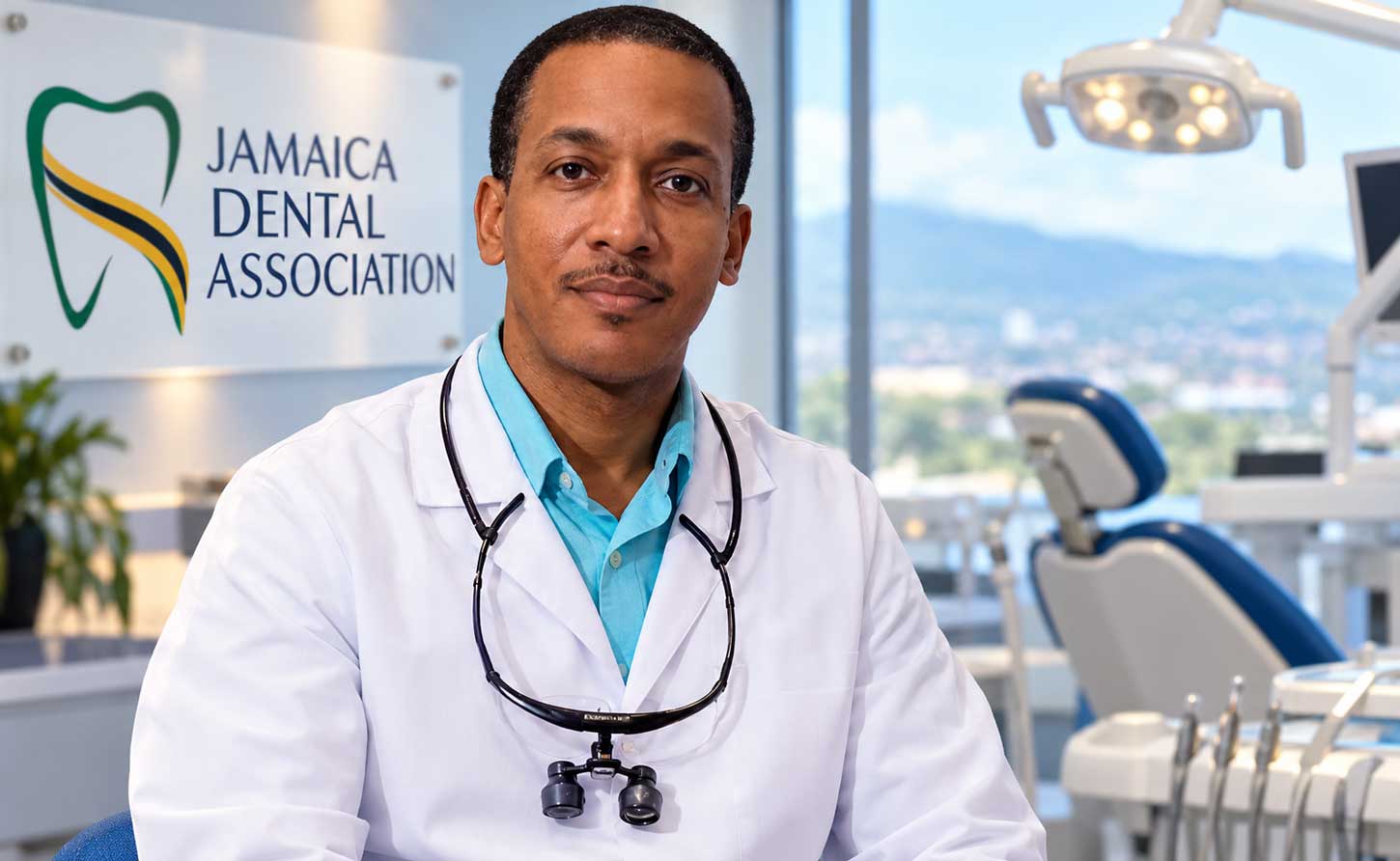
President of the Jamaica Dental Association Dr. Shaka Cooke
Five years later, at the Jamaica Dental Association’s 60th anniversary conference, JDA president Dr Shaka Cooke and Dr Vanessa Kiffin of the Jamaica Association of Public Dental Surgeons were still lamenting under-resourced state clinics and too few posts.
The consequences land hardest in the countryside. Writing in the Observer this year, a UTech oral health lecturer noted that rural patients often delay care until decay is advanced, ending in extractions and permanent tooth loss. A free service you cannot reach is not a service. It is a promise.
Melissa widened the gap
Then came Hurricane Melissa. When the Category 5 storm struck on October 28, 2025, the parishes the Pan American Health Organization listed as worst affected — St Elizabeth, Trelawny, St James, Hanover and Westmoreland — overlapped almost exactly with JCJ’s map of service. Two weeks after landfall, PAHO reported just one of 23 health facilities open in St Elizabeth and four of 21 in St James.
In other words, communities that already depended on visiting volunteers for a dentist’s chair lost much of the public infrastructure they had. Into that vacuum, a disco in Georgia is pouring money.
The man behind the chair
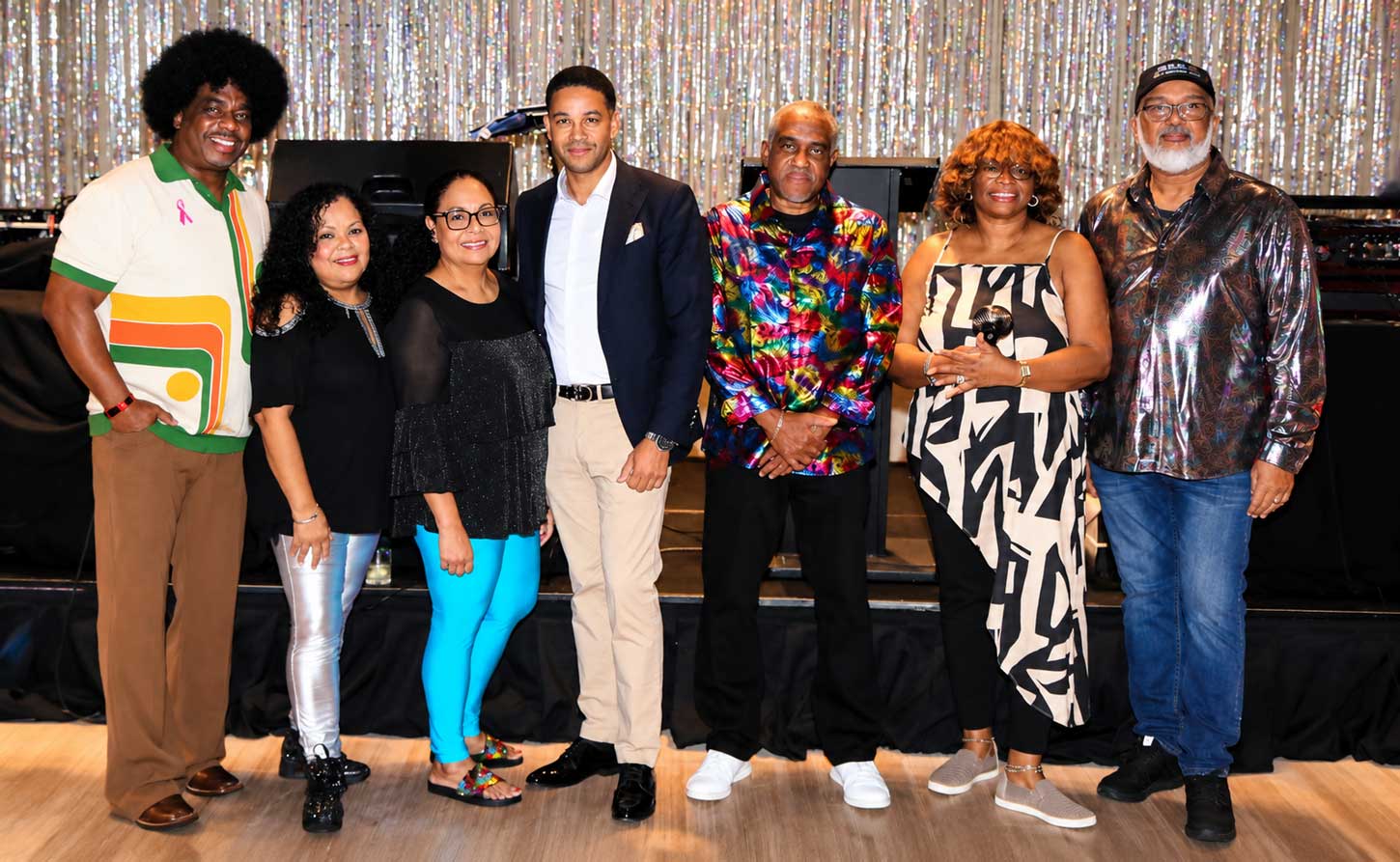
The Executive of JCJ: From left Dr. Joseph Dove, Mrs. Sophia Hew-Taylor, Avonne Hew - Secretary, Cohen Medwinter; Treasurer Orlando King; Vice President Lamoy Headad and President Junior Taylor
The turn came in 2015, when the group assisted a medical mission from Jacksonville, Florida. There Taylor met two Memphis dentists, Dr Joseph Dove and Dr Anthony Polk, who wanted to return for dental work alone. Within a year, their first dental mission in St James saw more than 500 people in two days.
When Taylor moved to Georgia in 2023 after his marriage, the work moved with him. With his wife, he gathered like-minded supporters and formalised Jamaicans Caring for Jamaicans as a US non-profit based in Duluth. His story is the diaspora’s story in miniature: the address changed; the obligation did not.
Jamaica’s honorary consul in Atlanta, Dr Elaine Bryan, framed the work as part of the diaspora’s responsibility to communities at home. Honouree Dr Yvonne Smith Blake, CEO of the Montego Bay–Atlanta Cities Committee, put it plainly:
“True service is not measured by what we say, but by what we are willing to do.”
Apply that test to policy, and the conversation gets uncomfortable. Missions are episodic by nature. A patient seen in July may wait a year for the next chair. Preventive education helps, but it cannot substitute for a resident dentist, a functioning clinic and a referral pathway. Charity can relieve pain; it cannot build a system.
To be fair, the state has not stood still. Public training of dental surgeons began only in 2010, and the Ministry said in 2019 it was employing more dental personnel. But the gap between need and supply has been documented for years, and Melissa has made it wider.
Partnership with teeth
The sensible consensus is neither “let the diaspora handle it” nor “charity is a crutch.” It is partnership with teeth. The Ministry of Health and Wellness and the Western and Southern Regional Health Authorities could formally fold diaspora missions into post-Melissa rebuilding — scheduling them where clinics remain closed, logging patients into public records for follow-up, and pairing visiting teams with Jamaican dental graduates who might stay.
Diaspora Jamaicans have shown they will dance until dawn to fill the gap. The question for Kingston is whether it treats that generosity as a gift to build on — or a stopgap it is content to lean on indefinitely.
Taylor and his volunteers have pledged to keep going, one community at a time. The people of rural Hanover and St Elizabeth deserve that — and more. They deserve a dentist who stays.
— 30 —
