BRITISH VIRGIN ISLANDS | Decolonizing the Future: The British Virgin Island’s Push for Freedom from Britain
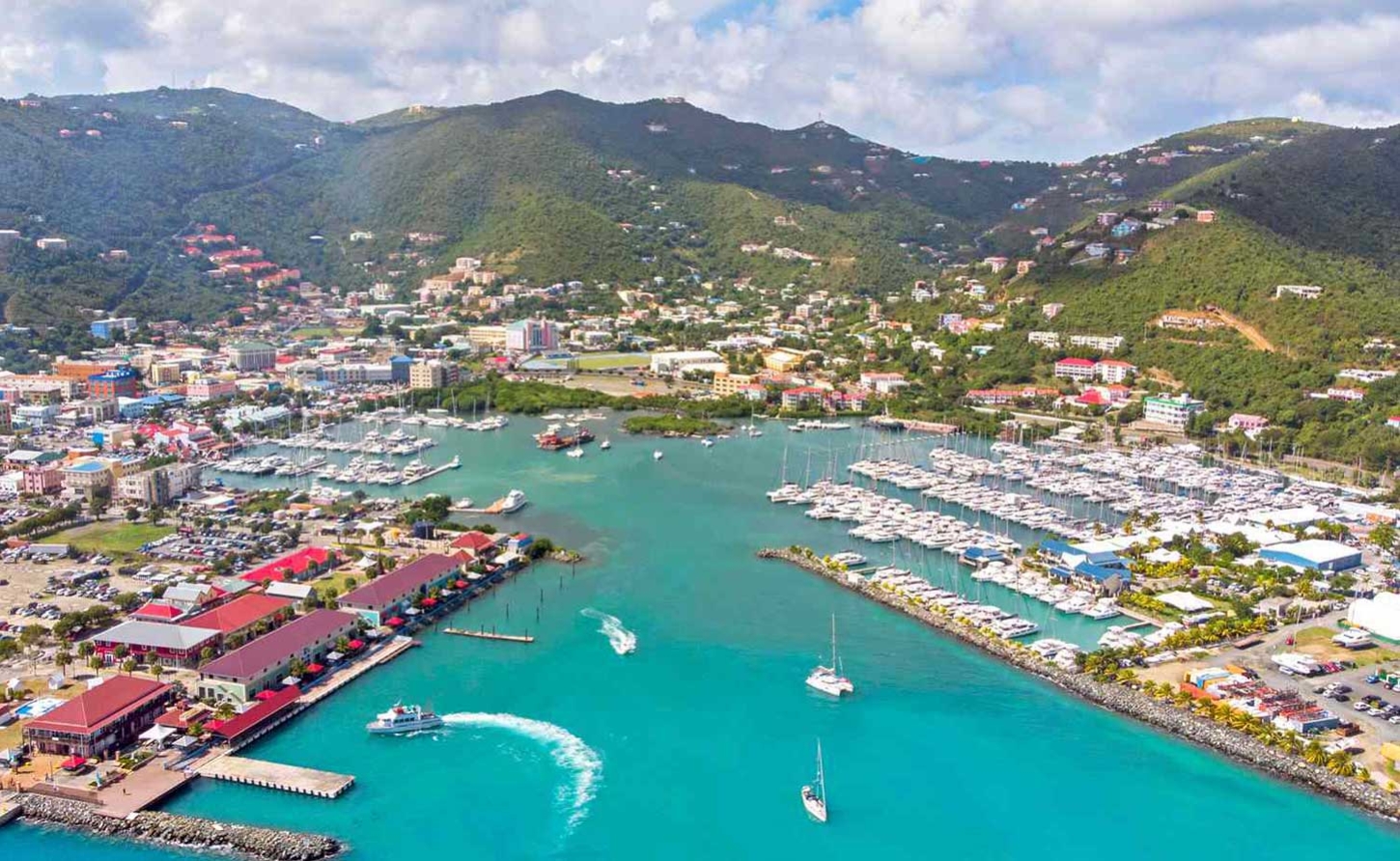
BRITISH VIRGIN ISLANDS | Decolonizing the Future: The British Virgin Island’s Push for Freedom from Britain
ROAD TOWN, British Virgin Islands – February 7, 2025 - In a move that could redefine the future of the British Virgin Islands (BVI), a United Nations Visiting Mission has laid out a bold roadmap for the territory’s self-determination and independence from Britain. The findings, presented in a recently released UN report, emphasize the need for constitutional reform, economic sustainability, and increased public education on decolonization.
The mission, which visited Tortola and Virgin Gorda from August 26–27, 2024, engaged with government officials, opposition members, statutory boards, and civil society representatives, capturing the pulse of a people growing increasingly dissatisfied with their colonial status.
"The principle of self-determination, as enshrined in the Charter of the United Nations, is fundamental in enabling the Territory to choose its path and governance."
The Road to Independence: Key Recommendations
The UN report identifies several critical steps for BVI to achieve independence, while warning that significant groundwork is still required. These include:
1. National Education Programme on Self-Determination
The biggest hurdle to independence is a lack of public awareness about what self-governance entails. The UN recommends launching a national education campaign, with support from both the UK and UN, to clarify the implications of independence and ensure informed decision-making.
"Many people remain uncertain about what independence means, leading to confusion and misinformation. A structured public education initiative must be the first step."
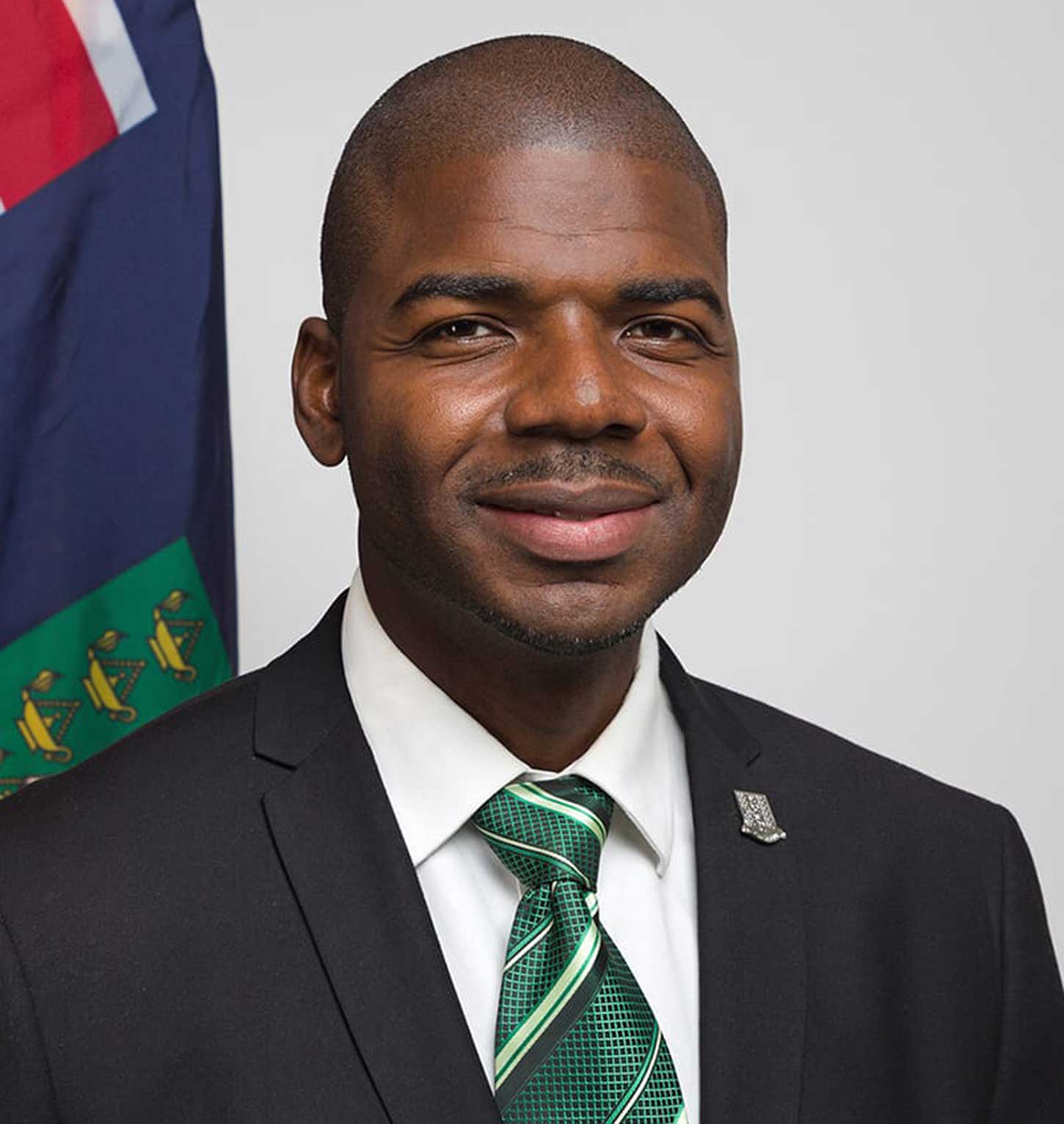 British Virgin Islands Premier Dr. Natalio D. Wheatley2. Establishing an Independence Timetable
British Virgin Islands Premier Dr. Natalio D. Wheatley
The BVI Government must set a clear, phased timeline for achieving full sovereignty. The report proposes an interim period where BVI would gain increased self-governance powers, followed by an eventual move to full independence.
3. Engaging in Formal Talks with the UK
To avoid political deadlock, the UN suggests initiating structured negotiations with Britain, possibly with a UN-appointed arbitrator to mediate discussions. These talks should focus on:
- Economic autonomy and financial stability
- Legislative and governance transitions
- The UK’s role in supporting the process
4. Strengthening National Institutions
Before gaining independence, BVI must bolster key institutions, including:
- A stronger judiciary to handle legal matters independently
- Security forces to manage law enforcement without UK intervention
- Economic planning bodies to ensure a stable transition
5. Conducting a Referendum on Independence
While there is increasing public support for breaking away from Britain, the UN recommends conducting a referendum to formally gauge public opinion after an extensive education campaign.
Economic Readiness: A Key Factor
BVI’s financial independence is a major argument for sovereignty. The report highlights that the territory has been self-financing since 1978 and generates over two-thirds of its budget from financial services.
However, Britain’s influence over BVI’s financial sector, especially regarding offshore banking regulations, remains a concern. The UN calls on the UK to provide greater autonomy in economic matters while the transition unfolds.
Political Friction with Britain
Throughout the mission’s meetings, officials and residents voiced growing frustration with UK interference. Concerns included:
- The Governor’s ability to override local government decisions
- The UK’s imposition of policies like same-sex marriage, which many see as a disregard for local values
- The lingering threat of direct British rule through the Order in Council
"We must move past a colonial mindset and claim our future. The time for decisive action is now."
A Unique Path Forward
While some argue for an immediate break from Britain, others advocate for a carefully managed transition. The UN stresses the importance of collaboration, urging the UK, the BVI government, and international partners like CARICOM and the OECS to work together.
What’s Next?
The BVI government is now expected to review the UN recommendations and develop an official independence strategy. With Britain’s colonial rule over the islands dating back to 1672, the coming months could mark one of the most pivotal moments in the BVI’s history.
"We must determine our own destiny. The future of the BVI belongs to its people, not London."
As discussions continue, all eyes are now on the next steps towards a free and self-governing British Virgin Islands. Whether the territory moves toward full sovereignty or a new form of governance, the path forward will be determined by the will of its people.
The UN has also suggested that another visiting mission be scheduled before the end of the transition period, to assess progress and ensure the necessary steps are being followed.
With momentum growing, the call for independence in the British Virgin Islands is louder than ever. The question now remains: Will Britain allow the territory to chart its own course, or will it hold on to one of its last Caribbean dependencies?
