CARICOM | Empty Gestures or Genuine Solidarity: What CARICOM-CUBA Day Means in 2025
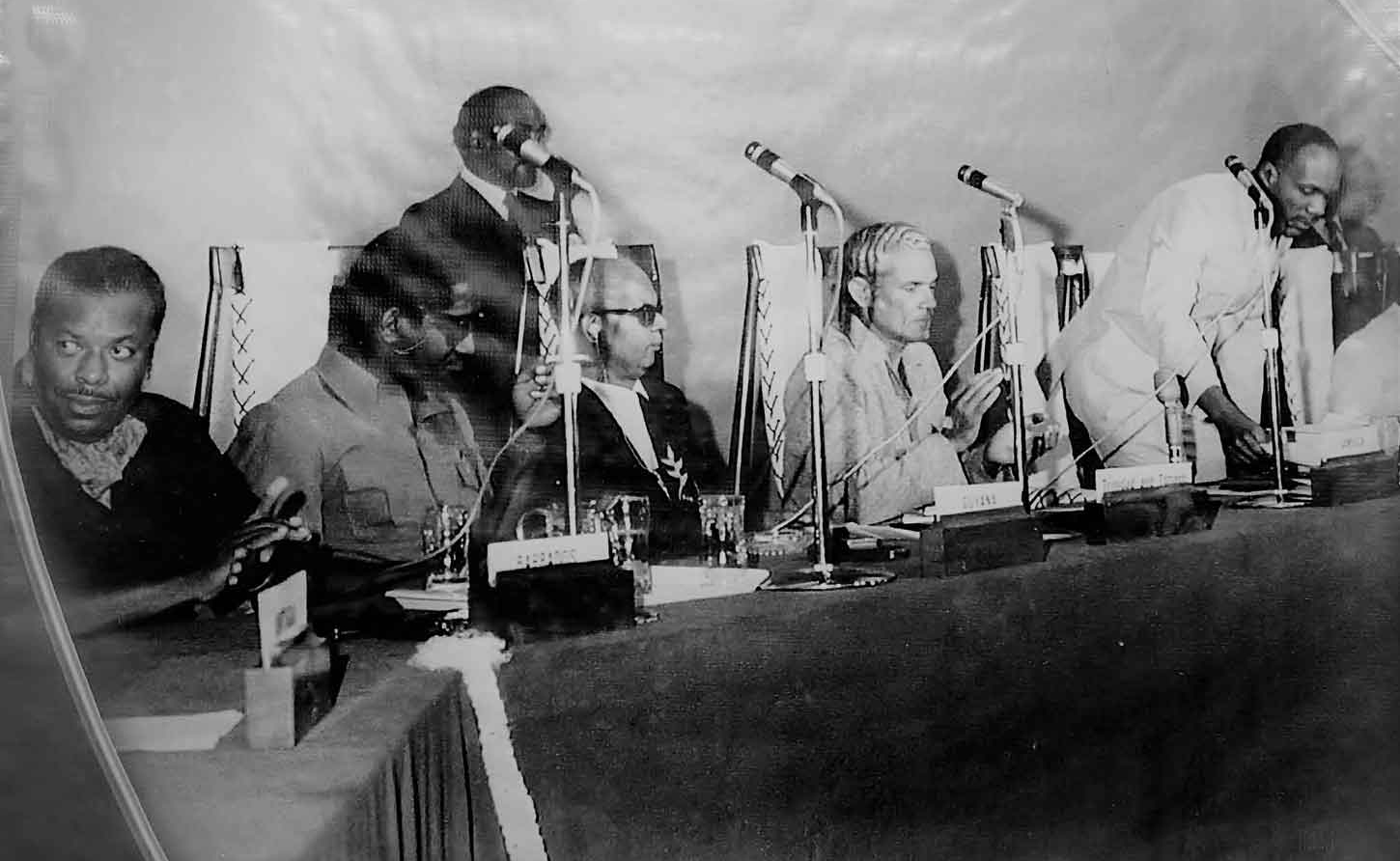
Prime Ministers Errol Barrow of Barbados, President Forbes Burnham of Guyana, Prime Minister Eric Williams of Trinidad and Tobago and Prime Minister Michael Manley of Jamaica, gathered at Chaguaramas and told the United States and the Organization of American States exactly where they could file their Cuba embargo.
As the Caribbean commemorates 53 years of diplomatic courage, Jamaica's refusal of Cuban medical help exposes the hollowness of anniversary celebrations
On December 8, 2025, Barbados will mark CARICOM-CUBA Day by highlighting concrete support for Cuba's recovery from Hurricane Melissa—medical supplies, reconstruction assistance, and the kind of practical solidarity that carries weight beyond diplomatic niceties.
Just 1,800 kilometers away, in the flooded communities of western Jamaica, a very different story unfolds. There, marooned residents battle a deadly leptospirosis outbreak with overstretched health facilities and mounting death tolls, while their government commemorates a day celebrating Caribbean-Cuban unity without inviting the very medical assistance Cuba stands ready to provide.
The irony is bitter enough to choke on.
When Caribbean Leaders Had Spines
Fifty-three years ago, four Caribbean leaders performed an act of diplomatic courage that still reverberates. On December 8, 1972, Prime Ministers Errol Barrow of Barbados, Michael Manley of Jamaica, Eric Williams of Trinidad and Tobago, and Forbes Burnham of Guyana gathered at Chaguaramas and told the United States and the Organization of American States exactly where they could file their Cuba embargo.
These newly independent nations—Jamaica had been free from British rule for barely a decade—extended diplomatic recognition to revolutionary Cuba despite Washington's threats and the OAS's isolation campaign.
"Friends of all and Satellites of None"—that was the principle they asserted. Not neutrality, but sovereignty. Not isolation, but the right to determine their own partnerships based on mutual respect rather than great power diktat.
It was an act of "speaking truth to power," as Barbados's CARICOM Ambassador David Comissiong recently described it. But it was more than rhetorical courage. These leaders understood that sovereignty meant nothing if it didn't include the right to choose your friends, your partners, your doctors.
When Solidarity Meant Risk
Three years later, Barbados demonstrated what that solidarity actually cost. Between October and December 1975, Prime Minister Barrow quietly allowed Seawell International Airport to become a refueling station for Cuban aircraft ferrying troops to Angola.
Operation Carlota—named after a Black woman who led a slave uprising in Cuba—saw aging Bristol Britannia turboprops making 101 dangerous flights across the Atlantic. Cuban soldiers, dressed as tourists with machine guns in briefcases, were flying to defend newly independent Angola against invasion by apartheid South Africa's military.
When US Secretary of State Henry Kissinger discovered the refueling stops, he unleashed diplomatic fury on tiny Barbados. The pressure was immense—financial threats, political isolation, the full weight of American displeasure.
Yet Barbados held firm until mid-December before finally bowing to Washington's demands. For those crucial weeks, a small Caribbean nation risked everything to support Africa's liberation struggle.
That wasn't performative solidarity. That was the real thing—dangerous, costly, principled.
The Doctors Jamaica Won't Call
Fast forward to November 21, 2025. Jamaica's Health Minister Christopher Tufton stands before cameras declaring a leptospirosis outbreak across western parishes. The numbers tell a grim story: at least 14 deaths, 57 confirmed or suspected cases, with St. James recording 17 cases alone.
In Hanover—East Hanover specifically—communities remain marooned by floodwaters, struggling to access basic healthcare. Some 124 health facilities sustained damage from Hurricane Melissa. The health system is stretched beyond breaking.
International assistance has poured in: US disaster teams, the Barbados Defence Force, Spanish medical units, Project HOPE field hospitals. The Pan American Health Organization coordinated deployments. Sixteen tons of medical supplies arrived by charter flight. Everyone, it seems, rushed to help.
Everyone except Cuba's Henry Reeves Brigade—because Jamaica never asked.
Let that sink in. The same medical contingent that treated 400,000 Haitians after the 2010 earthquake and saved 76,000 lives. The brigade that fought Ebola in West Africa when wealthier nations sent only pledges.
The WHO-awarded team specifically designed for post-disaster epidemic response. The doctors who already served in Jamaica during COVID-19. They're ready, willing, and a short flight away.
And Jamaica's government, while preparing to commemorate CARICOM-CUBA Day, hasn't extended an invitation.
The vacuum left by official inaction has been filled by those who still understand what December 8, 1972 actually meant.
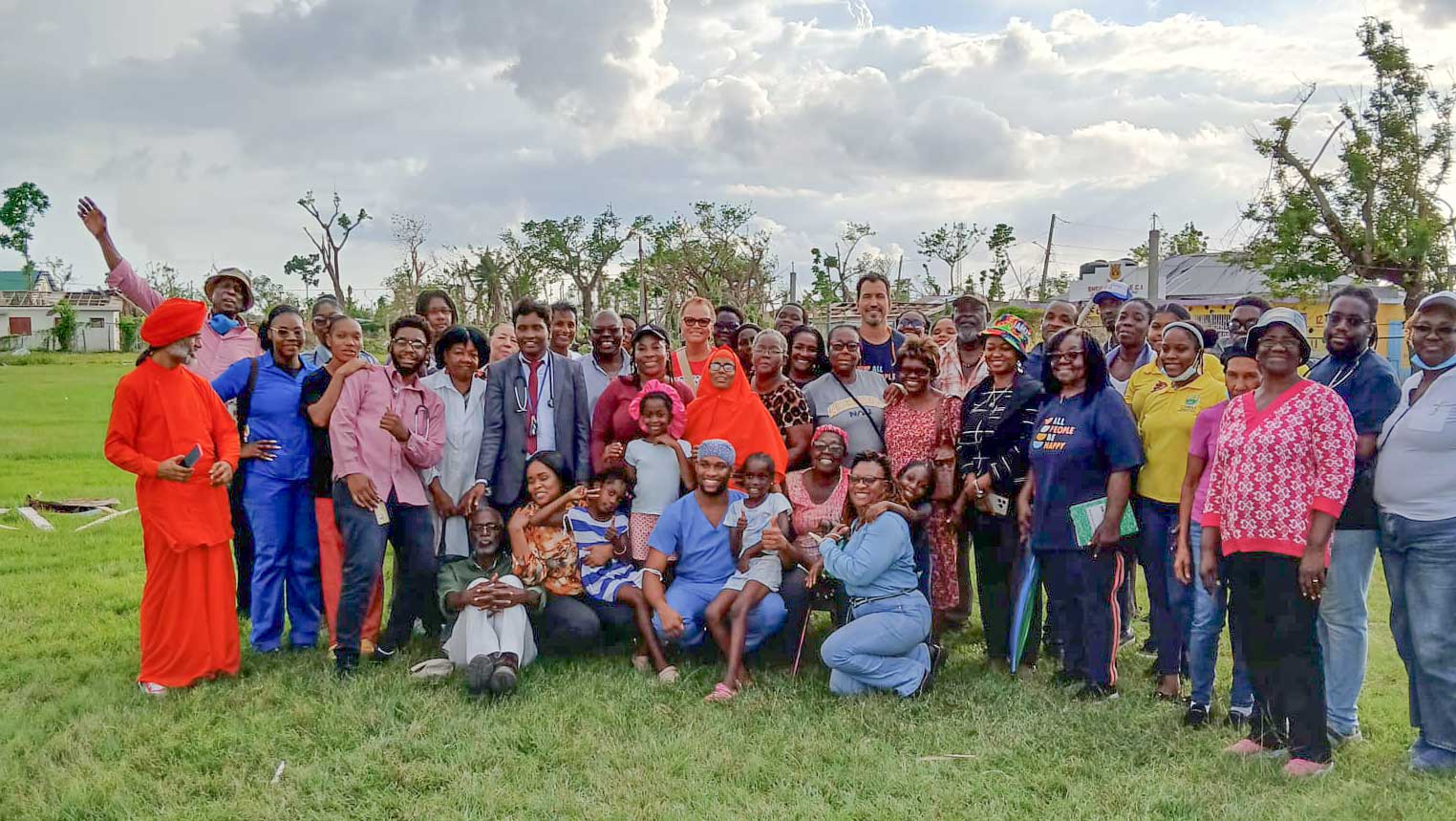
The Jamaica-Cuba Friendship Association along with the Mobile Clinic Intervention Group(MCIG).
They saw 103 patients in Petersfield, Association Of Clubs (AOC) community centre and 85 in the Grace Primary and Junior High School building. Some 162 care packages were distributed at the clinic in Petersfield while 50 was also distributed at the school in Burnt Savanna.
Additionally 12 Tarpaulins were also handed out in Petersfield. Carimed, a local drug company provided medical supplies for the patients, while Blenheim Caters provided the ove a 100 meals for the volunteers and local organizers.
This is the first stop by the MCIG to the hardest hit areas by hurricane Melissa and will continue until an appropriate level of normalcy return to the lives of Jamaicans.
They're planning to move into Hanover within the next two weeks—doing the work the government refuses to officially request.
Think about that. Civil society organizations are coordinating the Cuban medical response that should have been a government priority. Grassroots activists are living up to the spirit of CARICOM-CUBA Day while their leaders prepare speeches about it.
The Solidarity We Can't Afford
What would Errol Barrow say? What would Michael Manley—whose Jamaica was one of the original four—think of his nation celebrating December 8 while people die from diseases Cuban doctors are trained to combat?
The calculation is obvious and depressing. In 1972, defying the US carried costs but the principle mattered more. In 1975, supporting Cuban troops meant risking American wrath for African liberation.
In 2025, accepting Cuban doctors apparently carries political costs that Jamaica's government won't bear—even with bodies piling up in western parishes.
Barbados shows what genuine commemoration looks like: supporting Cuba's hurricane recovery while honoring the day their predecessors broke Washington's embargo. That's solidarity with substance. Jamaica offers speeches about historical courage while demonstrating none of it when Jamaican lives hang in the balance.
Somewhere in western Jamaica tonight, someone suffering from leptospirosis lacks access to the medical care they desperately need. Cuban doctors could be treating them. They're not—not because Cuba refused to help, but because Jamaica refused to ask.
That's the real cost of performing solidarity instead of practicing it. That's what happens when December 8 becomes about commemoration rather than commitment. And that's why this anniversary, 53 years later, tastes more like ashes than celebration.
If CARICOM-CUBA Day means anything in 2025, it must mean more than remembering when Caribbean leaders had courage. It must mean finding that courage again—even when Washington might not approve.
-30-
