JAMAICA | Money Under the Mattress - $322 Billion, Jamaicans Stockpiling Currency at Record Rates
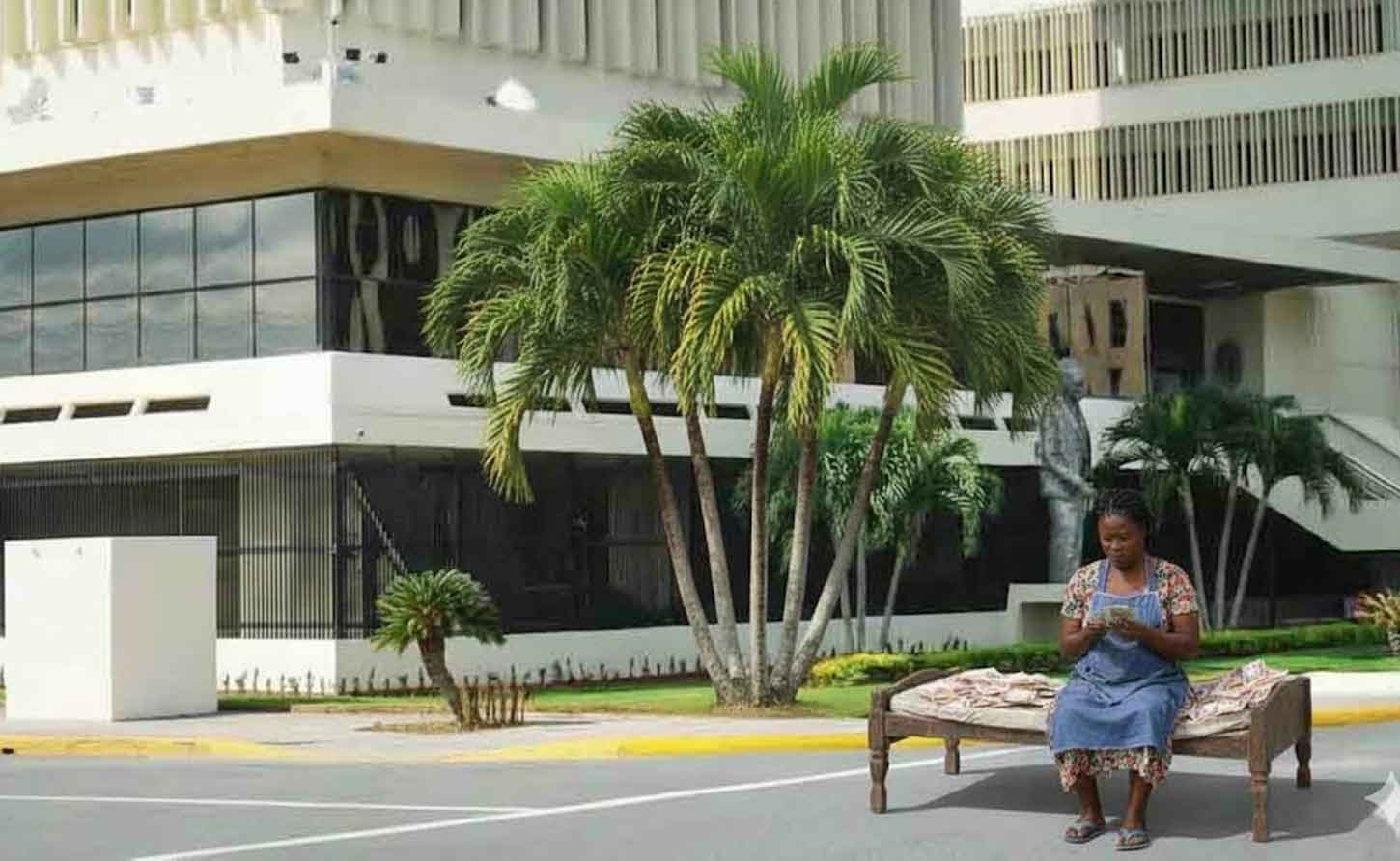
JAMAICA | Money Under the Mattress - $322 Billion, Jamaicans Stockpiling Currency at Record Rates
By WiredJa Staff
KINGSTON, Jamaica, January 5, 2026 - The Bank of Jamaica's latest currency data tells a story that no press release can sanitize: Jamaicans are hoarding cash at levels not seen in years, and Hurricane Melissa's shadow looms large over every crumpled note stuffed under mattresses from Negril to Morant Bay.
The numbers released by the BOJ this week are stark. December 2025 saw the currency stock swell by $21.7 billion—a 7.2 percent monthly jump that pushed total currency in circulation to a staggering $322.3 billion.
Year-over-year, that's a 12.7 percent increase. Compare that to December 2024's anaemic 3.1 percent annual growth, and the picture sharpens into uncomfortable focus.
The BOJ, in characteristically measured language, attributes this surge to three factors: "precautionary cash demand" linked to Hurricane Melissa, increased remittance receipts, and "an uptick in inflation."
Translation: Jamaicans don't trust electronic systems when storms knock out power for weeks. The diaspora continues to be the economic lifeline holding this country together. And your dollar buys less than it did last year.
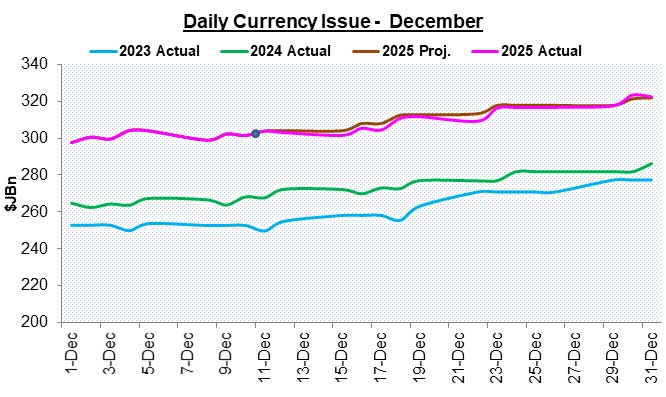 At 31 December 2025, the stock of currency was $322.3 billion representing an annual increase of 12.7 per cent, compared to an annual growth of 3.1 per cent at end-December 2024.The Melissa Factor
At 31 December 2025, the stock of currency was $322.3 billion representing an annual increase of 12.7 per cent, compared to an annual growth of 3.1 per cent at end-December 2024.
Let us be plain about what "precautionary cash demand" means in a Jamaican context. It means people who watched ATMs go dark, who saw point-of-sale machines rendered useless, who understood viscerally that when the grid fails, only physical currency talks.
The sophistication of our digital payment infrastructure means nothing when a Category 5 hurricane reminds everyone that this is still the Caribbean, where nature votes last and hardest.
This reversion to cash—real currency growth of 7.1 percent versus a 1.8 percent decline in 2024—exposes a fundamental vulnerability in Jamaica's economic modernization narrative.
We trumpet fintech innovations and cashless transactions while our people instinctively understand that paper money remains the only reliable store of value when infrastructure crumbles.
The Inflation Elephant
The BOJ's acknowledgment of inflation as a contributing factor deserves scrutiny. More cash chasing goods is a recipe for price pressure. The very act of Jamaicans holding more currency—a rational response to uncertainty—feeds the inflationary spiral that erodes purchasing power.
It is a vicious cycle that hits the poorest hardest, those least able to hedge against rising prices, those for whom every dollar's diminished value translates directly to fewer meals, fewer medications, fewer options.
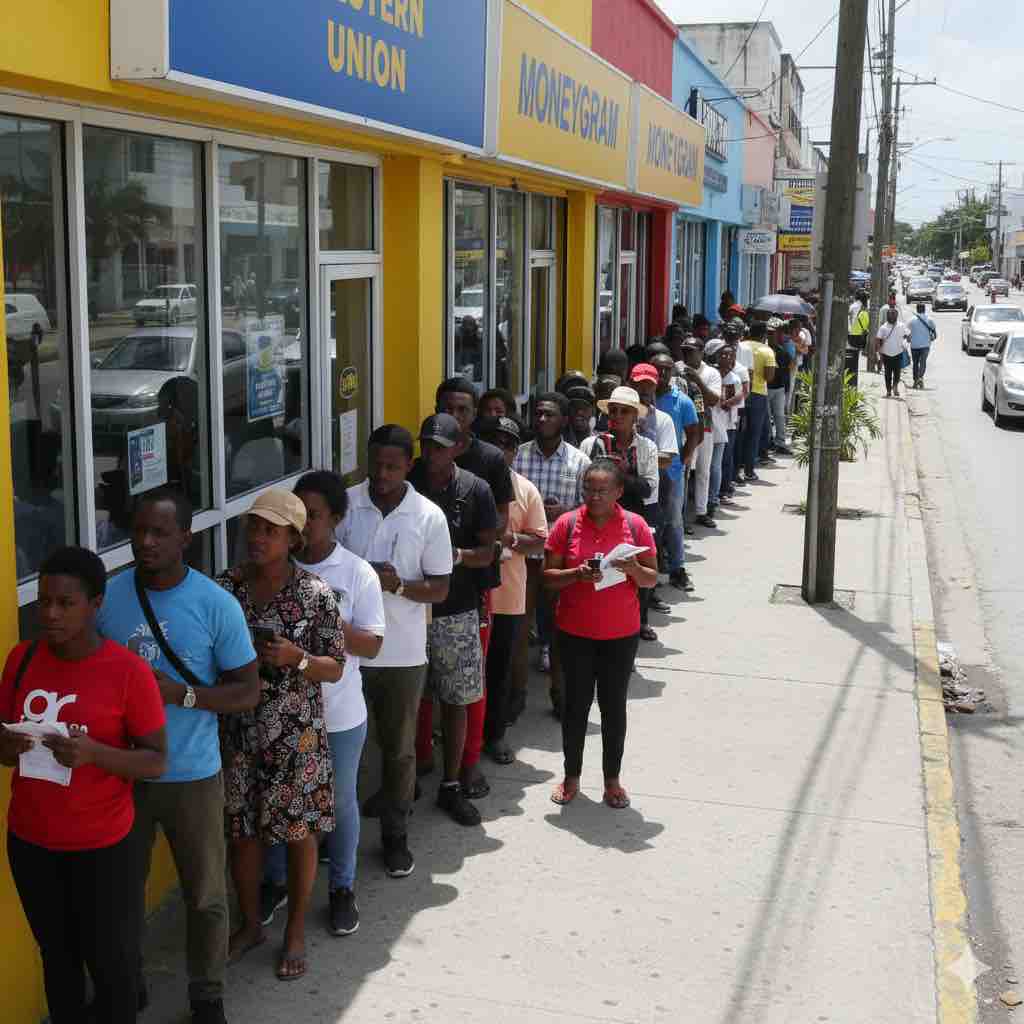 Jamaicans abroad are subsidizing an economy that struggles to provide for those who remain.The Diaspora Lifeline
Jamaicans abroad are subsidizing an economy that struggles to provide for those who remain.
Increased remittances tell the other half of this story. Once again, Jamaicans abroad are subsidizing an economy that struggles to provide for those who remain.
This is not new, but it bears repeating: our economic model depends fundamentally on the labour of those who had to leave to find opportunity. Every dollar sent home is a lifeline.
The BOJ projects that 68.8 percent of December's currency issue will be redeemed in January, based on five-year averages.
But what if this year breaks the pattern? What if Jamaicans, twice burned by hurricanes in eighteen months, decide to keep that cash close? The central bank's projections assume normalcy in a country where normalcy feels increasingly like a luxury.
Behind every billion in these statistics are families making hard calculations about survival. The $322.3 billion in circulation isn't an abstraction—it's the accumulated anxiety of a nation that has learned, repeatedly, that the only certainty is uncertainty itself.
-30-
