JAMAICA | The Byles Effect: BOJ Steers Jamaica to Stronger Dollar After Melissa's Destruction
JAMAICA | The Byles Effect: BOJ Steers Jamaica to Stronger Dollar After Melissa's Destruction
Jamaica's central bank defies post-hurricane economic gravity through disciplined monetary management
The economic textbooks would have predicted collapse. A Category 5 hurricane inflicting damage exceeding 40 per cent of GDP. Agriculture devastated. Nearly half the tourism room stock shuttered. Manufacturing disrupted. The Jamaican dollar, by conventional wisdom, should have plummeted.
It didn't.
In the weeks following Hurricane Melissa's passage, Jamaica's currency has not only held firm but continued to appreciate against the US dollar—strengthening from a high of J$163 to J$158.26 as of January 13, 2026.
That nearly 3 per cent appreciation in the aftermath of a national catastrophe is a remarkable outcome that speaks to the quiet competence of the Bank of Jamaica under Governor Richard Byles.
While the nation grapples with US$8.8 billion in infrastructure damage and faces its most severe economic contraction in decades, the central bank's measured response has prevented a monetary crisis from compounding a natural disaster.
The Numbers Behind the Resilience
Governor Byles, addressing journalists on December 22, laid bare the scale of destruction: damage estimates revised sharply upward from 30 per cent to more than 40 per cent of GDP; agriculture losses of approximately US$389 million; 43 per cent of hotel room stock closed immediately after the storm.
The Planning Institute of Jamaica projects economic contraction between 11 and 13 per cent for the December 2025 quarter alone.
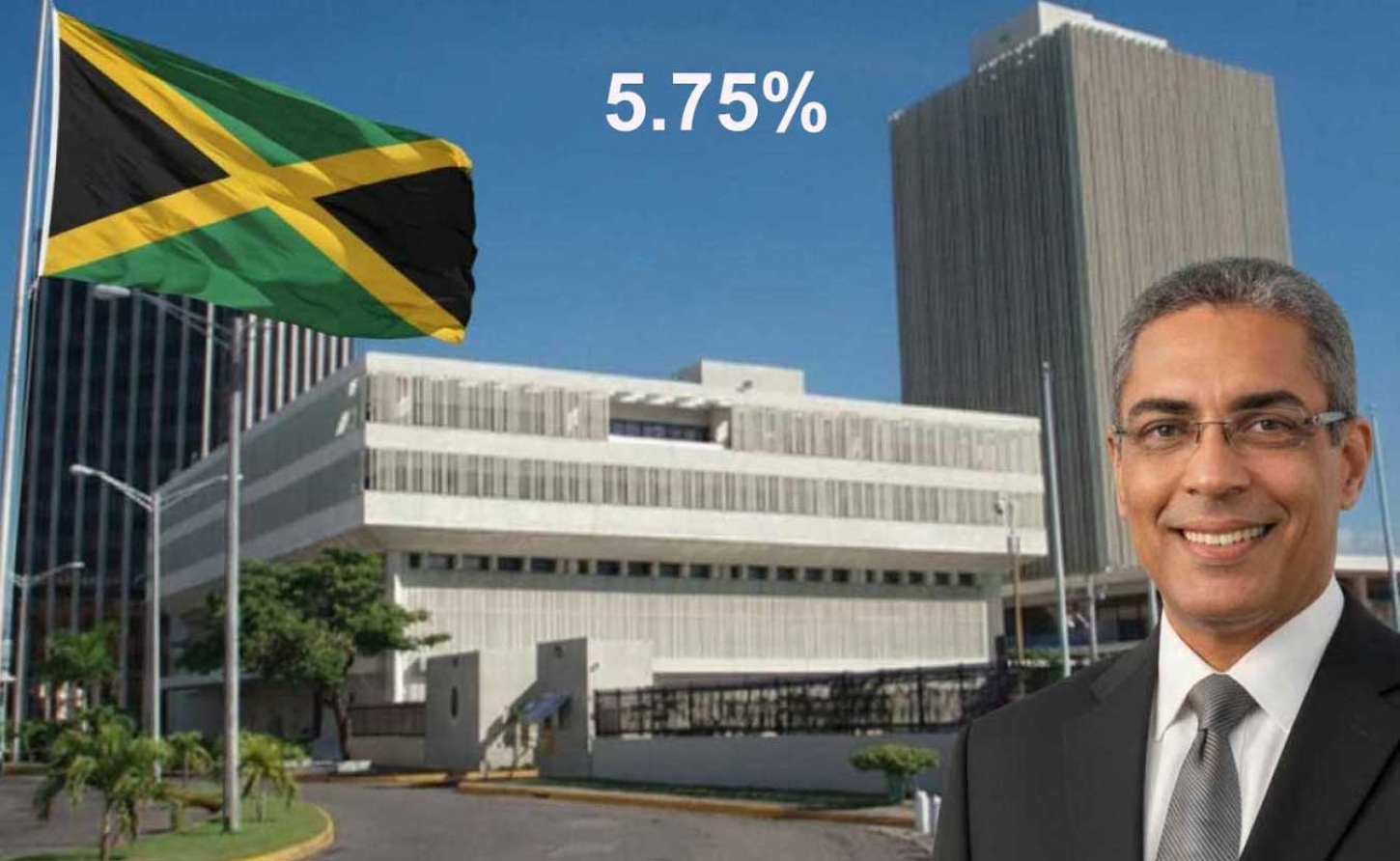
Yet amid this devastation, the BOJ's Monetary Policy Committee voted unanimously to hold the policy rate steady at 5.75 per cent per annum—a decision that might appear passive but reflects sophisticated crisis management.
The real action came in the foreign exchange market, where the central bank deployed US$250 million in targeted interventions since Melissa's landfall, directly supplied forex to energy sector players to smooth lumpy purchases, and reintroduced scheduled intervention notices to assure market liquidity.
The result: exchange rate stability—and sustained appreciation—from November through mid-January 2026. The Jamaican dollar's continued strengthening from J$163 to J$158.26 defies the depreciation pressures that typically accompany major disasters in small open economies.
A US$6.3 Billion Shield
Jamaica enters this crisis from a position of strength that owes much to years of prudent reserve management. International reserves stood at US$6.3 billion as of mid-December—approximately 151 per cent of the adequacy benchmark.
This war chest, accumulated through consistent foreign exchange purchases totalling roughly US$1.0 billion over the twelve months to November 2025, now serves its intended purpose: providing the firepower to defend currency stability when external shocks strike.
The reserves will be bolstered further by disaster risk financing mechanisms, including proceeds from the Caribbean Catastrophe Risk Insurance Facility and Jamaica's Catastrophe Bond—instruments that vindicate the nation's investment in financial resilience infrastructure.
The Inflation Challenge Ahead
Recognition of BOJ's crisis management should not obscure the difficult road ahead. Headline inflation jumped to 4.4 per cent in November, up sharply from 2.9 per cent in October, with core inflation rising to 4.3 per cent.
The central bank projects inflation will breach its 4.0 to 6.0 per cent target range by early 2026, peaking in the June quarter before moderating back to target by early 2027.
Governor Byles was characteristically direct about the risks: reconstruction spending, while essential, carries inflationary impulses; supply chain disruptions in food and energy will persist; and inflation expectations themselves could become self-fulfilling if households and businesses begin pricing in higher future costs.
The government's suspension of its fiscal rule—necessary to finance recovery—adds another variable the central bank must navigate. Larger fiscal deficits over the next three years will inject demand into an economy facing supply constraints, a classic recipe for price pressures.
Competence Deserves Recognition
In a region where central bank independence remains contested and political pressures frequently compromise monetary discipline, Jamaica's post-Melissa performance merits acknowledgment.
The BOJ did not panic. It did not abandon its inflation mandate in pursuit of short-term stimulus. It deployed reserves strategically rather than defensively.
This is what institutional competence looks like—not dramatic interventions or bold pronouncements, but steady application of sound principles under pressure.
The challenges ahead remain formidable. Real GDP is projected to decline between 4.0 and 6.0 per cent for Financial Year 2025/26. The current account will swing to deficit after three years of surplus.
Tourism recovery depends on hotel reopenings that may stretch into late 2026. Agriculture will require seasons, not months, to rebuild.
But Jamaica faces these challenges with its monetary house in order. The currency continues to strengthen—a trend that has persisted into mid-January.
Inflation, while rising, remains within manageable bounds. International reserves provide adequate buffer for the import surge reconstruction requires.
Governor Byles concluded his December statement with a commitment that "if inflation is not tamed, every sector of the Jamaican society will be adversely impacted especially the poor and most vulnerable."
That recognition—that monetary stability is ultimately about protecting ordinary Jamaicans from the cruelest tax of all—reflects a central bank that understands its mandate extends beyond technical indicators to human welfare.
Hurricane Melissa tested Jamaica's economic institutions. Thus far, they have not been found wanting.
-30-
