FOODS | CDC declares watercress the healthiest veggie on Earth !
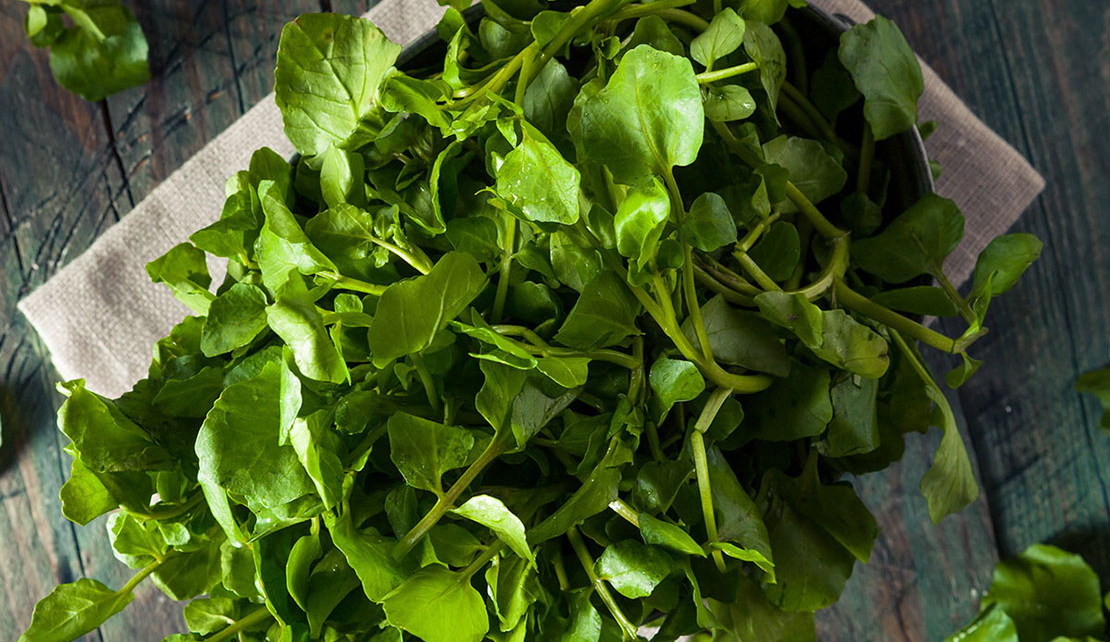
FOODS | CDC declares watercress the healthiest veggie on Earth !
For years, kale and açaí have been considered the ultimate nutrient-packed superfoods. But a new contender might be taking the throne: watercress!
The CDC (Centers for Disease Control and Prevention) has crowned watercress as the healthiest produce option [1]. The agency assigns nutrition density scores to fruits and vegetables based on their essential vitamins and minerals concentration.
Watercress, a dark leafy green that grows in natural spring water, teems with vitamins and minerals that could be particularly good for your heart [2]. Historically, people have used it as little more than a garnish. However, it is now gaining popularity as one of the latest superfoods.
Watercress has existed for ages and may have even been a dietary staple for Roman soldiers. Belonging to the same cruciferous family as kale, broccoli, arugula and Brussels sprouts and has a rich history. It treated various conditions, including hypercholesterolemia, hyperglycemia, hypertension, arthritis, bronchitis, diuresis, odontalgia and scurvy [3].
So, how can you make the most of this newfound superfood? Watercress is commonly enjoyed in salads but can also be added to pasta dishes, casseroles and sauces [4]. Because of its tender nature, it cooks faster than heartier greens like kale and collard greens and it imparts a mild, slightly peppery flavor to any dish.
When selecting watercress, look for vibrant green leaves that are crisp and not wilted. Keep it in the fridge and use it within a few days of purchase for optimal freshness.
Here are some creative ways to incorporate watercress into your diet:
- Add a few handfuls to your favorite fruit juice or smoothie.
- Add it to your next omelet or scrambled eggs.
- Whip up a watercress-based pesto.
- Mix chopped watercress into pasta sauce.
- Freshly grated Parmesan, olive oil, and ground black pepper quickly sautéed watercress.
- Enjoy it as a side or a topping for baked potatoes.
- Watercress is an excellent addition to wraps, sandwiches and flatbread.
- Stir it into soups just before they finish cooking.
With its remarkable nutrient content and potential health benefits, watercress has officially earned its spot as a nutritional powerhouse. So, why not give this underappreciated green a chance to shine in your meals? Your body might thank you for it.
