CARIBBEAN | The Unfinished Business: Why Barbados May Be Cambridge Analytica's Next Caribbean Target
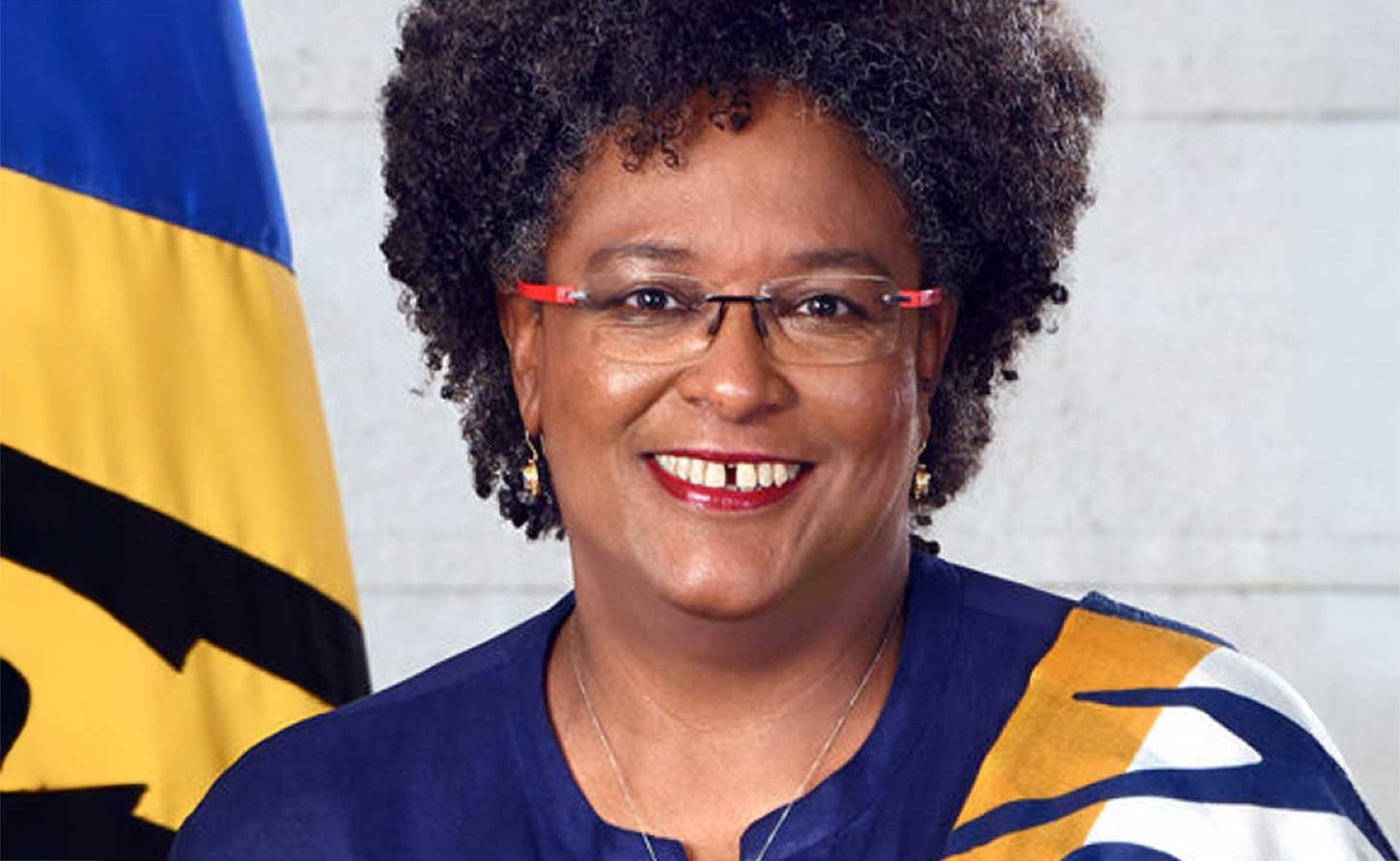
Prime Minister Mia Amor Mottley to face the polls in 2027
By Calvin G. Brown
In October 2010, when a member of Strategic Communications Laboratories tried to pitch the opposition Barbados Labour Party, Alexander Nix's response to their rejection was succinct and vile: "they just niggers."
Those three words, captured in a leaked email and reported by The Guardian in 2018, reveal more than the casual racism of a disgraced British political consultant.
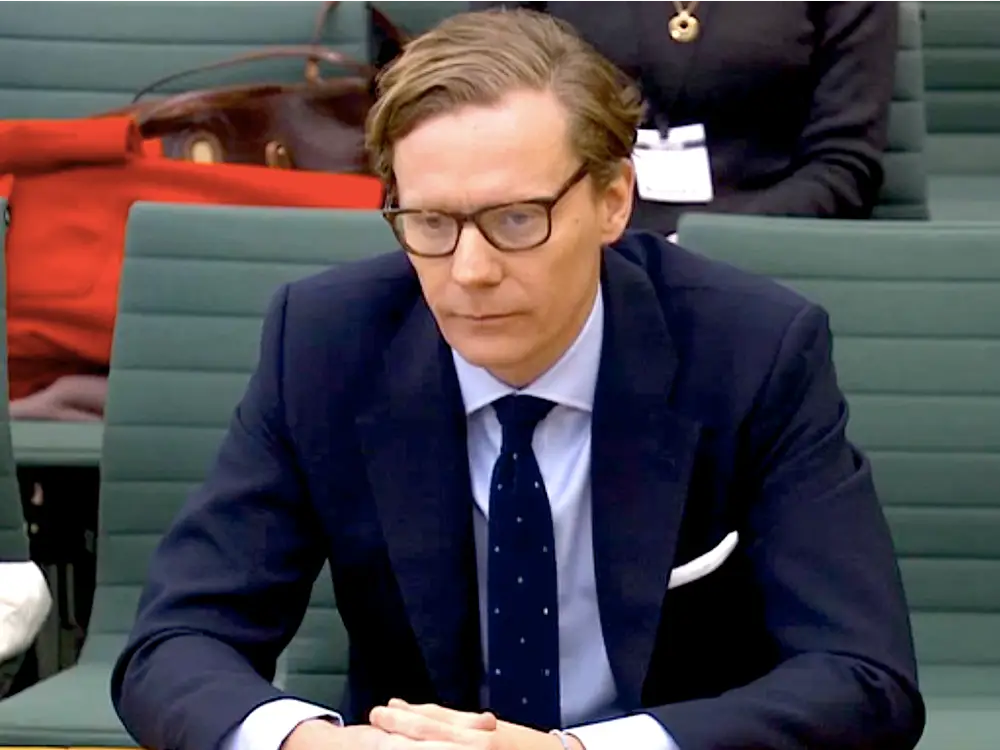
Alexander Nix, the British consultant who lost his business after an Observer investigation exposed Cambridge Analytica’s unauthorised use of Facebook data. Photograph: Tolga Akmen/AFP/Getty Images
Mia Mottley, the leader who refused Cambridge Analytica's services when she led the opposition, is now the Caribbean's most formidable political figure.
She has delivered consecutive 30-0 electoral sweeps, transformed Barbados into a republic, and emerged as a leading candidate to become the next UN Secretary-General.
For the successors of Cambridge Analytica—banned, rebranded, but still operating—toppling Mottley would represent the ultimate vindication.
The question is not whether they'll try. It's whether Barbados will see them coming.
The 2025 Caribbean Blitz
The pattern is unmistakable. In April 2025, Trinidad and Tobago fell first. Kamla Persad-Bissessar's United National Congress, a known Cambridge Analytica client from their notorious 2010 "Do So" campaign that suppressed Black youth turnout, returned to power after mobilizing behind a "Code is Yellow" message that resonated across the twin-island state.
Three days before St. Lucia's December elections, St. Vincent and the Grenadines delivered a stunning upset. Ralph Gonsalves, the "Comrade" who had governed for a record 24 years, suffered a crushing 14-1 defeat.
Godwin Friday's New Democratic Party swept to power using the same "Code is Yellow" branding that had worked in Trinidad. The coordination was obvious; the methodology familiar. Regional political watchers noted the disturbing effectiveness of campaigns that seemed to share more than just color-coding—they shared the psychological manipulation tactics that made Cambridge Analytica infamous.
But then came the firewall. On December 1, 2025, Saint Lucia's voters delivered a message that reverberated across the region. Philip J. Pierre's Saint Lucia Labour Party didn't just win—it crushed Allen Chastanet's United Workers Party 16-1, leaving the opposition leader as his party's sole parliamentary survivor.
The "Code is Yellow" campaign that had toppled governments in Trinidad and SVG fell spectacularly flat. Saint Lucia became the Eastern Caribbean's proof that competent governance and genuine achievements can create immunity against even the most sophisticated electoral manipulation.
The Perfect Target
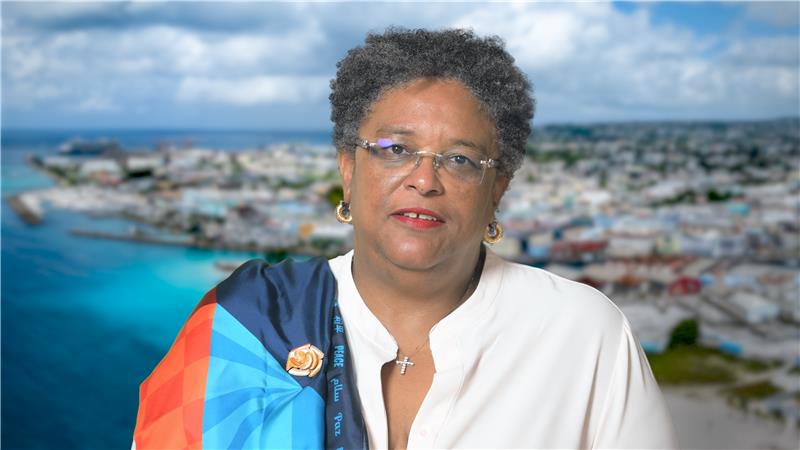 Which brings us back to Barbados and the unfinished business of 2010. Consider what makes Mottley such an attractive target for the Cambridge Analytica successors now operating under new corporate shells:
The personal vendetta. That racist email wasn't just offensive—it was revealing. Nix's contempt for Mottley and the then Information Minister Lucille Moe, stemmed from their refusal to engage Cambridge Analytica's services. They saw through the pitch. They said no. For a firm that built its reputation on electoral victories, that rejection stung.
Now that Mottley has become the Caribbean's most dominant political figure, the temptation to prove they could have made the difference—or worse, that they can unmake her—must be overwhelming.
The strategic prize. Mottley isn't just another Caribbean prime minister. She's delivered unprecedented 30-0 sweeps in consecutive elections (2018, 2022). She's transformed Barbados from constitutional monarchy to republic.
She's earned international recognition as a climate justice champion, a TIME 100 honoree, and a credible candidate for UN Secretary-General. Toppling her would be the ultimate trophy—proof that no Caribbean leader, no matter how accomplished, is beyond their reach.
The timing is right. In May 2025, Mottley reversed her planned retirement and announced she would seek a third term, with elections constitutionally due by 2027.
That gives the Cambridge Analytica successors—who Guardian sources say have already pitched to St. Kitts and Nevis' Labour Party—two years to build their operation. Nix's seven-year ban from serving as a UK company director expires in 2027, perfectly timed with Barbados' electoral calendar.
The vulnerability exists. Despite Mottley's dominance, Barbados' opposition Democratic Labour Party remains weak, disorganized, and desperate. As Mottley herself noted, they "resemble more of a pressure group than a political party."
That desperation makes them potentially receptive to external help, especially from consultants promising the same "Code is Yellow" magic that worked in Trinidad and SVG.
The Warning Signs
The infrastructure is already in place. Cambridge Analytica may have closed its doors in 2018, but its key personnel have regrouped under new corporate entities. Nix himself was filmed offering to manage electoral campaigns in the Caribbean mere months after Cambridge Analytica's collapse.
The tactics remain the same: psychological profiling, micro-targeted messaging, voter suppression campaigns disguised as grassroots movements.
What makes this particularly insidious is how these operations exploit Caribbean vulnerabilities—small populations that make micro-targeting cost-effective, ethnic or class divisions that can be weaponized, limited regulatory frameworks around campaign financing and digital advertising.
The Stakes

Prime Minister Philip J. Pierre of the Saint Lucia Labour Party and Opposition Leader Allen Chastenet
Whether she can withstand the sophisticated assault that toppled governments in Trinidad and SVG will determine not just Barbados' future, but whether the Caribbean can maintain electoral sovereignty in an age of digital manipulation.
The Cambridge Analytica successors have unfinished business in Barbados. The question is whether Barbadians will let them finish it.
-30-
