ANTIGUA | Pringle Fires Back: UPP Leader Dismisses Resignation Reports as Prime Minister's Political Sabotage
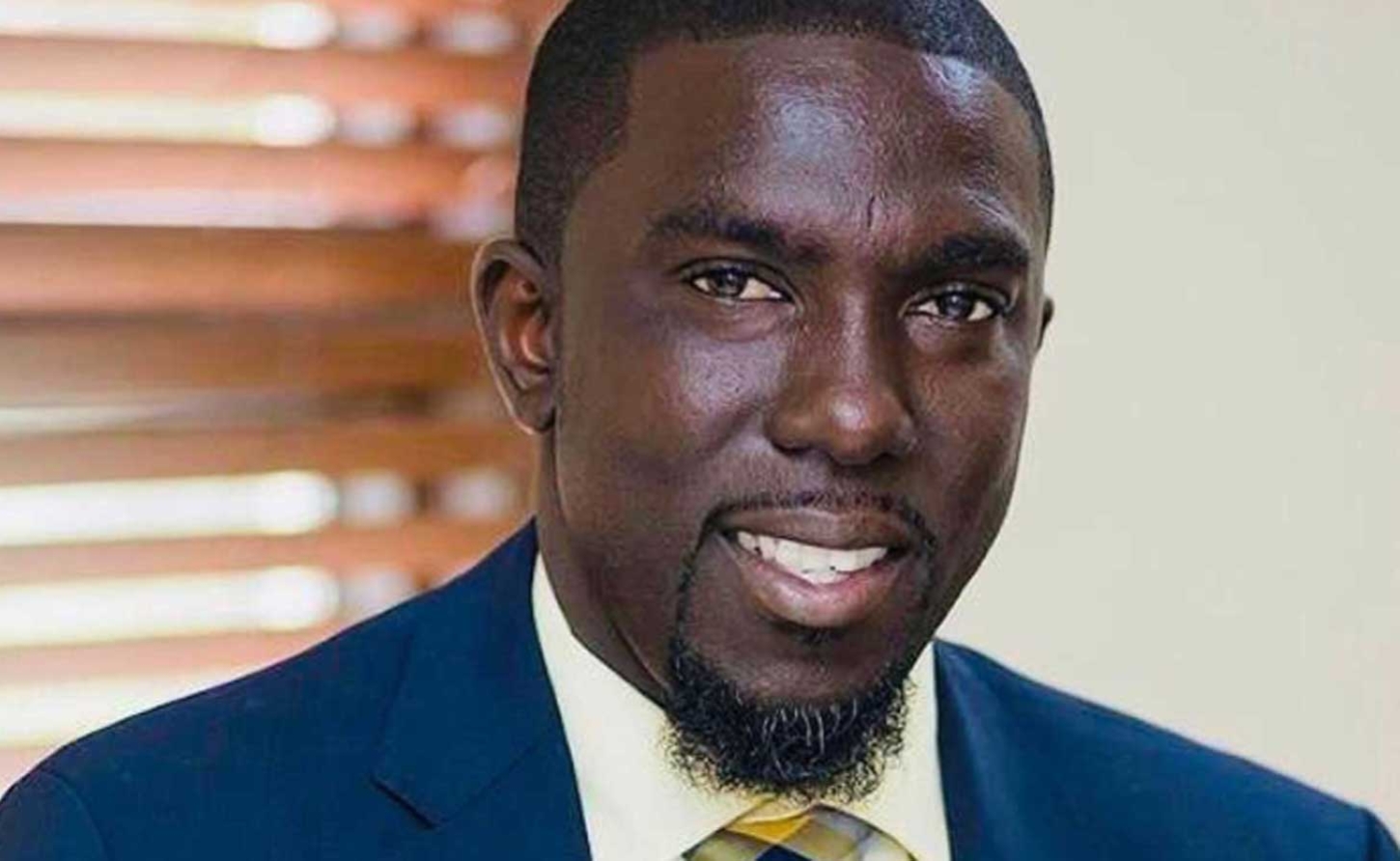
Leader of the United Progressive Party, UPP, Jamale Pringle
Jamale Pringle breaks his silence — and goes directly at Gaston Browne's administration, calling resignation reports a deliberate destabilization campaign against Antigua's principal opposition party.
By Calvin G. Brown |
In Antigua and Barbuda's volatile political landscape, the line between legitimate journalism and weaponized information has always been dangerously thin. This week, United Progressive Party Political Leader Jamale Pringle drew that line — and dared the ruling Antigua Labour Party to cross it again.
In a sharply worded statement that left no room for diplomatic ambiguity, Pringle flatly rejected reports circulating in recent days that he intends to step down as UPP leader. But more than a simple denial, his statement was a full-throated counter-offensive — one that named names, identified sources, and placed the blame squarely at the feet of Prime Minister Gaston Browne.
"I am not resigning," Pringle declared with the kind of declarative finality that signals not just personal resolve but institutional defiance. "I remain your Political Leader. I remain committed to holding the Gaston Browne Administration accountable. And I remain committed to building this Party into an organization worthy of leading this Nation."
THE PRIME MINISTER'S HAND
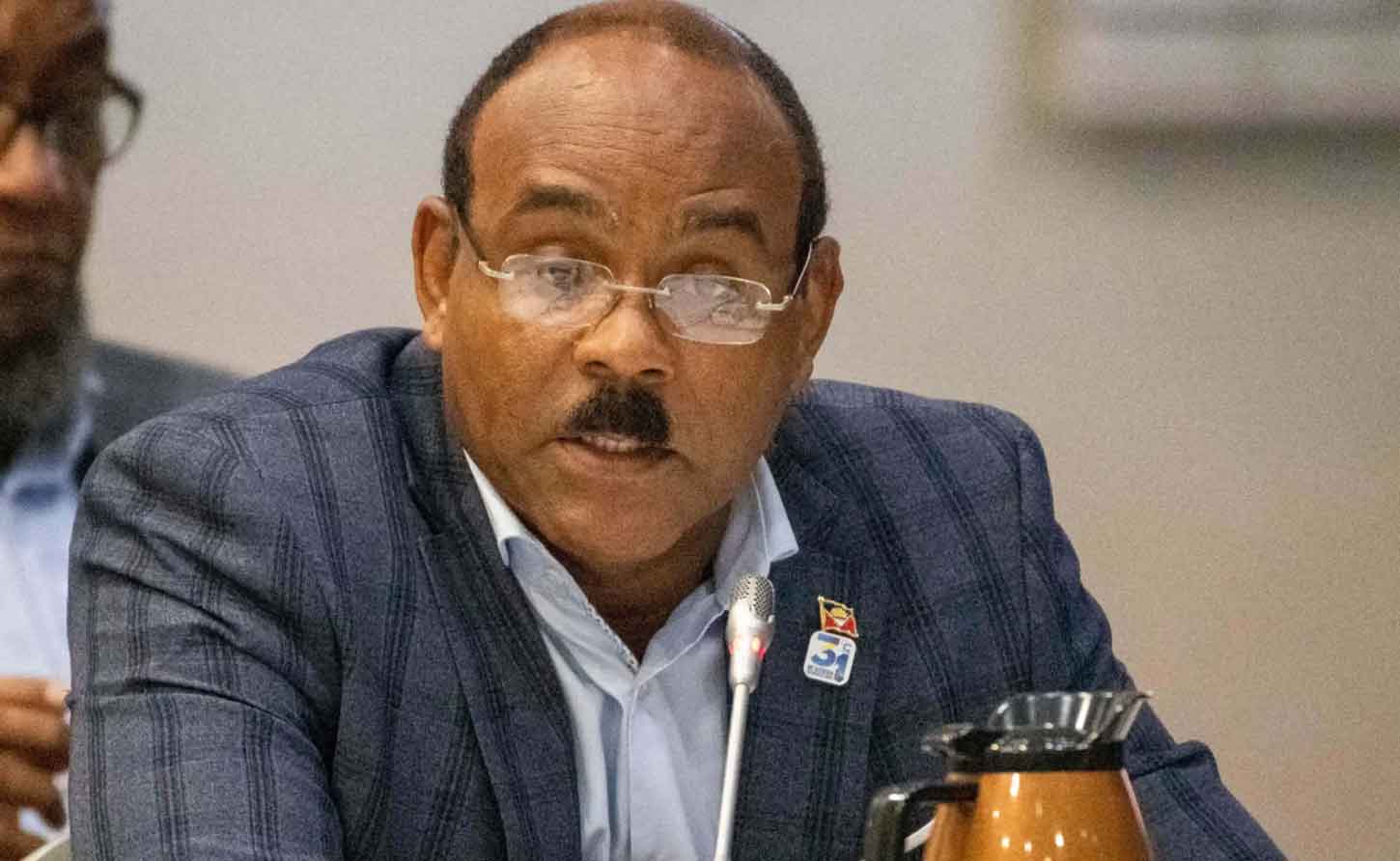 What distinguishes Pringle's statement from mere political posturing is his identification of the alleged source. He did not gesture vaguely toward unnamed opponents or blame internal party malcontents.
He pointed directly at a media operation he claims is managed by the Prime Minister himself — a vehicle designed, in his assessment, not to inform but to destabilize.
If accurate, the allegation is deeply troubling. The weaponization of sympathetic media to circulate false narratives about opposition leadership is a tactic well documented across Caribbean political history, from Jamaica to Trinidad.
It is a form of political warfare that requires no public accountability and leaves few fingerprints. For Pringle to name the mechanism so specifically — and so publicly — represents either extraordinary political courage or an absolute confidence in his intelligence.
"To use the result of the by-election as a crowbar to dislodge elected Party leadership is not merely disingenuous. It is an insult to the intelligence of the public."
— Jamale Pringle, UPP Political Leader
ST. PHILIP'S NORTH: WEAPONIZED OR MISREAD?
Central to the internal pressure campaign against Pringle has been the UPP's performance in the St. Philip's North by-election, where party candidate Brother Alex Browne contested without capturing the seat.
Critics within and outside the party have used the result as evidence that Pringle's leadership lacks the electoral potency necessary to mount a credible challenge to the ALP in a general election.
Pringle's response to this framing is pointed and historically grounded. The UPP, he notes, has never held St. Philip's North in its fifty-year existence. To treat the loss of a constituency the party has never won as evidence of leadership failure is, in his words, "an insult to the intelligence of the public" — and a deliberate misreading of what the by-election was designed to achieve.
The contest, he argues, was about demonstrating organizational presence, showing potential supporters that the UPP was prepared to contest every seat, and delivering a signal to the electorate that change is not merely aspirational but imminent.
That argument has merit. Political parties routinely contest unwinnable seats as exercises in base mobilization, candidate development, and public visibility.
To judge the entire leadership of an opposition party on a single by-election result — particularly one in a constituency that has never returned an opposition member — is a standard that no sitting Prime Minister would accept applied to themselves.
LOVELL HOLDS THE LINE
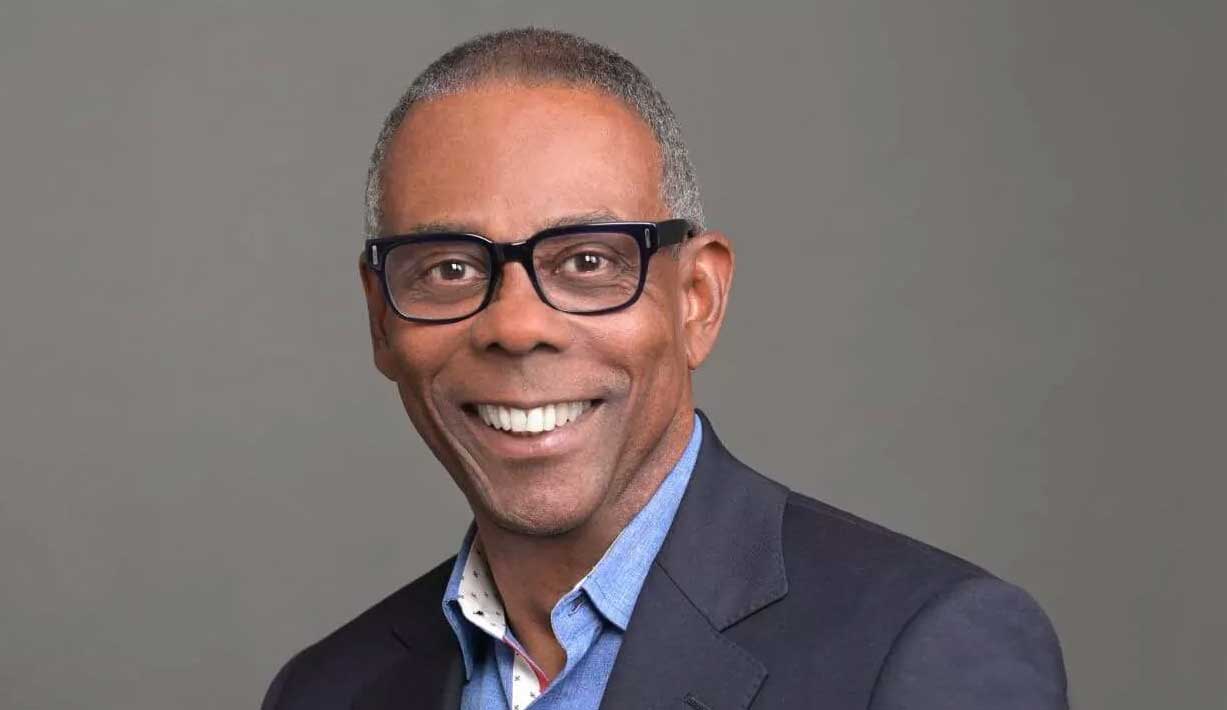
Harold Lovell — a veteran political figure and former UPP leader who remains anchored to the constituency of All Saints West.
Lovell's public alignment with Pringle at this moment is not incidental. It is a unity signal — a message to wavering party members that the senior institutional layer of the UPP has not broken, regardless of what the PM-aligned media operation may be reporting.
In the arithmetic of Caribbean opposition politics, veteran solidarity is currency. Lovell's visible commitment denies the ALP the narrative it appears to have been constructing: that Pringle's leadership has fractured the party's historic base.
THE GENERAL ELECTION SHADOW
All of this unfolds against the backdrop of what Pringle himself described as an "imminent General Election." Whether that election comes in 2026 or spills into 2027, the destabilization of the UPP now — before the campaign season fully ignites — serves a clear strategic purpose for the ruling ALP.
A divided, leaderless, or demoralized opposition is an opposition incapable of mounting the kind of sustained challenge that delivers electoral change.
Gaston Browne has governed Antigua and Barbuda for over a decade, winning successive mandates through a combination of development optics, patronage politics, and the absence of a sufficiently unified opposition.
What Pringle's statement signals is that the UPP intends to deny him the easiest of those advantages — a fragmented opposition — heading into the next contest.
The Antigua Labour Party has, as Pringle noted with deliberate bluntness, "earned no blank cheque." His message to the electorate is unambiguous: the citizens of Antigua and Barbuda deserve better governance than they are currently receiving, and the UPP intends to be the vehicle through which that verdict is delivered.
What remains to be seen is whether the party can hold together long enough to make that argument credibly. Pringle's defiance is a beginning.
Whether it becomes a turning point depends on what happens inside the UPP in the days and weeks ahead — and whether Gaston Browne's playbook has another chapter yet to be written.
— 30 —
