
CUBA Regrets the Decision of the Government of Jamaica to Cease Medical Cooperation, Yielding to Pressure from the U.S.
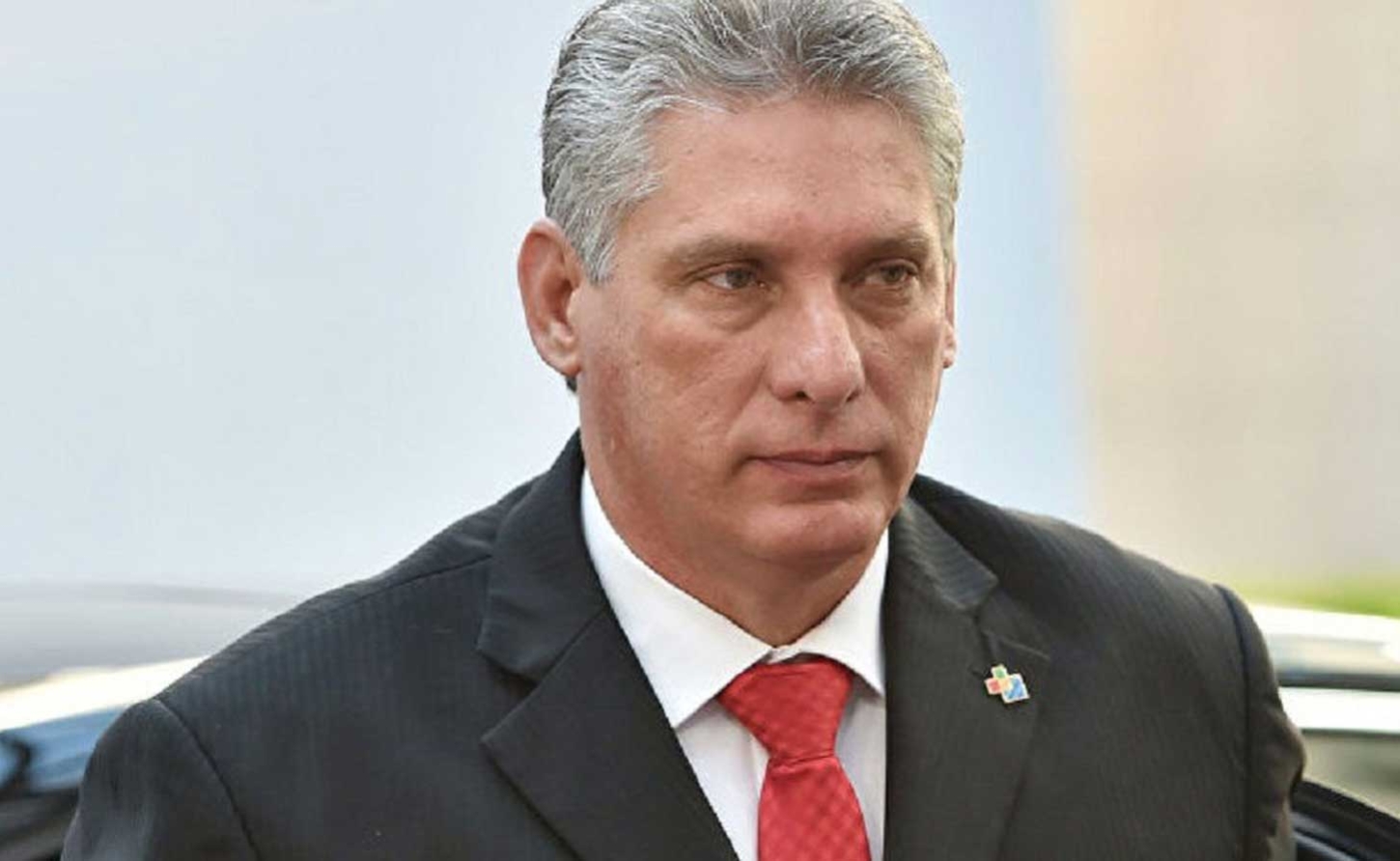
Cuban President Miguel Díaz-Canel Bermúdez
In a formal statement released today, the Ministry of Foreign Affairs of the Republic of Cuba announced the withdrawal of its 277-strong medical brigade from Jamaica — and laid responsibility for the decision squarely at Washington’s door. The numbers behind that decision: 8.1 million patients treated, 90,000 lives saved, 25,000 Jamaicans who can see again. Now it’s over. And Washington is applauding.
On March 4, 2026, the Government of Jamaica communicated a quiet but seismic decision to the Cuban Embassy in Kingston: after five decades of medical partnership that has kept Jamaica’s most vulnerable citizens alive, the arrangement was finished.
No fanfare. No plan for what comes next. Just a foreign ministry statement wrapped in diplomatic gauze — and the unmistakable fingerprints of Washington’s pressure campaign all over it.
Havana did not mince words. In its official statement — issued by the Ministry of Foreign Affairs of the Republic of Cuba and dated this very day, March 6, 2026 — the Cuban government confirmed the withdrawal of its 277 health professionals and made its position unambiguous: Jamaica had yielded to pressure from the United States government, a government Cuba noted pointedly that has never demonstrated any genuine concern for the health needs of Caribbean people.
They are not wrong.
The Architecture of Coercion
The architecture of American pressure has been neither subtle nor disguised. Secretary of State Marco Rubio announced visa restrictions targeting not just Cuban officials, but foreign government officials whose countries participate in Cuban medical programmes.
The message was unambiguous: host Cuban doctors, lose your American visa. The State Department dressed it up as concern about “forced labour.” Republican Congressman Carlos Gimenez — never one for nuance — called it “human trafficking.”
And one by one, Caribbean governments have bent the knee. The Bahamas suspended the hiring of Cuban doctors. Guyana ended its programme in February 2026. Guatemala announced a gradual phase-out.
Now Jamaica — the country that once stood as a beacon of Caribbean independence and Third World solidarity under Michael Manley — has joined the procession.
Fifty Years. One Decision. Gone.
The Cuba-Jamaica medical programme began in 1976 and was upheld by successive political administrations — JLP and PNP alike — through the Cold War, through IMF austerity, through a pandemic that could have destroyed what remains of the public health system.
For fifty years, Cuban doctors filled the rural clinics and public wards that Jamaica’s own medical professionals — many of whom trained in Havana on Cuban scholarships — have historically been reluctant to serve.
The statistics Cuba cited in its official statement are not propaganda. They are a ledger of human survival: more than 8.1 million patients treated, over 74,000 surgical procedures performed, nearly 7,200 births attended.
Through Operation Miracle alone, present in Jamaica since 2010, the sight of close to 25,000 Jamaicans has been restored or improved. The eye care programme, as opposition spokesman Dr. Alfred Dawes confirmed, performs more cataract surgeries than all public hospitals combined — the lifeline for every Jamaican who cannot afford $500,000 for private surgery.
And it was these same professionals who, when Hurricane Melissa tore through Jamaica, did not evacuate. Cuba’s statement records that brigade members worked for more than 72 consecutive hours in the aftermath of the storm, actively joining the recovery of hospitals and communities. When Jamaica needed them most, they stayed.
The Fiction That Doesn’t Survive Scrutiny
The Holness administration’s diplomatic fiction — that this decision was driven by an inability to agree on “terms and conditions” after the previous agreement expired in 2023 — does not survive scrutiny.
A government official with knowledge of the talks told the Gleaner that it was “a terrible situation for any health minister, to be caught up between saving lives and foreign policy fights.” That is not the language of a negotiation breakdown. That is the language of capitulation.
Washington wasted no time celebrating. Congressman Gimenez publicly thanked “the people of Jamaica” for ending what he called a “pathetic, criminal human trafficking operation.”
The Jamaican people — the patients in Westmoreland, St. Thomas, and rural Hanover who relied on those doctors — received no such thanks. They received instead the news that their healthcare is now a bargaining chip in America’s geopolitical war against Havana.
Grace Kingston Does Not Deserve
Cuba, in its official statement, closed with a grace Kingston does not deserve in this moment. Havana reaffirmed its “unwavering commitment to the Jamaican people” and pledged that those people “will always be able to count on the selfless cooperation of Cuba.”
That is the language of a partner who understands the difference between a government and its citizens — a distinction the Holness administration has, in one decision, made devastatingly clear it does not grasp.
The Caribbean Zone of Peace is not merely a declaration. It is a demand — that our region refuse to become a theatre for the foreign policy battles of great powers, waged at the expense of our own people’s lives and health.
Jamaica just forgot that. And for the most vulnerable Jamaicans, the cost of that forgetting will be measured not in diplomatic cables, but in clinic waiting rooms and darkened eyes.
-30-
