DIASPORA | Clarke Strikes Back: Jamaican-American Congresswoman Moves to Shield Immigrant Doctors from $100,000 Visa Fee Trap
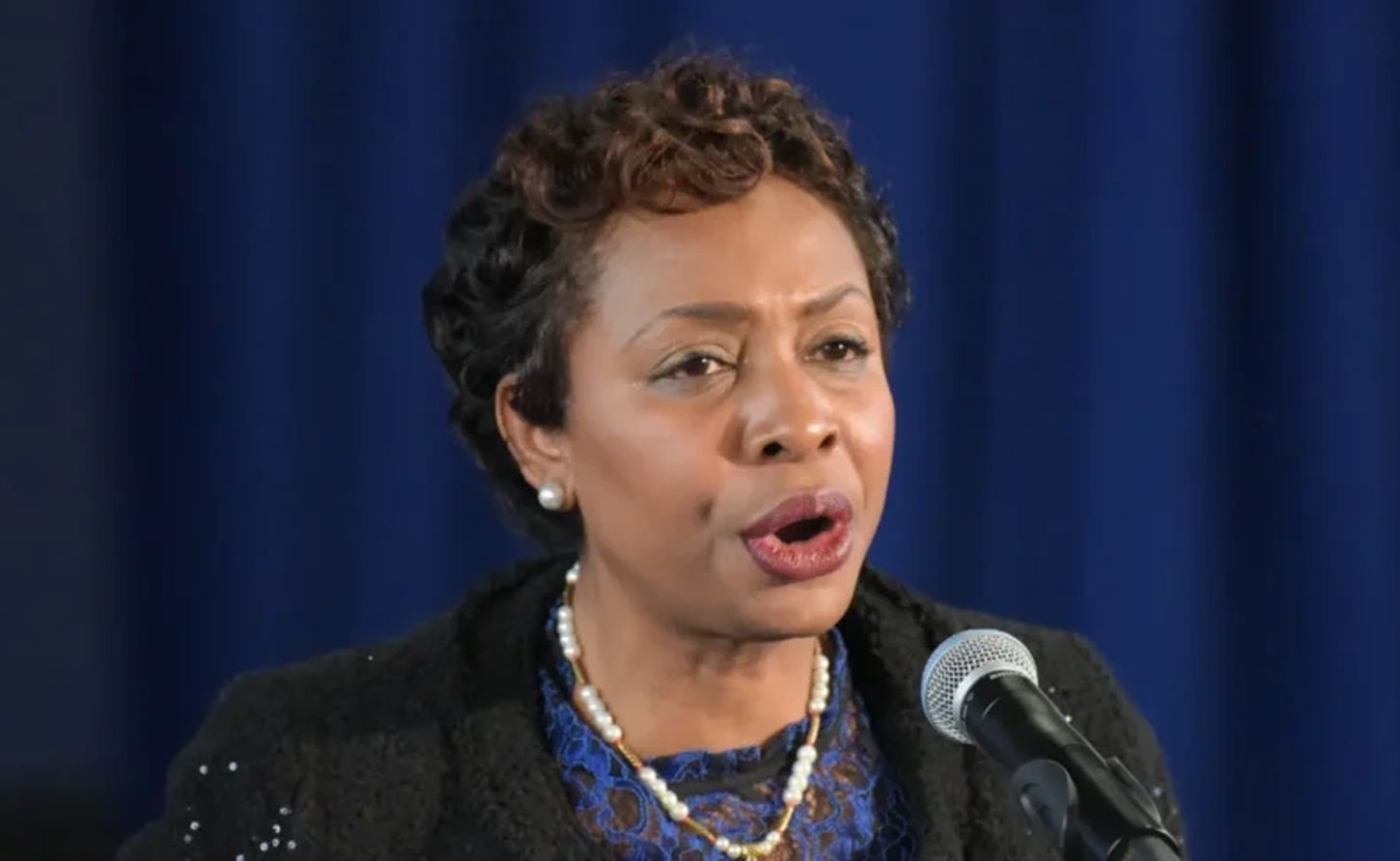
Jamaican-American Congresswoman Yvette D. Clarke
As the Trump administration moves to squeeze immigrant healthcare workers with punishing new fees, Rep. Yvette Clarke is fighting back—and the Caribbean has a direct stake in the outcome.
MONTEGO BAY, Jamaica, March 19. 2026 - Calvin G. Brown |They built America's hospitals. They staffed its emergency rooms through COVID-19, through flu seasons and pandemics, through the long, understaffed nights that no domestic workforce could fill alone. And now, the United States government wants to charge them $100,000 for the privilege of staying.
That is the ugly arithmetic behind a presidential proclamation issued in September 2025, which introduced a six-figure fee tied to certain H-1B visa petitions—a surcharge that strikes directly at the physicians, nurses, and allied healthcare professionals who have long been indispensable to the American healthcare system. Many of those workers are Caribbean-born. Many are Jamaican.
Clarke Steps Into the Breach
Jamaican-American Congresswoman Yvette D. Clarke is not waiting for the damage to become irreversible. On Tuesday, Clarke introduced the H-1Bs for Physicians and the Healthcare Workforce Act alongside Representatives Sanford D. Bishop Jr., Maria Elvira Salazar, and Mike Lawler—a bipartisan coalition united by a simple conviction: that punishing immigrant doctors is not a healthcare policy. It is self-sabotage.
The bill seeks to exempt physicians and other healthcare professionals from the $100,000 fee and to prevent any additional cost escalations beyond those already permitted under existing U.S. immigration law. It follows a coordinated push earlier this year in which Clarke and Lawler led a group of 100 lawmakers in demanding that the Department of Homeland Security exclude healthcare workers from the fee requirement entirely.
"The fee increase could place additional financial strain on hospitals, further exacerbate workforce shortages, and reduce access to care." — Kenneth E. Raske, Greater New York Hospital Association
The Numbers Tell a Damning Story
The data leaves little room for political spin. According to the Health Resources and Services Administration, nearly 87 million Americans live in areas with limited access to medical professionals—communities that rely disproportionately on foreign-trained physicians to keep health systems functioning. Projections from the American Academy of Neurology warn of a shortage of nearly 86,000 physicians in the United States by 2036. International medical graduates, many of them Caribbean-trained or Caribbean-born, have long been the backstop that prevents those numbers from becoming a full-blown crisis.
Yet the $100,000 fee does not distinguish between a physician serving an underserved rural community in Mississippi and a tech worker in Silicon Valley. It treats a Trinidadian cardiologist and a software developer with identical financial bluntness—a policy failure with life-and-death consequences for the patients at the end of that chain.
A Caribbean Lifeline at Stake
For the Caribbean diaspora, this is not an abstract legislative matter. Thousands of Caribbean-born healthcare professionals serve in the U.S. medical system. Their remittances sustain families across Jamaica, Trinidad, Barbados, and Guyana. Their professional pathways inspire younger generations at home who see medicine in America as both a career and a contribution.
If the $100,000 fee stands unchallenged, hospitals—particularly those in underserved communities—will face an impossible choice: absorb the cost, pass it on through reduced hiring, or watch as qualified immigrant professionals seek opportunities in countries with fewer financial barriers. The ripple effects reach directly back to the Caribbean.
Accountability Before Applause
Clarke's bill is necessary. It is also, in a functioning democracy, the minimum response to a policy that never should have been enacted. Healthcare should not be held hostage to immigration politics. The workers who kept American hospitals operational during the darkest days of the pandemic deserve legislative protection, not financial punishment dressed up as regulatory reform.
The bipartisan support the bill has attracted signals that this reality crosses party lines. Whether it crosses the finish line in the current political climate is another question entirely—one that the Caribbean diaspora and the millions of Americans living in healthcare deserts will be watching with urgent interest.
-30-
