
JAMAICA'S Constitution at 65: Patterson Demands End to Colonial Framework
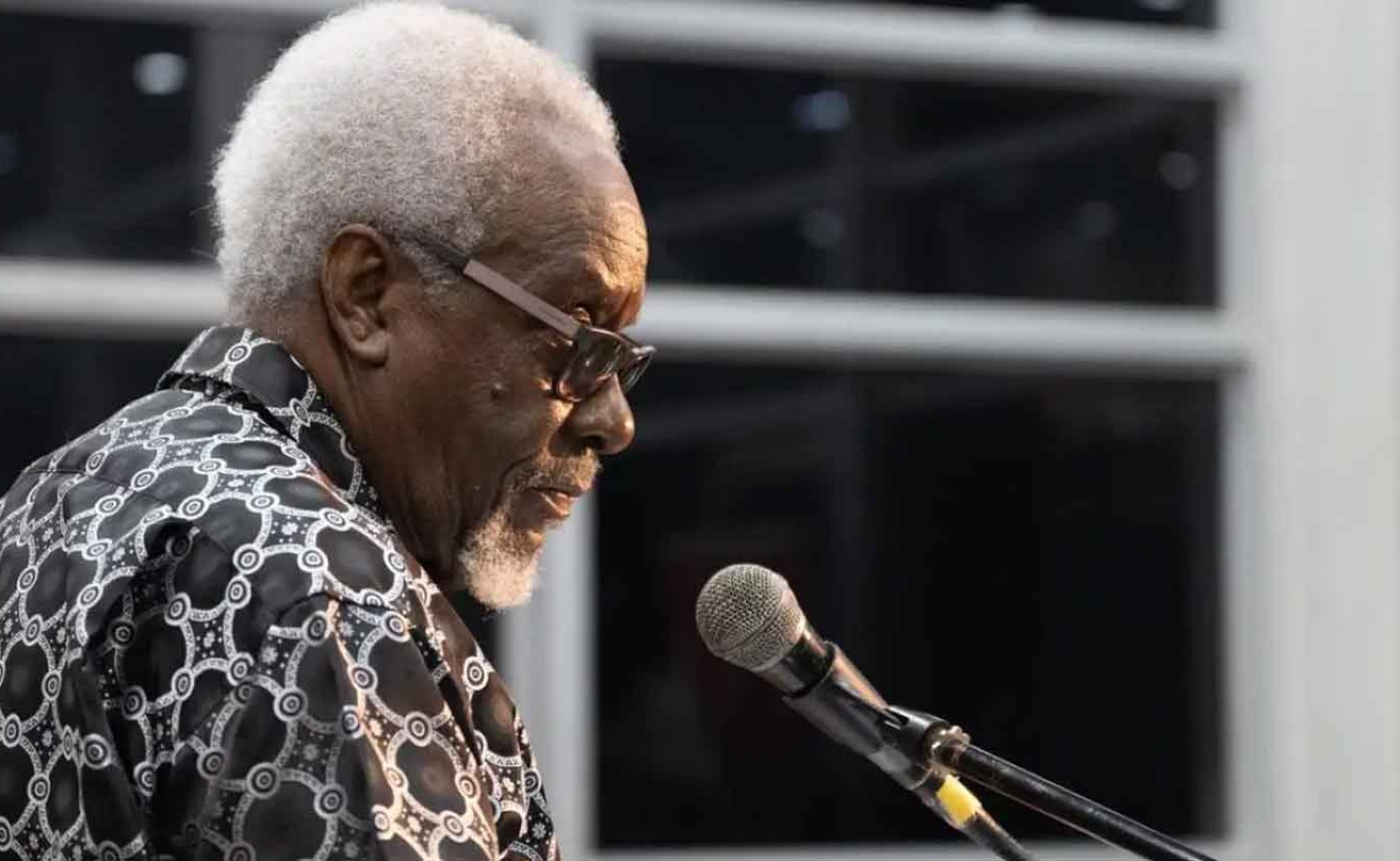
Former Prime Minister of Jamaica PJ Patterson
Former PM PJ Patterson delivers blistering Norman Manley lecture, calling Jamaica’s founding document an unacceptable relic of British rule
By Calvin G. Brown | April 2, 2026
Six and a half decades after Independence, Jamaica is still governed by a Constitution born not of its own people’s will, but of a British Order in Council. The Monarch still sits as Head of State. British judges on the Privy Council still hold the final word on Jamaican justice.
And amending that founding document remains so procedurally cumbersome that meaningful reform has been parked in the waiting room of history — indefinitely.
That is the damning indictment delivered by former Prime Minister P.J. Patterson at the University of the West Indies, Mona Campus, on Tuesday, where he delivered the Norman Manley Distinguished Lecture to mark Jamaica’s 65th anniversary of constitutional independence.
Patterson — who himself governed under that same constitutional framework for fourteen years — did not mince words.
“Something is profoundly wrong with this picture.”
The former Prime Minister acknowledged that Jamaica’s founding fathers had not claimed to be doing something revolutionary. Norman Manley himself, Patterson noted, had conceded that the Independence Constitution “did not embark on any original or novel exercise” but drew on what was familiar. That, Patterson said, may have been defensible in 1962. It is not defensible in 2027.
Patterson was careful to credit genuine progress. The original Fundamental Rights and Freedoms chapter has since been replaced by a Charter of Rights, shifting the burden of proof squarely onto the State when it seeks to limit citizens’ liberties.
Additional rights — to a clean environment, to primary education, to free and fair elections — have been enshrined. These, he said, represent real and hard-won gains.
But the structural architecture, he argued, remains fundamentally colonial in character.
“The Westminster system, transplanted wholesale from Britain, was designed for a society with a very different history, a different geography, and entirely different social dynamics. After 65 years of living within it, we know what it does well and what it does badly.”
His critique was surgical. The Westminster model, he argued, entrenches winner-takes-all political rivalry in a small island society that desperately needs cohesion. It allows Cabinet to balloon until Ministers outnumber Government backbenchers, effectively neutering Parliament’s oversight function.
It concentrates policy power in the Executive and leaves the Legislature as little more than a rubber stamp.
What Jamaica needs, Patterson insisted, is not window-dressing reform — not a Westminster Mark II — but a genuinely indigenous constitution.
“We must use our 64 years of experience and learning to guide us in shaping a new Constitution of our own making. Not a copy of any foreign model. Something sui generis — designed for Jamaica, by Jamaicans, through a process of extensive national consultation that gives every citizen a stake in the outcome.”
Such a constitution, Patterson argued, must confront questions the current framework has never been equipped to answer: how to build a participatory democracy that draws from the widest possible talent pool; how to create a legislature genuinely capable of holding the Executive to account; and how to constitutionalise transparency and responsiveness as binding legal duties — not political favours to be dispensed at a governing party’s discretion.
Patterson did not confine himself to the long arc of constitutional philosophy. He trained his sights on the present impasse over the republic transition, calling the legislative stalemate an open secret that the public has a right to understand.
“The people have a right to know whether previous Bills will be retabled or whether a bipartisan consensus is being sought. The constitutional timetable, once triggered, will not wait indefinitely.”
On the crisis of democratic legitimacy, Patterson drew a direct line between the failings of the constitutional order and the growing disengagement of young Jamaicans from the political process. Declining electoral participation among youth, he argued, is not apathy — it is a verdict.
“The system as designed does not speak to the lives of those it is supposed to serve.”
The constitutional transformation Jamaica requires will not be rushed, Patterson conceded. Nor should it be. But it must begin — not with further delay, but with a genuine national conversation in which the student generation must claim both the right and the responsibility to lead.
The lecture, held at Mona on April 1, 2026, was delivered to a packed audience of academics, students, legal professionals and civil society representatives. Among those in attendance were former Governor General Sir Kenneth Hall and Lady Hall, as well as president of the Court of Appeal, Marva McDonald-Bishop, .
—WiredJa | Calvin G. Brown—
-30-
