JAMAICA | The Woman History Forgot: Why St. James Should Honour Iris Collins
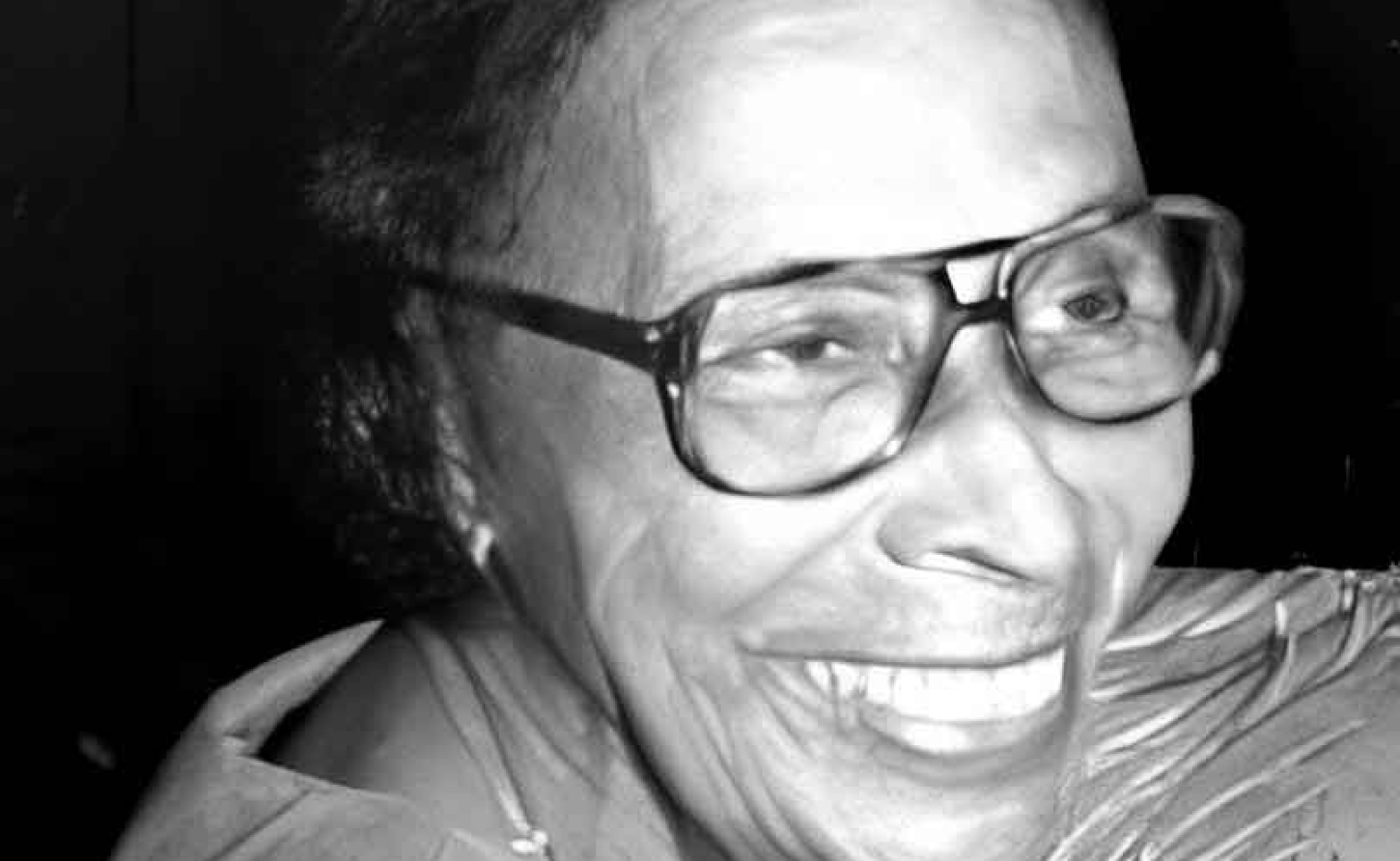
Iris Rhudella Collins-Williams (1915–2001), Jamaica’s first female Member of the House of Representatives, elected in 1944 for North Western St. James.
Remembering Jamaica’s first female Member of the House of Representatives
By O. Dave Allen
MONTEGO BAY, Jamaica, March 16, 2026 - St. James has long been one of Jamaica’s most politically dynamic parishes. From the early struggles for representation under colonial rule to the rise of mass politics after universal adult suffrage in 1944, the parish has repeatedly produced leaders who have helped shape the national political landscape.
 Yet among these figures stands a pioneer whose contribution has faded far too easily from public memory — Iris Rhudella Collins-Williams, the first woman ever elected to the Jamaican House of Representatives.
Born in Cambridge, St. James, on January 31, 1915, Iris Collins emerged from humble rural roots to make history in Jamaica’s first election under universal adult suffrage. She Represented North Western St. James under the banner of the Jamaica Labour Party in the historic 1944 general election.
Her victory was not merely symbolic. It was decisive and commanding.
It is important to note the remarkable margin of victory that Iris Collins secured in that election. In a crowded field of six candidates — and as the only woman contesting the seat — Collins won the constituency with 5,519 votes under the banner of the Jamaica Labour Party.
Her closest rival, Allan George St. Claver Coombs, running as an independent candidate, secured 1,683 votes, while the formidable Walter Fletcher of the Jamaica Democratic Party received 1,606 votes. The remaining candidates — Charles E. Agate (899 votes), William Aubrey Green-Spence (806 votes), and Howard Grosset (62 votes) — trailed far behind.
The result was even more striking given the stature of the men she defeated. Among them was Walter Fletcher, a powerful and influential figure in St. James who would later be appointed Custos of the parish. Notably, the People's National Party did not field a candidate in the constituency in that election.
For five years after the introduction of universal adult suffrage, Iris Collins stood as the only woman in Jamaica’s House of Representatives. It was not until 1949 that another woman, Rose Leon of the Jamaica Labour Party, would be elected to Parliament, becoming the second female MHR in the island’s political history.
But Iris Collins was not only a national pioneer. She was also closely connected to the development of communities in western St. James.
During her period of public service, the premises on which the Granville Primary and Infant School now stands were acquired from the Chambers family, paving the way for the establishment of the school which opened its doors in 1953.
The institution has since educated generations of children and remains one of the most important educational anchors in the Granville community.
In a parish that rightly celebrates many of its political leaders, it would be both fitting and historically just for St. James to honour the memory of Iris Collins in a meaningful way.
One appropriate gesture would be to rename the Granville Primary and Infant School in her honour.
Such recognition would acknowledge the contribution of a woman who broke one of the most significant barriers in Jamaica’s political history and remind future generations that leadership can emerge from rural communities and humble beginnings.
By honouring Iris Rhudella Collins-Williams, St. James would restore a missing chapter in its own political history and reaffirm its proud tradition as a cradle of democratic leadership.
-30-
