
JAMAICA | Holness must answer for Jamaica’s Cuba policy
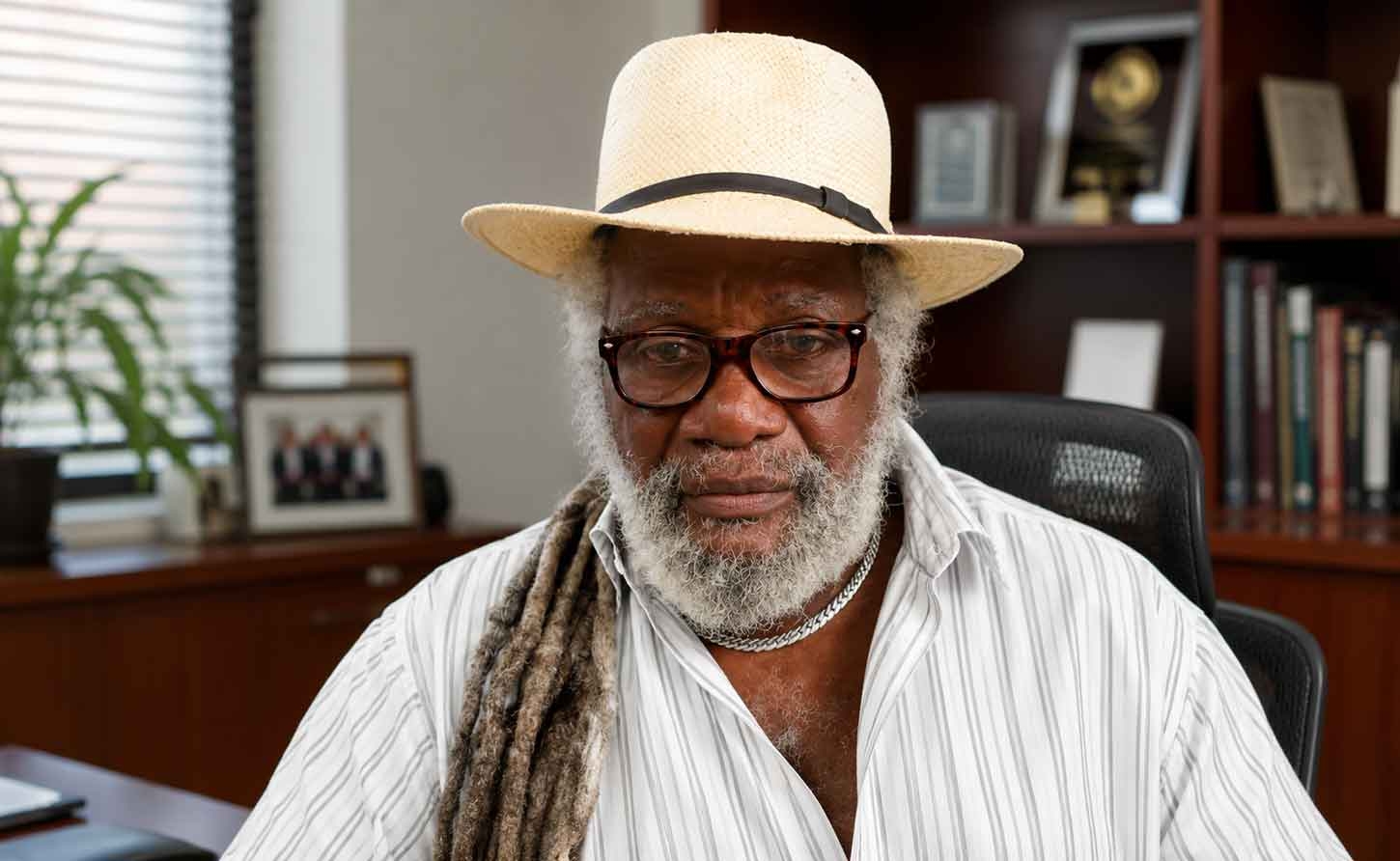
Author, O Dave Allen
MONTEGO BAY, Jamaica, November 17, 2026 | By O. Dave Allen | - Party applause is no substitute for parliamentary accountability. Andrew Holness took his defence of Jamaica’s Cuba policy to a receptive audience of Labour Party faithful. The setting suited the performance. It did not answer the question: why did a government that says it opposes the American embargo withhold Jamaica’s vote for ending it?
That question belongs in Parliament. The Prime Minister must defend this departure before representatives entitled to challenge him. A national policy cannot acquire legitimacy simply because the party faithful find its presentation reassuring.
Holness speaks of solidarity with Cubans while defending a decision that reduced diplomatic support for ending their economic isolation. He invokes independence while pursuing a course that aligns with Washington objectives. Calling that pragmatism does not resolve the contradiction.
The United Nations vote concerned the embargo. It was not a referendum on socialism or an endorsement of every action of Cuba’s government. Jamaica could oppose American economic coercion while criticising Havana. Foreign Minister Kamina Johnson Smith acknowledged that Jamaica could have supported the resolution while expressing reservations.
Former Prime Minister P. J. Patterson identified the difficulty: if Jamaica still opposes the embargo, why refuse to vote against it? The Government has yet to demonstrate how abstention improves the circumstances of Cubans or strengthens Jamaica’s capacity to secure dialogue.
We are told that repeated resolutions have failed. But Washington’s refusal to listen does not establish that easing diplomatic pressure will produce a better result. Where is the concession? What has Jamaica secured? A change of position is not, by itself, an achievement.
Meanwhile, families endure shortages and disrupted services. United Nations human rights officials have warned that fuel scarcity threatens health, food and water systems. Cuba’s domestic failures deserve examination. They do not excuse restrictions that deepen suffering. Ordinary people should not become instruments for forcing political change.
Holness’s language about freedom must also be examined alongside his endorsement of free markets. Cubans should not have to abandon socialism to qualify for relief from economic coercion. Their political future belongs to them. Jamaica’s preferred economic model gives us no authority to prescribe theirs.
The medical programme reveals another contradiction. Welcoming individual Cuban professionals does not preserve the bilateral arrangement Jamaica terminated. Cooperation between governments and individual employment contracts are different things. Reassuring language cannot erase that institutional change.
Marco Rubio’s campaign against Cuban medical missions forms part of this context. Holness himself acknowledged that American concerns prompted Jamaica’s review. His Government says unresolved legal and contractual problems determined the termination. Publish those problems and the remedies proposed. Workers deserve protection, and Jamaicans deserve evidence rather than competing assurances.
No secret bargain needs to be invented. The public record permits scrutiny of a pattern: retreat on the embargo, termination of the medical arrangement and greater emphasis on transforming Cuba. These choices accommodate American objectives. The Government must explain their independent Jamaican purpose.
This recalls the political logic associated with the Monroe Doctrine: Washington defining acceptable conduct in its neighbourhood and smaller countries adjusting accordingly. Jamaica must resist becoming a compliant participant. Our relationship with America matters, but so does our protection against the principle that power confers permission to dictate.
Parliament must debate this policy vigorously. Holness must explain what Jamaica gained, how Cubans benefit and which principles his Government will defend under pressure. Applause cannot answer those questions.
Until he does, his defence remains an exercise in making retreat sound courageous. Jamaica deserves a foreign policy whose independence is visible in its decisions. Sovereignty cannot be established by announcing it from a party platform. It must survive the moment when a powerful friend demands compliance.
-30-
