
JAMAICA | The PNP Must Give Democratic Socialism Substance
JAMAICA | The PNP Must Give Democratic Socialism Substance
MONTEGO BAY, Jamaica, September 18, 2026| By O. Dave Allen - Smarting from a bruising general election defeat, the battle-weary People’s National Party is finding its footing as His Majesty’s Loyal Opposition.
Its parliamentary voices are becoming more assertive, its internal forces are repositioning, and its supporters are searching for reasons to believe again.
As the party approaches its 88th-anniversary conference, the defining question is ideological. What does the PNP stand for, and what policies will reconnect it with disaffected Jamaicans while speaking convincingly to Generation Z?
Leadership speculation makes easy headlines. A credible answer to those questions will determine whether the party can regain public confidence.
There is considerable experience on the Opposition benches. Phillip Paulwell brings sober judgment and parliamentary knowledge to the management of Opposition business. Julian Robinson lends credibility to finance. Fitz Jackson offers an experienced voice on security, while Damion Crawford brings intellectual energy and thoughtful argument to education.
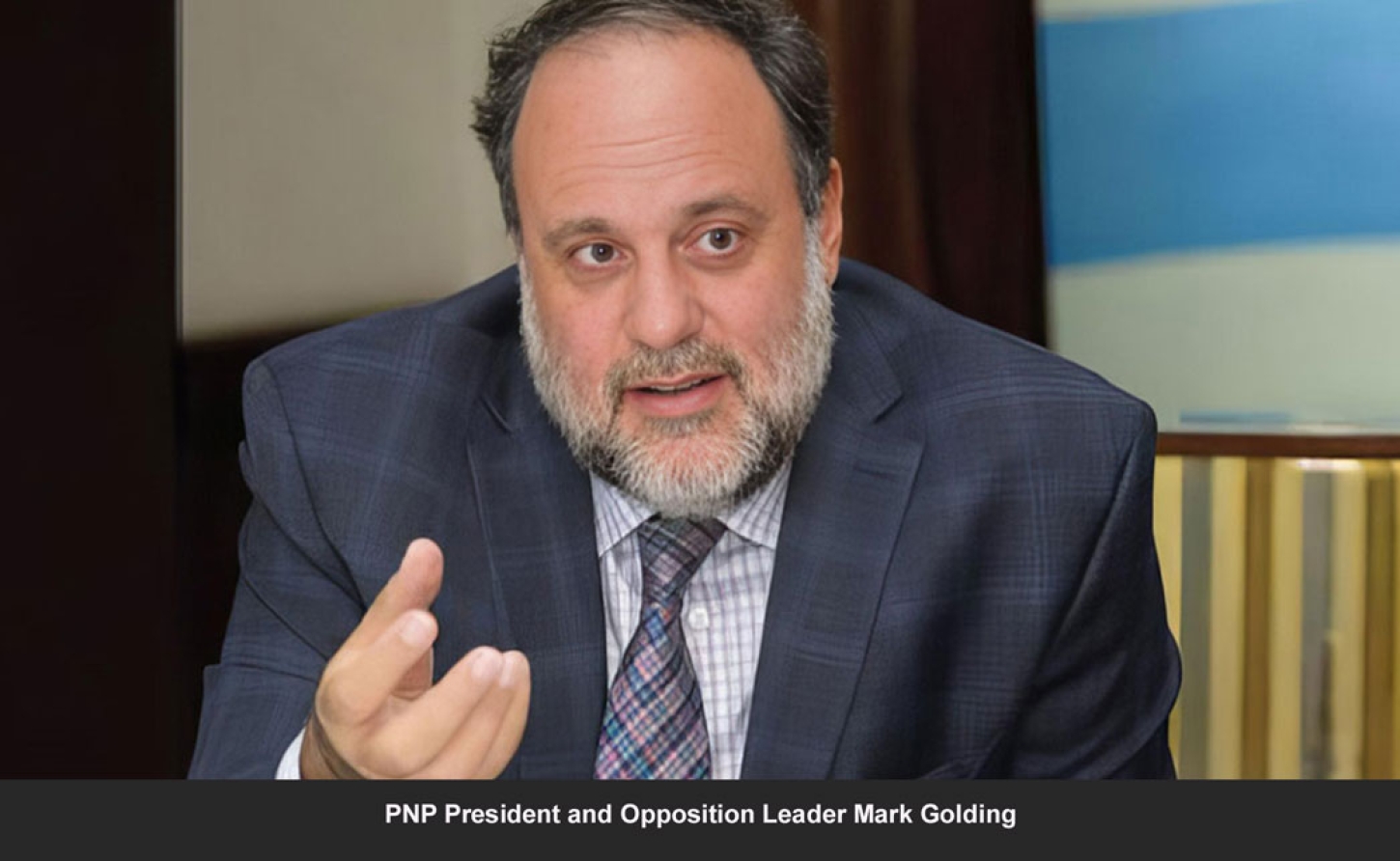
Mark Golding remains the quintessential legislator: sharp, meticulous and measured. His challenge is to translate those strengths into a political message that reaches people beyond Parliament.
Among the more vocal newcomers are Burchell, Isat Buchanan and Dr Alfred Dawes. They bring an assertiveness that can help energise the Opposition. Dawes adds a clinician’s perspective to the debate on healthcare. Their task is to turn forceful interventions into sustained scrutiny and credible alternatives.
Peter Bunting, in my assessment, has yet to establish a distinctive public identity for his portfolio. His experience should be producing a stronger national presence alongside the work of securing his Manchester political base.
Meanwhile, General Secretary Dr Dayton Campbell appears to be burnishing his public image as a settled family man. That may shape perceptions of him, but his political standing will ultimately depend on the condition of the organisation he helps lead. Can the party strengthen its constituency machinery, repair strained relationships and reconnect with people who have stopped listening?
Golding must bring these different personalities and strengths together around a common programme. Individual performances can win parliamentary exchanges. The party needs a coherent political direction to win back the country.
If the outcomes of the recently held regional executive conferences are any indication, an interesting year lies ahead. The PNP plainly retains an appetite for internal competition. It must now demonstrate an equal appetite for the demanding work of public persuasion.
Speculation about a confrontation between Crawford and Golding can distract from that responsibility. Ambition is normal in a political organisation. Treating every forceful contribution as evidence of a leadership challenge encourages suspicion where the party needs substantive debate.
This conference should establish the policy ground on which the PNP intends to fight.
Golding’s embrace of democratic socialism offers a clearer ideological direction. It also obliges him to explain what that commitment would mean in government.
The “Progressive Left” formulation introduced two years ago is, in my view, dead in the water. It will not cut it. It has not supplied the recognisable identity or compelling programme the party needs. A political description has limited value when ordinary people cannot explain what it would change in their lives.
Democratic socialism could suffer the same fate.
Some within the PNP remain uncomfortable with the label, and their reservations deserve a serious hearing. Fiscal discipline matters. Bureaucratic failure is real. Public ownership does not automatically produce public benefit. Ambitious promises can collapse under weak administration.
Golding must answer those concerns. He must also explain how economic stability can translate into greater security and opportunity for families struggling to afford housing, accumulate assets and build independent lives.
Zohran Mamdani’s electoral success in New York has given democratic socialism fresh political credibility. His campaign connected its principles to everyday pressures: rent, childcare, transport and affordability. It demonstrated that the label need not prevent electoral success when accompanied by an intelligible programme. Background on Mamdani’s campaign.
An election victory does not establish successful government, nor can Jamaica simply import New York’s policy prescriptions. The useful lesson is that ideological conviction can attract support when people understand its practical implications.
Golding must give his commitment Jamaican substance.
Land and housing provide an obvious starting point. What route to secure ownership will the PNP offer people whose earnings cannot support a conventional mortgage? Where do serviced lots, incremental building, cooperative housing and the regularisation of suitable settlements fit within its programme?
Families who have invested their labour and savings in communities deserve a credible account of how infrastructure and recognised tenure can be secured. Where environmental or safety conditions make regularisation unsuitable, they need workable alternatives.
That requires identified land, transparent eligibility rules, financing and realistic delivery targets. Residents must have a meaningful role in planning and implementation.
The same discipline must extend to employment and enterprise. What would the programme offer contract workers without security, small farmers struggling to reach markets, informal traders seeking suitable premises and young entrepreneurs without influential connections?
Democratic socialism must make sense to people trying to get ahead through their own effort. Wider access to productive assets, finance and reliable services would give the philosophy practical meaning. So would public institutions that respond promptly and account for their decisions.
Generation Z will judge the party through its own circumstances. Young Jamaicans are not a uniform constituency, and historical loyalty cannot be assumed.
Can they afford somewhere to live? Will education lead to worthwhile employment? Can they establish a business? Will public institutions treat them fairly? Can they imagine a future in Jamaica that does not depend on migration?
Those questions require answers more substantial than a slogan.
Golding’s positioning invites comparison with Michael Manley. That legacy offers powerful ideas about dignity, social justice and participation. It also requires honest consideration of difficult choices and practical constraints.
Golding must speak in his own voice. He cannot borrow Manley’s authenticity. He must establish his own through the quality of his proposals, his willingness to listen and the credibility of his commitments.
The conference should produce a small number of substantial policies. Each should explain who benefits, what it costs, how it will be financed and when results can reasonably be expected. Acknowledging trade-offs would strengthen the programme.
That would give the parliamentary team a shared purpose, organisers something concrete to take into communities and voters a basis for judging the party’s readiness to govern.
The “Progressive Left” formulation has run its course. Golding has chosen democratic socialism. He must now show Jamaicans what that choice would do for them.
-30-
