
JAMAICA | Eight Hours on the Tarmac: Venezuela's Flag Carrier Blasts Jamaica Over 'Unacceptable Treatment' at Norman Manley
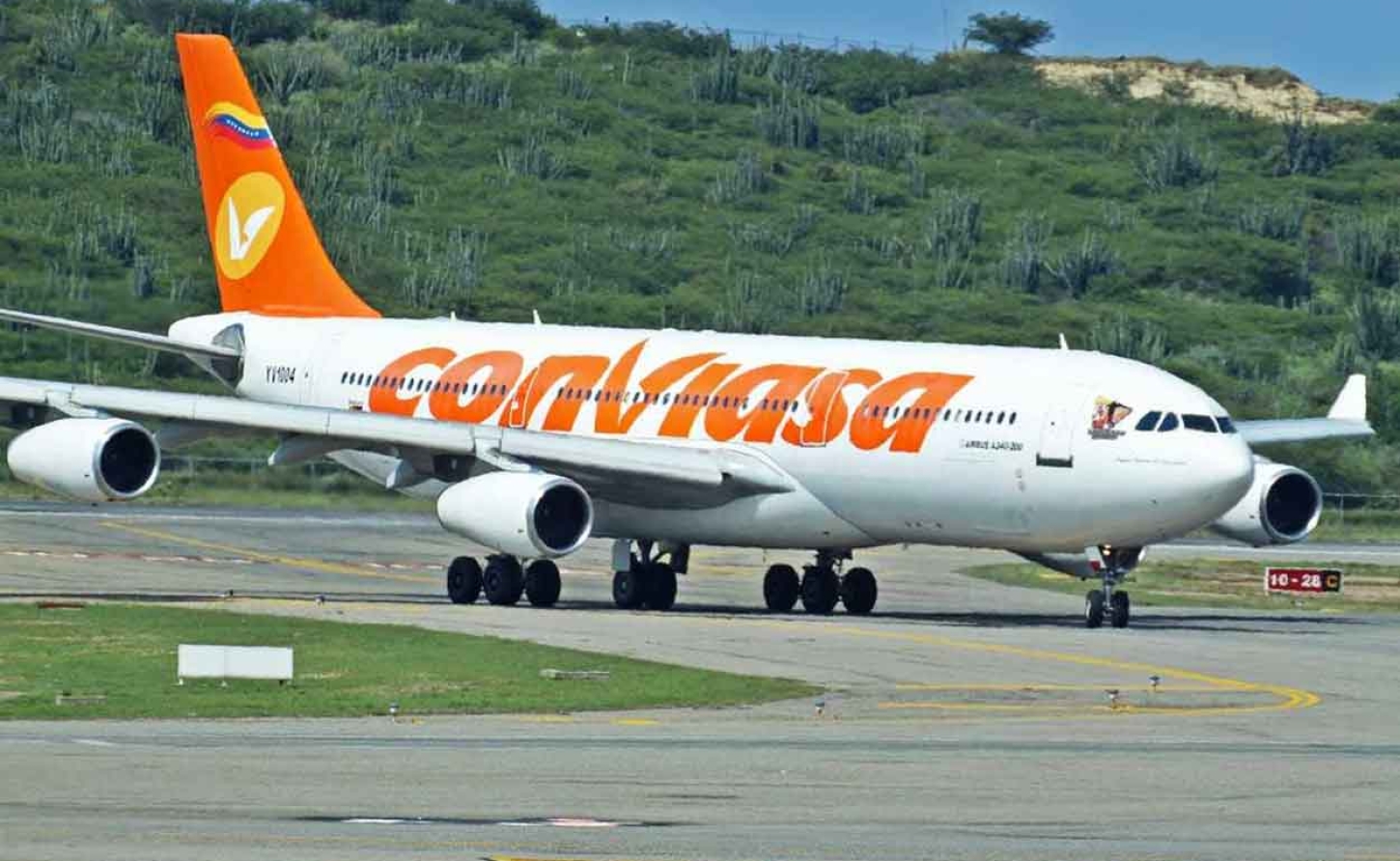
The Venezuelan Consortium of Aeronautical Industries and Air Services, S.A. (Conviasa), the flag carrier of the Bolivarian Republic of Venezuela was stranded in Kingston on Saturday June 6 2026 .
A diverted Cancún–Caracas flight, stranded passengers, a furious airline, and a Transport Minister still “awaiting a report” — Kingston's handling of the Conviasa incident raises hard questions about hospitality, accountability, and the cold shadow of Petrojam.
KINGSTON, Jamaica, June 9, 2026 | Calvin G. Brown | Caribbean News | — Jamaica markets itself to the world as the home of warm welcomes. On Saturday, June 6, at the Norman Manley International Airport, that brand collided with an uglier reality: a planeload of Venezuelan passengers left to languish on the ground for more than eight hours, in what their national airline has condemned as treatment falling far below the international standards Jamaica is obliged to uphold.
The aircraft, operated by the Venezuelan Consortium of Aeronautical Industries and Air Services, S.A. (Conviasa) — the flag carrier of the Bolivarian Republic of Venezuela — was flying the Cancún–Maiquetía route when it was diverted under what the airline describes as “unforeseen circumstances,” forcing an unscheduled landing in Kingston. What happened next, Conviasa says, compounded the crisis.
In a blistering statement issued from Caracas on Sunday, the airline reported “serious deficiencies” in the provision of airport services and ground handling at Norman Manley. Passengers, it said, “remained for more than eight hours in uncertain conditions, without adequate attention in accordance with international standards governing the protection of air transport users.”
'Strongest Condemnation'
Conviasa did not reach for diplomatic euphemism. It expressed its “strongest condemnation of the conduct of the competent authorities in Jamaica for failing to guarantee minimum conditions of assistance, dignified treatment, and operational support to passengers and the aircraft” — failures which, the airline charges, “significantly aggravated the situation and exposed Venezuelan citizens to unacceptable treatment.”
Strip away the formal language and the accusation is stark: ordinary travellers — not diplomats, not politicians — were left in limbo on Jamaican soil while the institutions responsible for their welfare looked the other way.
“Jamaica has maintained hostile conduct toward the Bolivarian Republic of Venezuela, including a history of dispossessing the Venezuelan State's rights and shareholding in the Petrojam refinery.” — Conviasa statement, June 7, 2026
Kingston Shrugs
The Government's response, when it finally came, did little to reassure. Transport Minister Daryl Vaz told the Gleaner on Monday — two full days after the incident — that he was still “getting a full report.” His understanding, he offered, was that the aircraft stopped to refuel, and he was at pains to stress that the Government had nothing to do with the arrangement: fuel at Norman Manley and Sangster, he noted, is supplied by private operators.
That answer deserves scrutiny. Whoever pumps the fuel, the state remains the custodian of its international gateways. Under the Chicago Convention, Jamaica bears responsibility for the treatment of passengers and aircraft within its territory. Pointing at private ground handlers does not discharge that duty — it merely outsources the blame. When more than a hundred passengers sit stranded for eight hours at the country's capital airport, “I'm awaiting a report” is not an answer. It is an admission that no one was minding the store.
The Petrojam Shadow
Conviasa's statement went beyond Saturday's tarmac. It accused Jamaica of “hostile conduct” toward Venezuela, citing what it called the “dispossessing” of Venezuela's rights and shareholding in the Petrojam refinery — a reference to Kingston's 2019 compulsory acquisition of PDVSA's 49 per cent stake, a wound Caracas has never allowed to heal.
One need not endorse that framing to recognise its potency. This was the same Venezuela whose PetroCaribe arrangement once cushioned Jamaica through brutal oil shocks, extending concessionary financing when few others would. For Venezuelans, the optics of their citizens stranded and neglected in Kingston — at an airport named for the father of Jamaican self-government — will read as confirmation of a pattern, fairly or not.
A Regional Test Jamaica Failed
The timing could scarcely be worse. Caribbean airspace has become a geopolitical minefield amid escalating tensions between Washington and Caracas, with regional carriers and travellers caught in the crossfire. In such a climate, the Caribbean's credibility rests on its ability to treat all who land on its shores — including citizens of states under external pressure — with professionalism and basic decency. CARICOM has long preached a zone of peace. A zone of peace that cannot manage a diverted airliner with dignity is preaching to an empty room.
Conviasa says it will pursue the matter before “competent national and international authorities.” Jamaica should not wait to be summoned. The Government owes the public — and the passengers — a full, transparent accounting: why the diversion occurred, why ground services failed, and why eight hours passed before anyone took charge. Anything less leaves Jamaica's famed hospitality looking like what cynics have always alleged: a product for tourists with hard currency, and no one else.
— 30 —
