
JAMAICA | Ruled Out, Shouted Down: PNP Warns Jamaica’s Parliament Is Bending Its Rules Toward Power
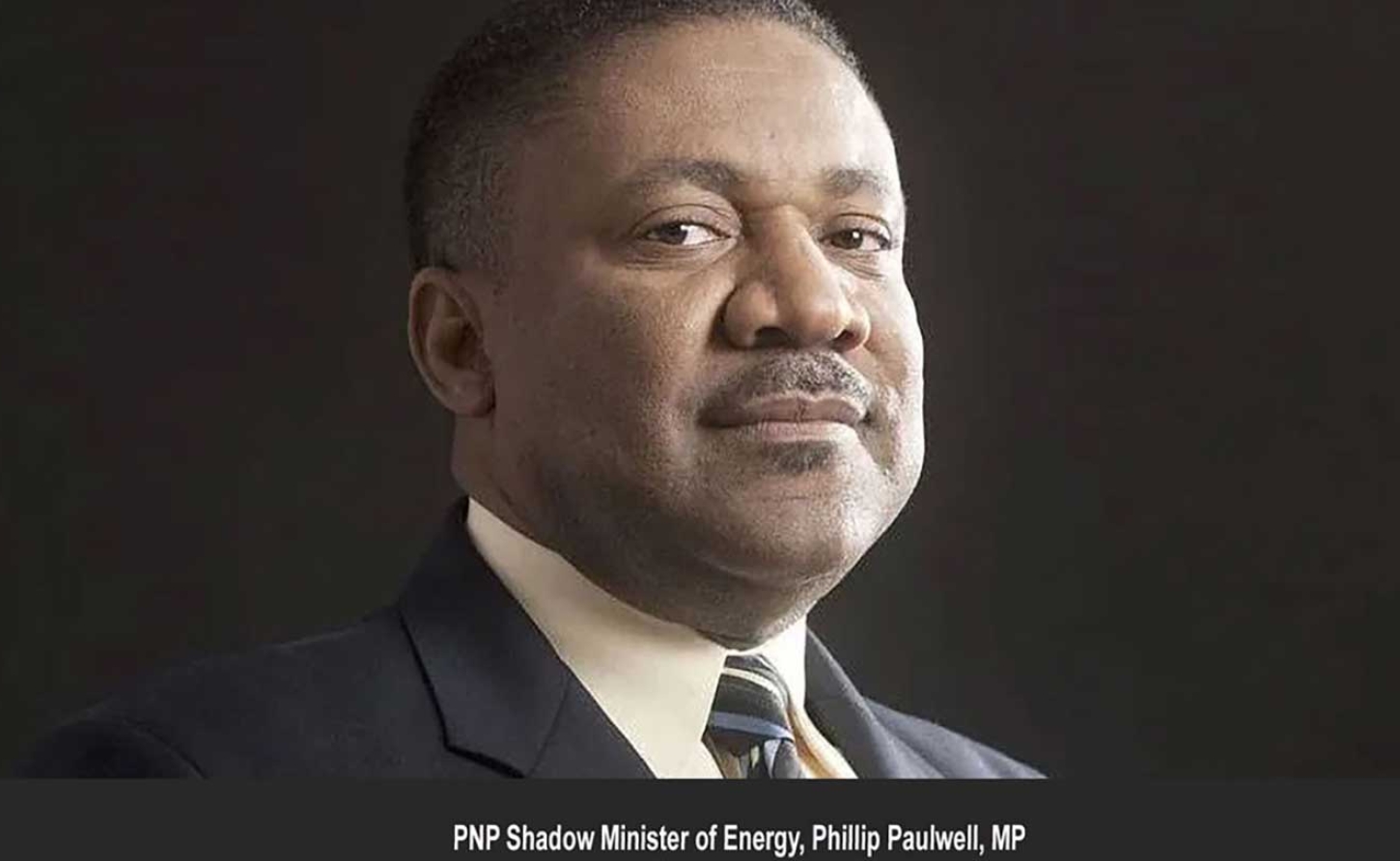
Leader of Opposition Business, Phillip Paulwell, first rose on a procedural matter and was shut down by the Speaker.
A procedural objection gagged before it could be spoken. A call for a recorded vote the Chair “did not hear”. A first-term MP warned across the floor not to cross a Government minister’s path “or else”. The Opposition says Tuesday’s sitting was no aberration — it was a pattern.
KINGSTON, Jamaica —By Calvin G. Brown | July 6, 2026 - Something is fraying at the heart of Gordon House, and the Opposition People’s National Party (PNP) has decided to name it.
In a strongly worded statement following Tuesday’s sitting of the House of Representatives, the party described the proceedings as “the latest in a troubling pattern of procedural inconsistency, selective enforcement of the Standing Orders, and conduct that undermines Parliament’s constitutional role” as Jamaica’s principal forum for accountability, scrutiny and debate.
The indictment rests on three incidents — each troubling on its own and, together, the Opposition argues, evidence of a Chamber where the rules now bend toward power.
Silenced Before Speaking
The first involved the Leader of Opposition Business, Phillip Paulwell, who rose to raise a procedural matter: the unexplained absence of the Integrity Commission’s latest report from the Order Paper, despite the report having been submitted to Parliament.
He never got to say so. Before Paulwell could identify his issue, the Speaker Juliet Holness ruled him out of order and directed that the matter be taken up privately with the Leader of Government Business.
The Opposition’s objection is elementary Westminster doctrine: a presiding officer cannot fairly determine a procedural objection she has refused to hear. Discretion, the PNP insists, must be exercised “fairly, impartially, and on an informed basis”.
That the smothered question concerned the Integrity Commission — the very body charged with policing the conduct of public officials — only deepens the unease. Reports from the Commission do not vanish from Order Papers by accident; and if they do, Parliament, not a private word between party managers, is where the explanation belongs.
The Division That ‘Was Not Heard’
The second incident followed a motion to approve a report from the Regulations Committee. When the question was put, several Opposition Members immediately called for a division — a recorded vote, the most basic instrument by which a parliamentary minority forces the majority onto the record.
The Speaker stated she had not heard the request and pressed on without one. The Opposition has demanded a review of Hansard and the official recording, maintaining that the call was made clearly and in time.
Divisions are not favours dispensed by the Chair; they are rights. A Chamber where a recorded vote can be waved away as unheard is a Chamber where accountability itself becomes optional.
' Doan' Cross His Path — Or Else’
It is the third incident, however, that has drawn the sharpest anger. Rather than answering the procedural questions, Government Members turned the subsequent debate into sustained personal attacks on Nekeisha Burchell, the first-term Member for South St James, who had been among those challenging the handling of the proceedings.
According to the PNP, Desmond McKenzie, pointing across the Chamber, warned Burchell that she should “not cross his path or else” — language the party says “can reasonably be interpreted as threatening and intimidating”, with no place in Jamaica’s Parliament. The Speaker, the statement notes, permitted the attacks to dominate a debate to which they bore little or no relevance.
Christopher Brown, MP, went further, condemning what he called the singling out of Burchell by former Speaker Marisa Dalrymple Philbert, which, he said, “to my mind amounts to inciting and represents an unfortunate direct mobilization of possible attacks, within a society where violence is often the first choice for conflict resolution”.
Burchell is no stranger to the Chair’s displeasure. In May, Speaker Holness stopped the South St James MP from delivering part of her maiden speech in Jamaican Patois — an episode that travelled from Gordon House to the pages of the UK Guardian and the airwaves of Canada’s CBC.
Barely a month later, the woman who unseated the JLP’s Homer Davis finds herself facing what her party describes as intimidation for doing precisely what her constituents elected her to do.
“This is not about personalities. It is about protecting Parliament as an institution.”— PHILLIP PAULWELL, MP, LEADER OF OPPOSITION BUSINESS
An Institution on Trial
“Every Member, regardless of political affiliation, has the right to be heard, seek procedural clarification, and expect the Standing Orders to be applied fairly and consistently,” Paulwell said.
Rose Shaw, MP, added: “No Member of Parliament should face intimidation or selective enforcement of the rules for carrying out their constitutional duty. Our concern is not simply for one Member, but for the integrity of Parliament and the rights of every elected representative.”
The PNP has pledged to resist what it calls “the oppressive and undemocratic management of the affairs of the House of Representatives” and to defend Burchell against further intimidation. But the deeper warning deserves a hearing well beyond partisan lines.
Parliamentary rules exist to facilitate debate, protect minority rights and secure accountability. When they are enforced selectively — silencing inconvenient questions, mishearing inconvenient votes, indulging convenient attacks — what remains is not a Parliament but a stage set.
Jamaica’s democracy has long been anchored by the assumption that Gordon House is where power answers to the people. Tuesday’s sitting suggests that anchor is dragging — one unheard voice at a time.
— 30 —
