CARIBBEAN | The Oil Blockade Boomerang: How Trump's Venezuela Stranglehold Threatens Caribbean Sovereignty
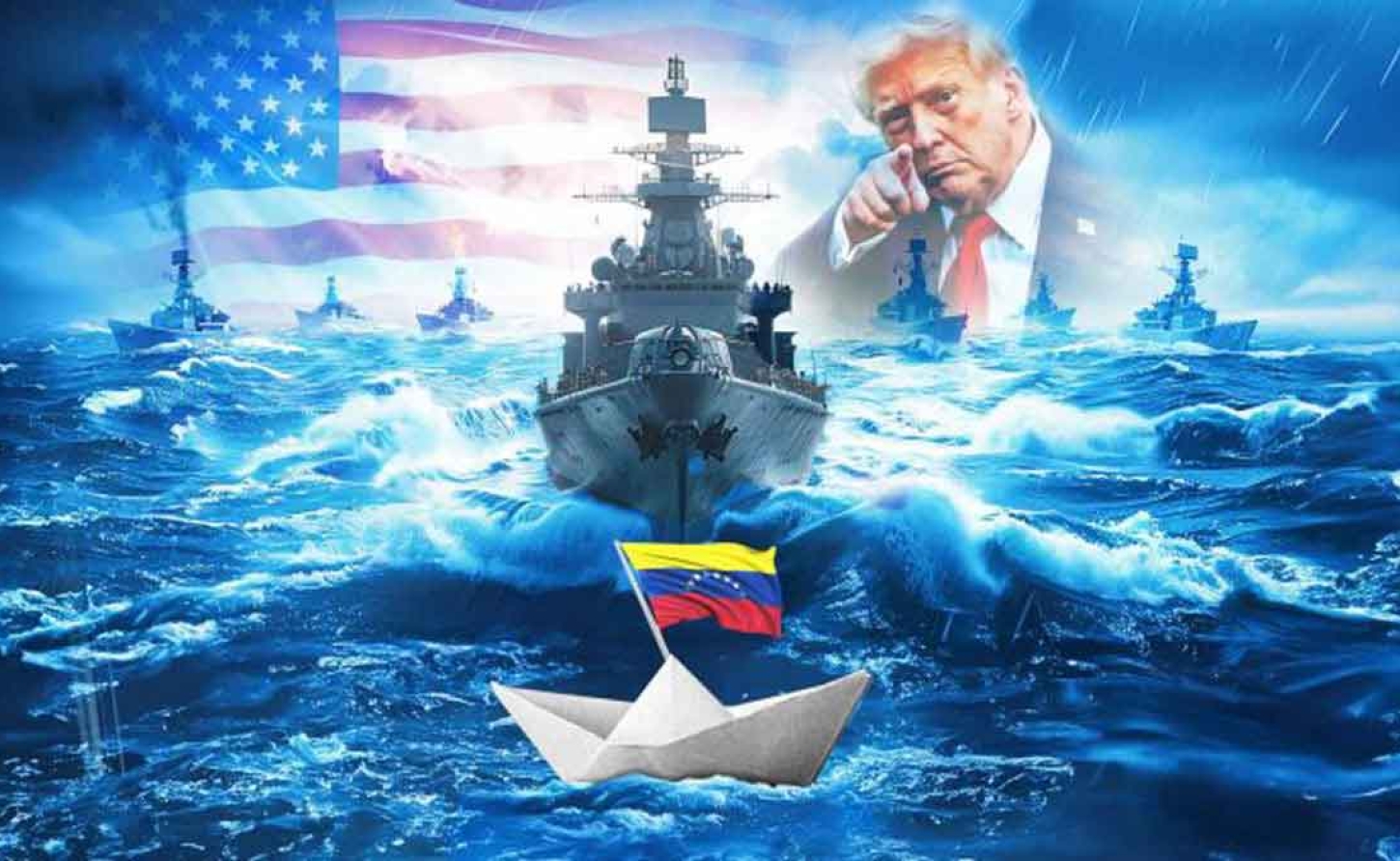
CARIBBEAN | The Oil Blockade Boomerang: How Trump's Venezuela Stranglehold Threatens Caribbean Sovereignty
As Bernie Sanders warns against illegal war, the Caribbean watches its worst nightmare unfold in real-time
MONTEGO BAY JAMAICA - December 26, 2025 - The scene unfolding in Caribbean waters should terrify every leader from Kingston to Port of Spain. The largest US military armada assembled in the region since the 1962 Cuban Missile Crisis now surrounds Venezuela—15,000 troops, the USS Gerald R. Ford supercarrier, a dozen warships, and scores of aircraft positioned for what increasingly looks like an invasion dressed up as counter-narcotics operations.
Since September, US forces have launched more than 22 drone and missile strikes against vessels in the southern Caribbean and eastern Pacific, killing at least 90 people. On December 16, President Donald Trump made explicit what the body count had already suggested: "A TOTAL AND COMPLETE BLOCKADE OF ALL SANCTIONED OIL TANKERS going into, and out of, Venezuela."
But here's what makes this moment uniquely dangerous for the entire Caribbean: Trump's justification for the blockade rests on a brazen lie about oil theft—and if that lie works against Venezuela, no sovereign nation in the region is safe.
The Big Lie: "They Took All Our Oil"
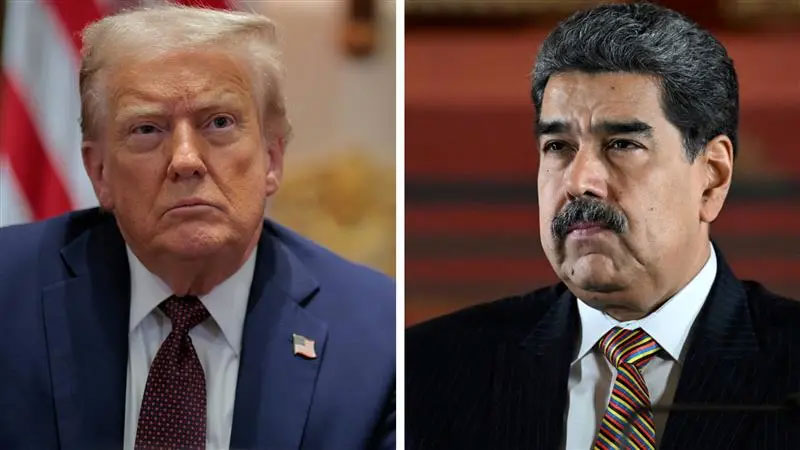
US President Donald Trump and Venezuela's President Nicolas Maduro
The historical record tells a different story. Venezuela nationalized its petroleum industry in 1976 under President Carlos Andres Perez during the global oil boom—nearly 50 years ago, not "not that long ago." The state-owned Petroleos de Venezuela (PDVSA) was established to control what belonged to Venezuela in the first place: Venezuelan oil, extracted from Venezuelan territory.
American companies had indeed operated there for decades, extracting enormous wealth while leaving Venezuelans in poverty. Nationalization meant taking back control of national resources—a sovereign right exercised by nations from Norway to Saudi Arabia.
And here's the kicker: The United States continued importing Venezuelan oil for decades after nationalization. Even today, despite years of crippling sanctions, US companies still import Venezuelan crude. Chevron alone, operating under special US government licenses, has exported multiple cargoes of Venezuelan heavy crude to American refineries just this month.
According to industry data, the US imported approximately 150,000 barrels per day from Venezuela as recently as October 2025. Meanwhile, 76% of Venezuela's oil exports go to China, with smaller amounts to India, Spain, and Cuba. Venezuela hasn't "stopped sending oil to America"—America has spent years trying to strangle Venezuela's oil sector through sanctions, then deployed military force to complete the job.
Trump's claim that Venezuela "stole" American oil is the colonial mindset laid bare: the assumption that Latin American resources belong to Washington by divine right, and any assertion of sovereignty constitutes theft.
Bernie Sanders: The Lone Voice Against Madness
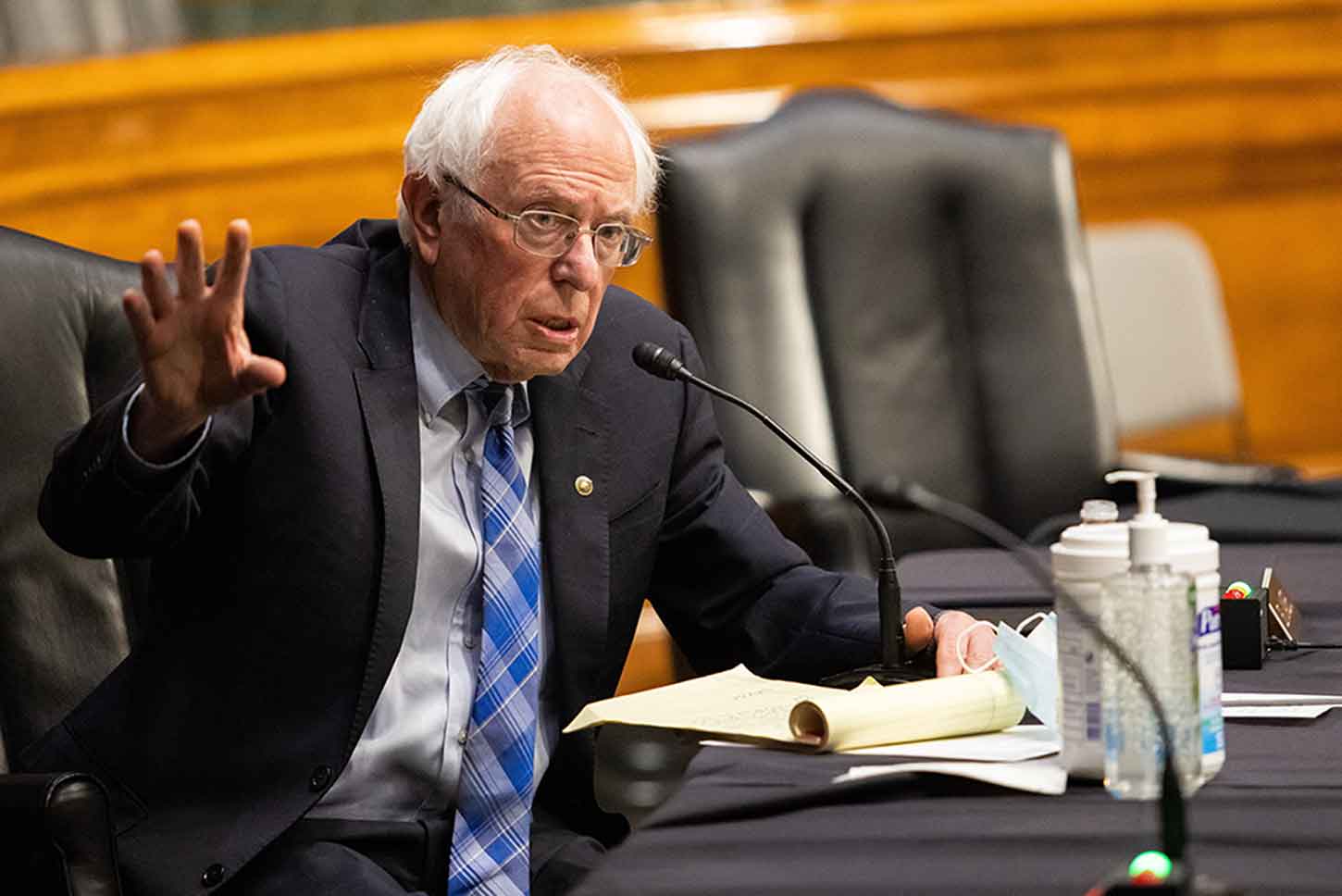
Senator Bernie Sanders is one of the few American voices willing to call this campaign what it is: illegal, unconstitutional, and profoundly dangerous.
"Trump is illegally threatening war with Venezuela — after killing more than 50 people in unauthorized strikes at sea," Sanders wrote on social media in mid-December. "The Constitution is clear: Only Congress can declare war. Congress must defend the law and end Trump's militarism."
In an interview with HuffPost, Sanders was even more direct about Trump's real motivations: "They think the most powerful nation in the hemisphere has the right to dominate all of the other countries. I think that that is absurd, outrageous, and anti-democratic. I think he let the cat out of the bag by saying he's interested in protecting his oil company friends and seeing what they can get out of Venezuela. We don't go to war to protect the billionaires."
Sanders issued a formal statement on December 14 after members of the Vermont Air National Guard received deployment orders connected to Venezuela: "After campaigning against 'endless wars,' the Trump administration is threatening a military intervention in Venezuela, which may include the Vermont Air National Guard. I will do everything I can to prevent that conflict."
His statement continued with a litany of domestic crises being ignored while Trump focuses on regime change: "Health care premiums are set to double for Vermonters through the Affordable Care Act. Many millions on Medicaid may lose their health insurance next year. Housing and child care are outrageously expensive. Instead of addressing the crises facing the American people, Trump is focused on engaging in an illegal armed conflict."
Sanders knows his history. As mayor of Burlington in the 1980s, he spoke out against Reagan's dirty war in Nicaragua. His warnings now echo those earlier battles: "The United States has a long history of inappropriately intervening in Latin American countries; we must not go down that road again."
He's invoked the ghosts of Chile, Guatemala, Brazil, and the Dominican Republic—nations where American-backed coups and interventions destroyed democracies and killed thousands. The pattern is unmistakable, and Sanders sees it repeating in real-time.
The Gangster Presidency: "We Keep It, I Guess"
If Sanders sees historical patterns, Trump's own words reveal something even more sinister: outright piracy masquerading as policy.
On December 11, US forces seized the Venezuelan oil tanker Skipper in international waters in a dramatic raid involving personnel rappelling from helicopters. The vessel carried approximately 2 million barrels of crude oil worth roughly $78 million, destined for Cuba and linked to sales that fund Venezuela's government.
When asked what would happen to the seized oil, Trump replied with the casual brutality of a mob boss: "Well, we keep it, I guess."
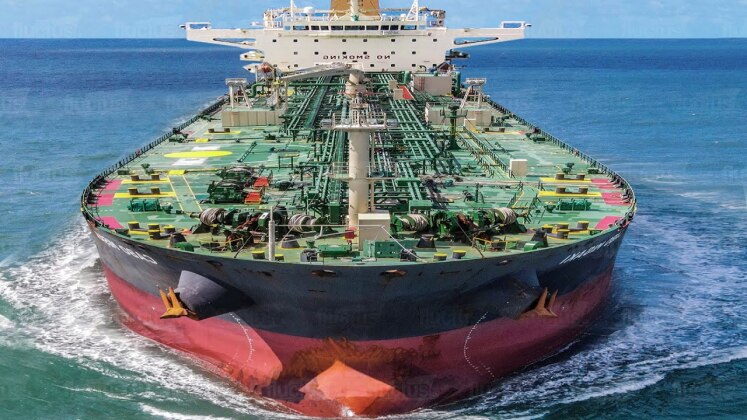
oil tanker
Venezuela denounced the interception as "a serious act of international piracy," and lodged formal complaints with the United Nations Security Council, the International Maritime Organization, and other international bodies. China's foreign minister defended Caracas, stating: "China opposes all unilateral bullying and supports all countries in defending their sovereignty and national dignity."
But the real impact is being felt by Venezuela's already-battered economy. According to Reuters, oil tanker movements into and out of Venezuelan waters have nearly ground to a halt. Vessels loaded with about 11 million barrels of oil and fuel sit stuck in Venezuelan ports, their crews afraid to venture into international waters where US Navy warships patrol.
Only Chevron-chartered tankers—operating under US government authorization—continue to move freely, exporting Venezuelan crude directly to American refineries while Trump claims Venezuela refuses to send oil to the United States.
Caribbean Sovereignty: The Real Target
Caribbean leaders should be watching this unfold with cold terror because Venezuela is the test case. If Trump can blockade a sovereign nation, seize its commercial vessels in international waters, kill dozens at sea without congressional authorization, and justify it all with transparently false claims about stolen resources—what's to stop similar treatment of Trinidad and Tobago? Jamaica? Any nation that dares assert economic independence?
The precedent being established is chilling: the United States claims the right to use military force to control resource flows in "its hemisphere," regardless of international law, sovereign rights, or constitutional limits on presidential war-making.
Trump's National Security Strategy makes this explicit with what it calls a "Trump Corollary to the Monroe Doctrine," announcing a goal of restoring "American preeminence in the Western Hemisphere" and denying China "the ability to" expand influence in the region.
Translation: The Caribbean is America's playground, and any nation that trades with China, sells resources to Asia, or pursues independent foreign policy will face consequences.
Consider the implications:
- Trinidad and Tobago exports significant energy resources. What happens when Washington decides those resources should go to American companies instead?
- Jamaica is deepening trade relationships with China. At what point does that become justification for "counter-narcotics operations" off Kingston's coast?
- CARICOM nations are exploring yuan-denominated trade to reduce dollar dependence. Will that be labeled a threat to American interests?
Venezuela's crime wasn't stealing American oil—that's a fabrication. Venezuela's crime was asserting sovereignty over its own resources and choosing its own trading partners. That's the precedent being established, and every Caribbean leader should be asking: Are we next?
The Deafening CARICOM Silence
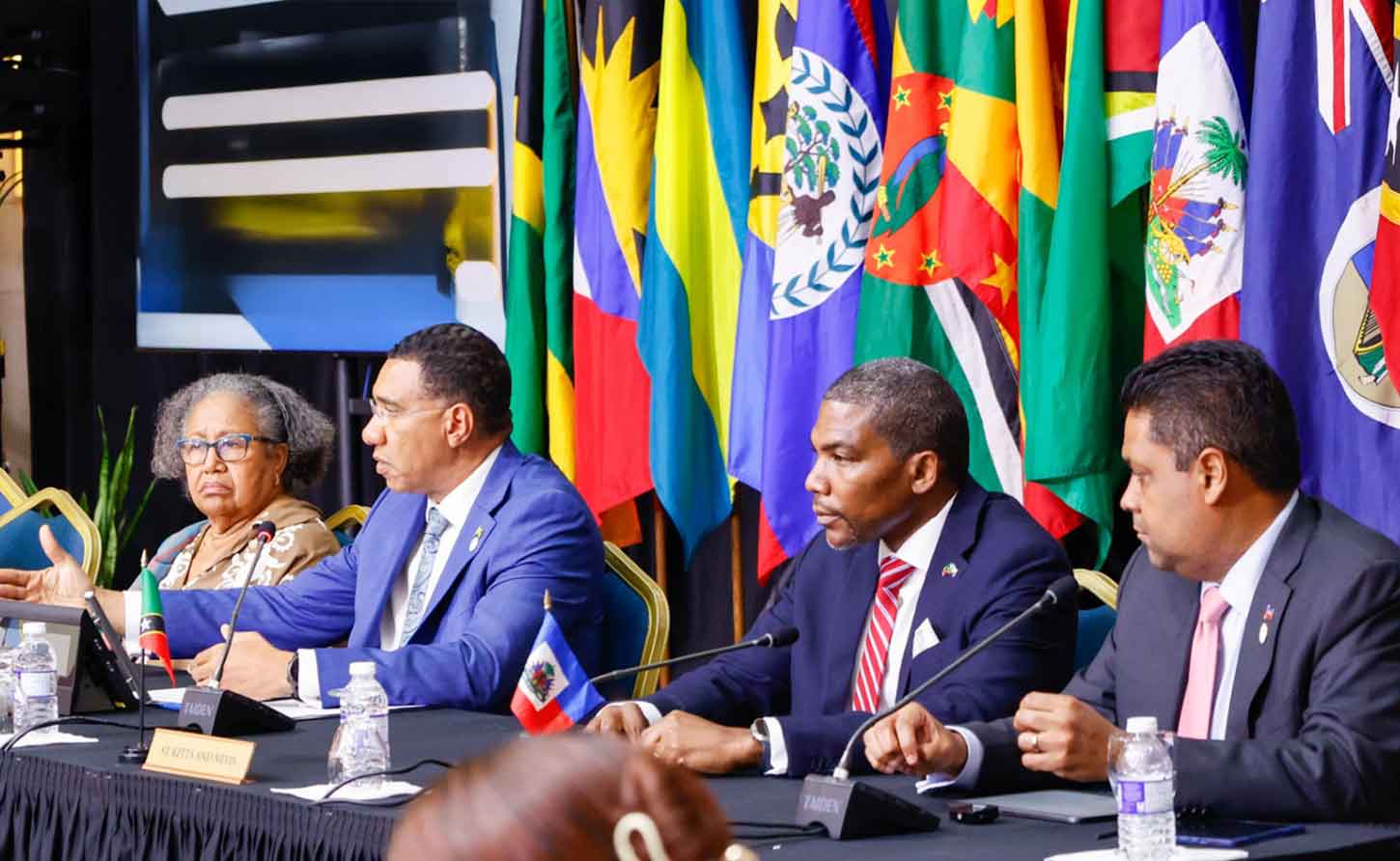
Interim Chair of the Caribbean Community Jamaica's Prime Minister Andrew Holness (asecond left) and Secrfetary General of the CARICOM community, Dr. Carla Barnett.
Yet when the United States deploys the largest military force in regional waters since the Cuban Missile Crisis, when 90 people are killed in unauthorized strikes, when a sovereign nation faces invasion—CARICOM says nothing.
Mexican President Claudia Sheinbaum found her voice, declaring that the United Nations was "nowhere to be seen" and calling for international action to "prevent any bloodshed." But from the Caribbean's own leadership structure? Crickets.
Perhaps they fear American retaliation. Perhaps they believe silence will protect them. Perhaps they've calculated that Venezuela is too isolated, too controversial, too easy to ignore.
But history teaches a brutal lesson: When powerful nations establish precedents for violating sovereignty, the violations don't stop with the first target. They expand.
What's Really at Stake
Venezuela holds the world's largest proven oil reserves—more than 300 billion barrels. Beyond oil, the region possesses vast reserves of lithium and copper, materials essential for semiconductors, batteries, and the green energy transition that will define the 21st century economy.
China is Venezuela's largest creditor, having provided over $62 billion in loans since 2005, largely repaid through guaranteed oil sales. China currently purchases 80% of Venezuela's oil exports. Russia has invested billions in Venezuelan energy infrastructure.
Trump's campaign isn't about drugs or democracy or fighting "narco-terrorism." It's about control of strategic resources and denying them to geopolitical competitors. Sanders understands this; that's why he accused Trump of going to war "to protect his oil company friends."
The Trump administration has dispensed with even the flimsy pretenses the Bush administration constructed before invading Iraq. There's no UN debate, no coalition building, no attempt at international legitimacy. Just raw force, justified by transparent lies about stolen oil.
The Caribbean's Moment of Truth
Sanders warned that Congress must "defend the law and end Trump's militarism." He joined Democrats and independent Angus King in voting for legislation to block unauthorized military action against Venezuela. It failed. Republican lawmakers and Democrat John Fetterman voted it down.
A second bipartisan resolution aimed at halting strikes and "hostilities in or against Venezuela" without congressional approval was rejected by the GOP-controlled House of Representatives.
The checks and balances have failed. Constitutional limits have been ignored. International law is irrelevant. And the Caribbean watches as a blueprint for regional domination is written in Venezuelan waters.
Every leader from Port of Spain to Nassau now faces a choice: speak up for the principle that sovereignty matters, or accept that the Monroe Doctrine has returned with 21st-century weapons systems and a president who thinks oil reserves in neighboring countries are his for the taking.
Sanders put it plainly: The most powerful nation in the hemisphere doesn't have the right to dominate all others. That principle is either true for everyone, or it means nothing at all.
The Caribbean has historically prided itself on peaceful democratic transitions, respect for sovereignty, and multilateral cooperation through CARICOM. Venezuela's current crisis—manufactured in Washington, executed with overwhelming military force, justified by brazen lies—tests whether those principles have any meaning when power politics come calling.
If the blockade succeeds, if Trump's oil grab works, if the international community accepts military force as a legitimate tool for resource control in the Western Hemisphere, then every Caribbean nation with resources worth taking becomes a potential target.
That's not paranoia. That's the precedent being established right now, in waters just miles from Caribbean shores, backed by the largest military force the region has seen in 60 years.
Sanders is fighting this illegal war in Washington. But the real fight—the fight for whether sovereignty still means something in the Caribbean—will be won or lost based on whether regional leaders find their voices before it's too late.
The question isn't whether Trump will stop with Venezuela. The question is who's next, and whether anyone will still be speaking up for sovereignty when the warships arrive.
The silence from Port of Spain, Kingston, and other Caribbean capitals isn't neutrality. It's complicity in the death of regional sovereignty. And once that precedent is set, no amount of diplomatic language will resurrect it.
-30-
