GUYANA | State Media Held to Account: Guyana Court Awards $10M in Defamation Case Against Government
GUYANA | State Media Held to Account: Guyana Court Awards $10M in Defamation Case Against Government
Ruling exposes the dangerous gap between political privilege and state accountability
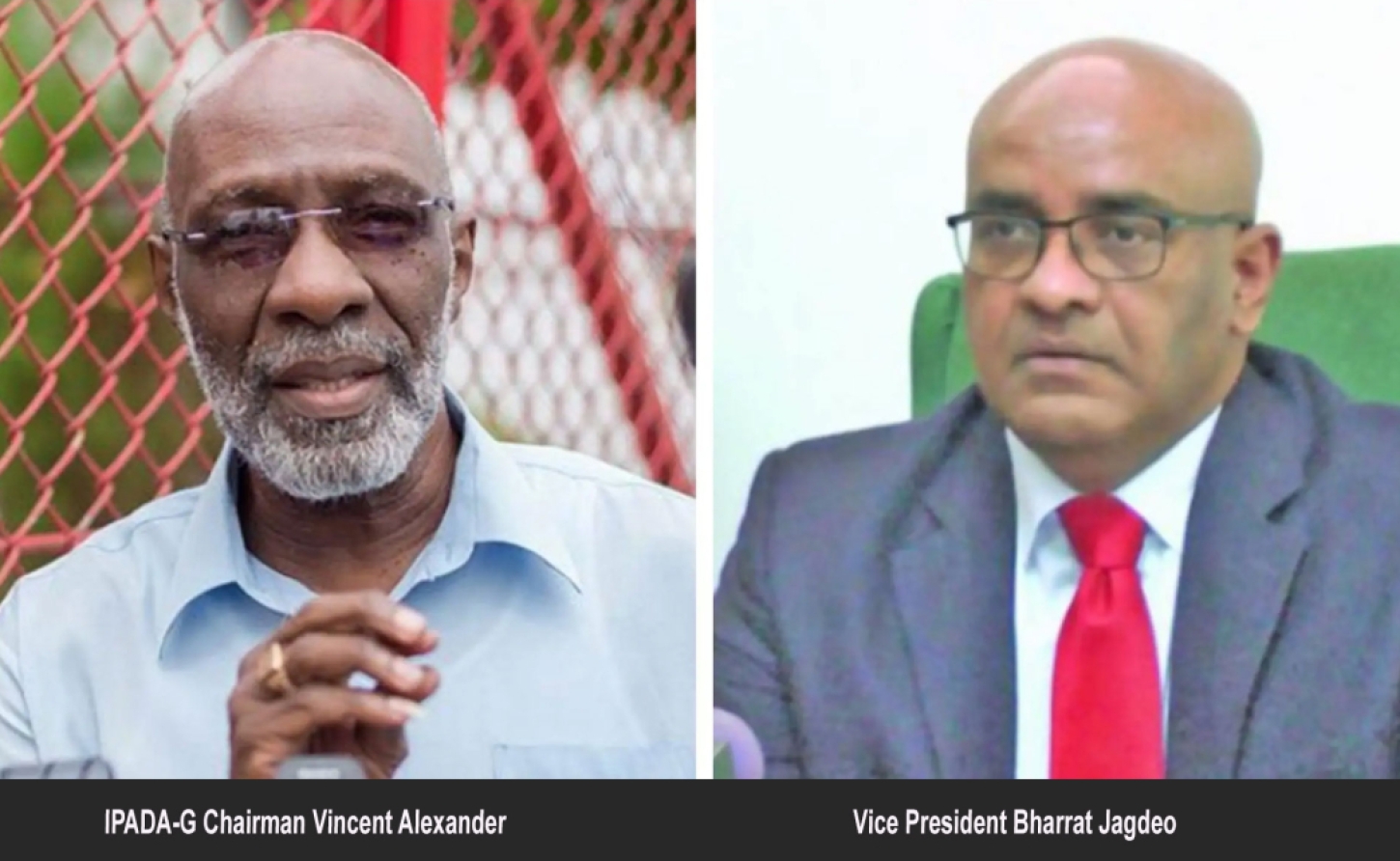
GEORGETOWN, Guyana, January 14, 2026 - The High Court of Guyana has delivered a pointed rebuke to the machinery of state propaganda, ordering the Department of Public Information and the Attorney General to pay $10 million in damages to Vincent Alexander after finding them jointly liable for defamation.
Justice Fidela Corbin-Lincoln's January 12 ruling lays bare an uncomfortable truth about power and accountability in the Caribbean: while politicians may shelter behind the cloak of qualified privilege, the state apparatus they deploy to damage citizens' reputations enjoys no such protection.
The Architecture of Reputational Destruction
The case stems from an August 2022 interview in which then Vice President Bharrat Jagdeo made statements that Justice Corbin-Lincoln found falsely portrayed Alexander as "dishonest, unethical, and as personally benefiting from public funds" allocated to IDPADA-G, the International Decade for People of African Descent Assembly–Guyana.
DPI amplified these accusations through an article bearing the inflammatory headline: "IDPADA-G, Cuffy 250 Committee officials using the cause of Afro-Guyanese to enrich themselves."
The court found DPI failed to establish any recognised defence—not justification, not fair comment, not innocent dissemination. The state media organ, it ruled, simply published damaging falsehoods and must now answer for them.
The Privilege Paradox
Yet here lies the ruling's most troubling dimension. While the state entities were held accountable, Jagdeo himself walked free from personal liability.
The court accepted that his statements were delivered on an occasion of qualified privilege—made in his capacity as a public official addressing matters of public interest—and that Alexander had failed to adequately plead or prove malice.
The practical effect is striking: a Vice President can make defamatory statements, have those statements broadcast through state media, and emerge personally unscathed while the taxpayer-funded entities that amplified his words bear the financial consequences.
The politician is shielded; the public purse pays.
This is not accountability. It is the socialisation of reputational harm—where the cost of political attacks is transferred from those who launch them to the citizens who fund the state.
Beyond the Courtroom
The ruling carries implications that extend far beyond Alexander's vindication. DPI has been ordered to remove the offending interview from its website by January 16, 2026—a small but significant acknowledgment that state media cannot operate as an unchecked weapon in political warfare.
For Alexander, a founding member of IDPADA-G who had sought $100 million in damages from Jagdeo and $50 million from DPI, the $10 million award represents a fraction of what he claimed.
Yet the true victory may lie not in the quantum but in the principle established: state media entities remain legally accountable for defamatory publications, regardless of who originally uttered the words.
The award of $500,000 in costs against DPI, offset by Alexander's obligation to pay Jagdeo $350,000, further illustrates the asymmetry at the heart of this case. The citizen who successfully proves defamation must still compensate the politician whose statements defamed him.
The Larger Question
Justice Corbin-Lincoln's ruling reinforces that public officials may comment on matters of public concern. But it also confirms that when state resources are mobilised to destroy a citizen's reputation, consequences must follow.
The question Caribbean democracies must now confront is whether qualified privilege has become a licence for reputational assassination by proxy—where the powerful speak, the state amplifies, and accountability falls everywhere except where power actually resides.
-30-
