
CARICOM | America's Iron Curtain: Jamaica Frozen Out While Oil-Rich Neighbours Get a Pass
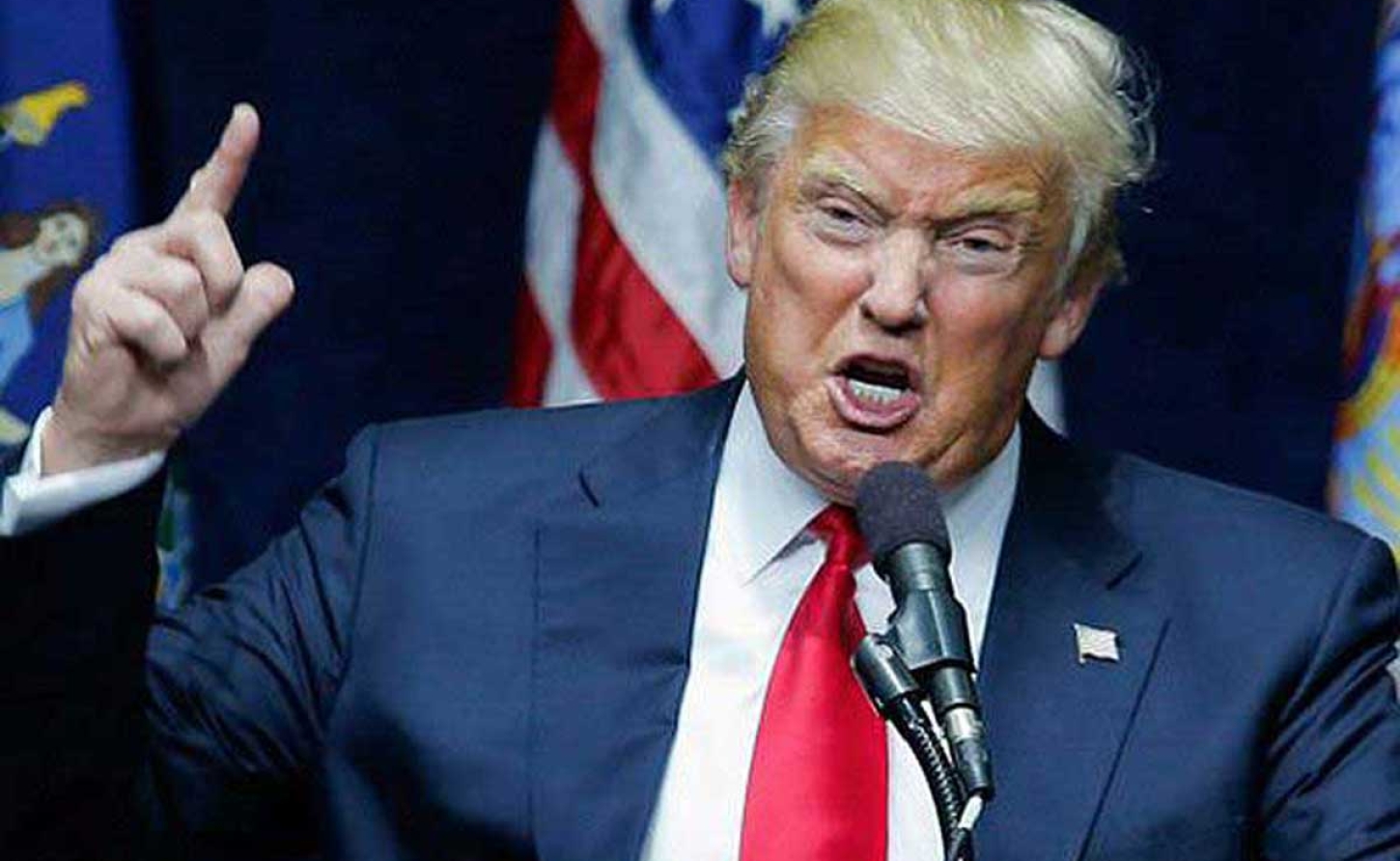
United States President Donald Trump freezes immigrant visas from 75 countries, except Trinidad and Guyana.
US indefinitely suspends immigrant visas for 11 CARICOM nations—but spares Trinidad and Guyana
CARICOM, January 14, 2026 - The American Dream just got a "closed until further notice" sign slapped on it for Jamaicans. Effective January 21, the United States will indefinitely suspend immigrant visa processing for nationals of 75 countries—and Jamaica sits squarely on that list alongside 10 other CARICOM member states.
The justification? Washington claims it must protect American taxpayers from foreigners who might "extract wealth" from the system. The glaring exceptions? Oil-and-gas-rich Trinidad and Tobago and Guyana walk away untouched.
The Regional Fracture
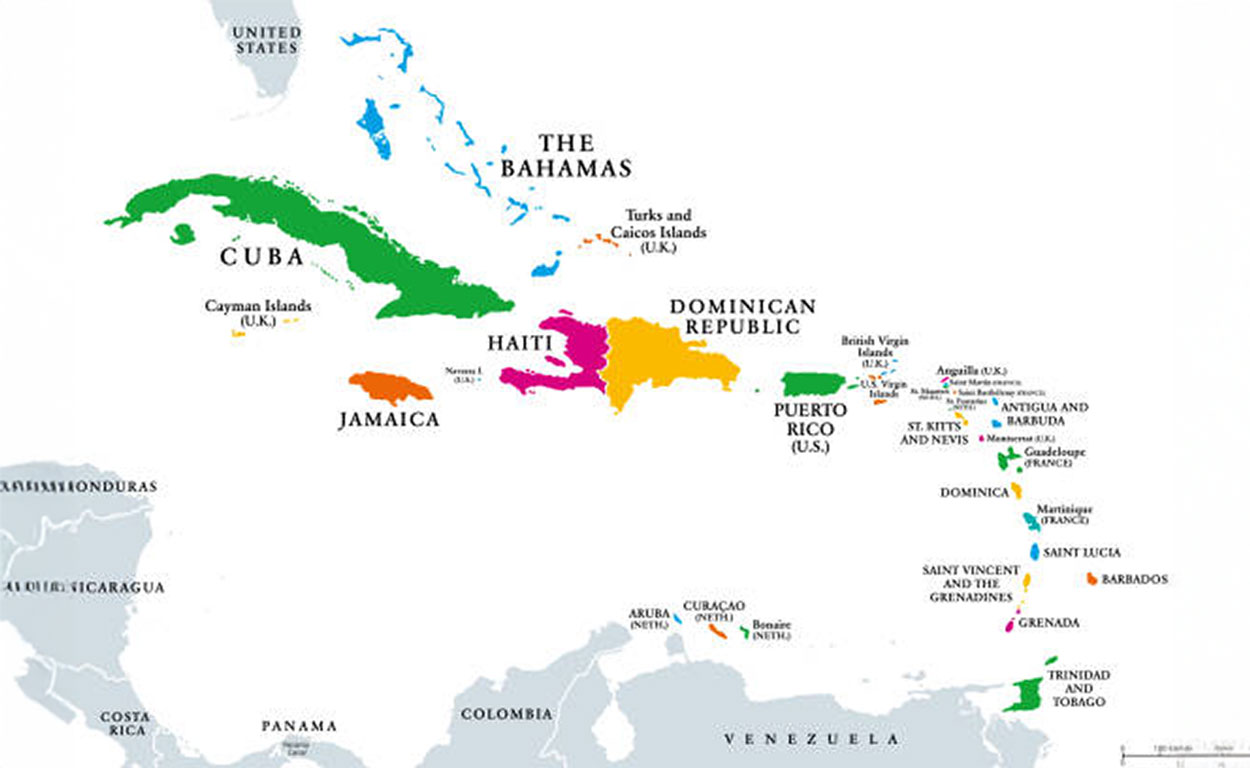 The freeze reads like a roll call of Caribbean vulnerability: Jamaica, the Bahamas, Barbados, Belize, Dominica, Grenada, Haiti, Antigua and Barbuda, St. Kitts and Nevis, St. Lucia, and St. Vincent and the Grenadines. Eleven of CARICOM's fifteen member states, locked out indefinitely. Only Trinidad and Tobago, Guyana, Suriname, and Montserrat escape the dragnet.
The optics are impossible to ignore. Two nations with booming petroleum sectors get a pass while remittance-dependent economies are branded potential public charges.
State Department spokesman Tommy Pigott framed the suspension as ending "the abuse of America's immigration system by those who would extract wealth from the American people." The language is as deliberate as it is insulting—casting Caribbean migrants not as contributors to American prosperity, but as parasites upon it.
Jamaica's Stakes
For Jamaica, this is not abstract policy—it is economic and human catastrophe in slow motion. Remittances constitute the lifeblood of the Jamaican economy, with over US$3.3 billion flowing into the island annually, representing roughly 16 percent of GDP. The United States alone accounts for nearly 70 percent of those inflows.
More than 740,000 Jamaican-born residents call America home, forming a diaspora whose financial umbilical cord sustains hundreds of thousands of families across the island.
Now, family reunification petitions sit frozen. Spouses waiting years for visa interviews face indefinite limbo. Parents who filed to bring children to America confront the cruel arithmetic of bureaucratic suspension with no end date. The American Dream, for Jamaicans, has become an American Purgatory.
The Wider Caribbean Assault
This freeze does not arrive in isolation. It follows December's expanded travel ban that placed Antigua and Barbuda and Dominica under partial restrictions, explicitly targeting their citizenship-by-investment programmes.
Caribbean nationals from those countries now face visa bonds of US$5,000 to US$15,000 simply to visit America—a financial barrier designed to price out working-class travellers.
CARICOM's response has been characteristically tepid. The Bureau expressed "concern" over the lack of prior consultation and urged "early engagement."
Diplomatic politeness, however, does not feed families or reunite loved ones. While Caribbean leaders pen carefully worded statements, Washington acts with impunity, knowing that small island states possess neither the economic leverage nor political muscle to mount meaningful resistance.
The Sovereignty Question
What does it say about Caribbean sovereignty when American fiat can divide the region into the worthy and the unwanted? When nations with fossil fuel reserves receive different treatment from those whose chief export is their own people's labour?
The silence from Kingston is deafening. The Holness administration has offered no public response, no diplomatic protest, no articulation of how Jamaica intends to advocate for its citizens caught in this bureaucratic vice.
The Trump administration has drawn a line through the Caribbean, and Jamaica finds itself on the wrong side.
For a region that has long served as America's backyard—supplying labour, absorbing deportees, and hosting military bases—this is the thanks rendered: indefinite suspension, public charge accusations, and the cold comfort of "limited exceptions."
The iron curtain has descended. The only question now is whether the Caribbean will find the collective will to resist—or simply accept its place in America's tiered hierarchy of human worth.
-30-
