CARICOM | Whither CARICOM? When Silence Becomes Complicity
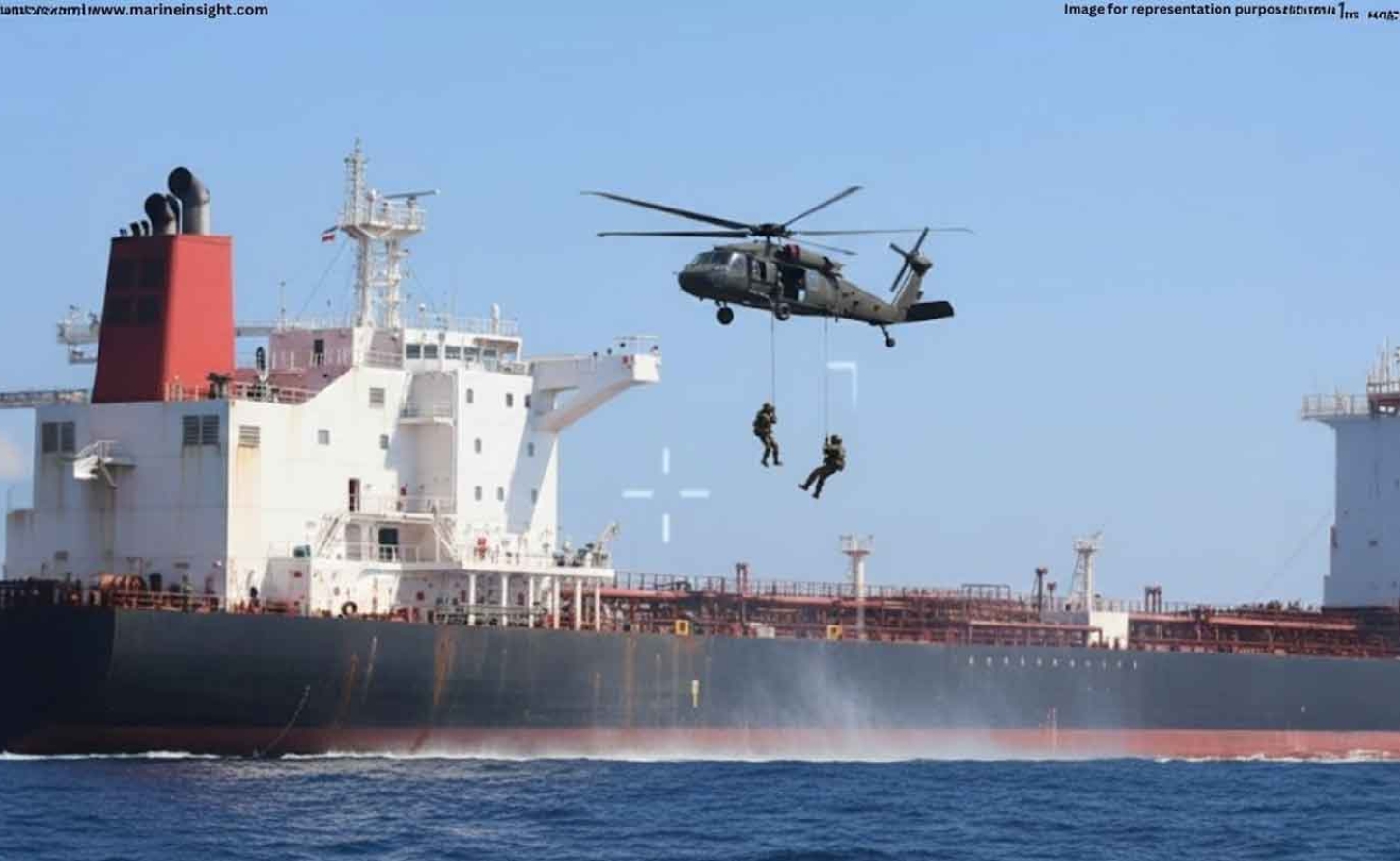
United States forces ilegally seizing an oil tanker off the Venezuela coast after recent military buildup
MONTEGO BAY, Jamaica December 21, 2025 - The bodies keep piling up in Caribbean waters—approximately 100 souls obliterated by American drone strikes, their trials conducted by algorithm, their executions carried out by remote control thousands of miles away.
The Caribbean Community's vaunted "Zone of Peace" principle lies shattered beneath the wreckage. And from CARICOM headquarters? Deafening silence. From Jamaica House, where the current CARICOM Chair resides? Not even a whisper of protest.
We stand at a crossroads where institutional cowardice masquerades as diplomatic pragmatism, and where CARICOM's founding principles are being abandoned precisely when they matter most. The question is no longer whether CARICOM can defend Caribbean sovereignty—it's whether the organization has any intention of trying.
The Militarization Nobody Wants to Name
Let's dispense with the fiction: the Trump administration's Caribbean military campaign has nothing to do with drugs. The ongoing effort to overthrow Nicolás Maduro in Venezuela, the installation of military radar systems across the region, the drone strikes killing people on mere suspicion of drug trafficking—these are the instruments of geopolitical domination, not drug interdiction.
The most brazen examples? The recent seizures of two oil tankers transporting Venezuelan oil—boarded by U.S. troops in international waters, on two separate occasions. Not in American territorial waters. Not under legitimate maritime law authority. In international waters—a flagrant violation of sovereignty designed to provoke military engagement from Venezuela.
These weren't interdictions of drug vessels; they were acts of economic warfare and deliberate provocation. And from CARICOM? Not a word of protest. Not even acknowledgment that international law was violated in Caribbean waters.
Consider Trinidad and Tobago, where Prime Minister Kamla Persad-Bissessar's government has offered a masterclass in narrative manipulation. As former UNC speechwriter Darryn Dinesh Boodan documented, the official explanation for the U.S. military radar installation shifted from "road works" to "national security" to claims it helped police find marijuana in the Caroni Swamp.
The entire narrative collapsed when the New York Times reported the radar is built for air defense, not maritime interdiction—it was never designed to find drug boats in the first place.
Yet the radar stands. The drones fly. The tankers are seized. The bodies sink beneath Caribbean waves. And CARICOM offers platitudes while American military infrastructure metastasizes across the region.
Boodan, writing with the clarity of someone who witnessed the rot from inside, calls these what they are: "extrajudicial killings and possible war crimes in the Caribbean Sea."
These aren't abstractions—these are murders conducted without trial, without due process, without even the pretense of legal accountability. Each death is a violation of everything the Zone of Peace was meant to prevent.
Jamaica House: The Sound of Silence
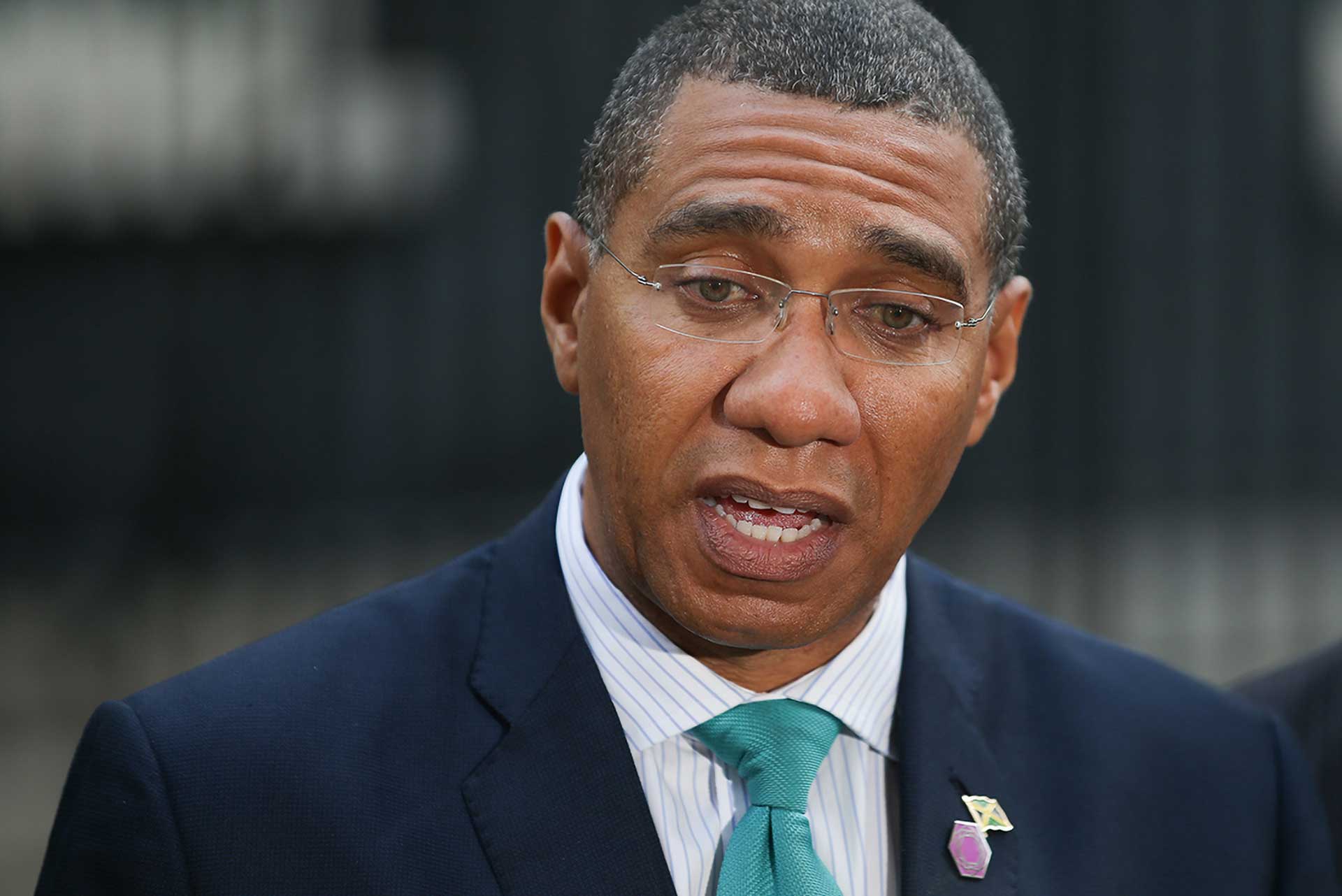
Chairman of CARICOM Jamaica's Prime Minister Andrew Holness
What does regional leadership mean when the leader won't defend the region's founding principles? What purpose does a CARICOM Chair serve if they're too timid to challenge external powers conducting military operations in Caribbean territory?
Holness's silence is particularly galling given Jamaica's historical role in Caribbean integration. This is the nation of Marcus Garvey, of Norman Manley's vision for West Indian federation, of Michael Manley's fierce defense of Third World sovereignty. Yet when American drones rain death on Caribbean waters, Jamaica House offers nothing—not condemnation, not concern, not even acknowledgment.
Leadership requires courage. Holness's tenure as CARICOM Chair demonstrates only the willingness to preside over institutional irrelevance.
Trinidad's Open Betrayal
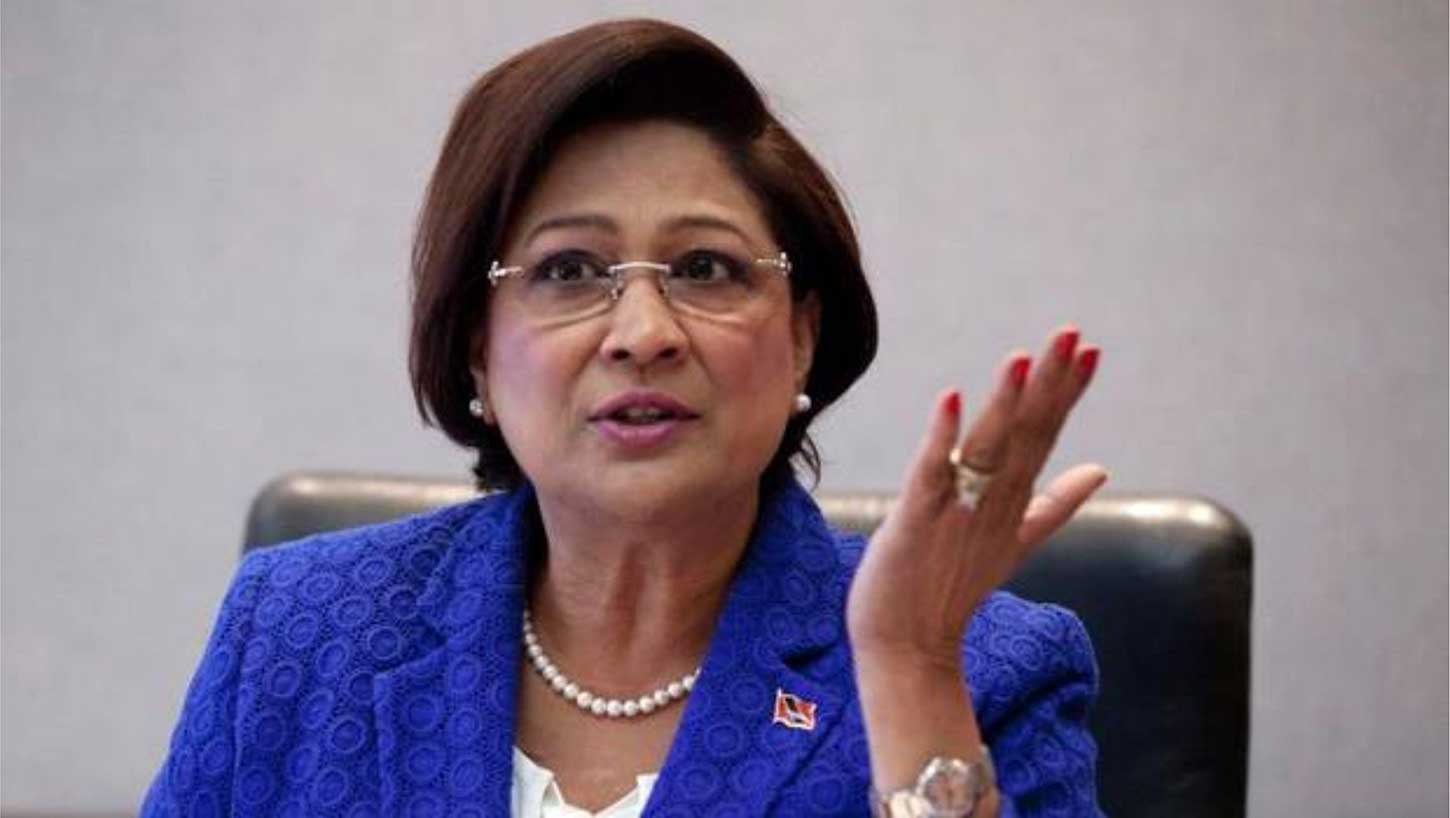
Prime Minister Kamla Persad-Bissessar says the Caribbean Community (Caricom) is operating in a dysfunctional manner and is failing the people of the region
She proclaims that "Trinidad and Tobago would not bind itself to the political, foreign, economic or security policies of other Caricom governments"—a repudiation of the very concept of regional solidarity.
Persad-Bissessar hasn't just abandoned CARICOM principles; she's actively threatening her own citizens for expressing dissent. Boodan reveals that she warned Trinidadians to "behave" or risk losing U.S. visas simply for criticizing American policy in the region. Think about that: a Caribbean prime minister threatening her own people with punishment from a foreign power for exercising free speech.
Her suggestion that Antigua and Barbuda faces U.S. travel restrictions because they "badmouthed" America—contradicting the State Department's actual explanation of passport security concerns—reveals a government more interested in manufacturing fear than defending facts.
This is what capitulation looks like: shifting explanations for military installations, threats against citizens who question foreign policy, and the wholesale abandonment of regional cooperation in favor of subservience to external power.
"Friends of All, Satellites of None"
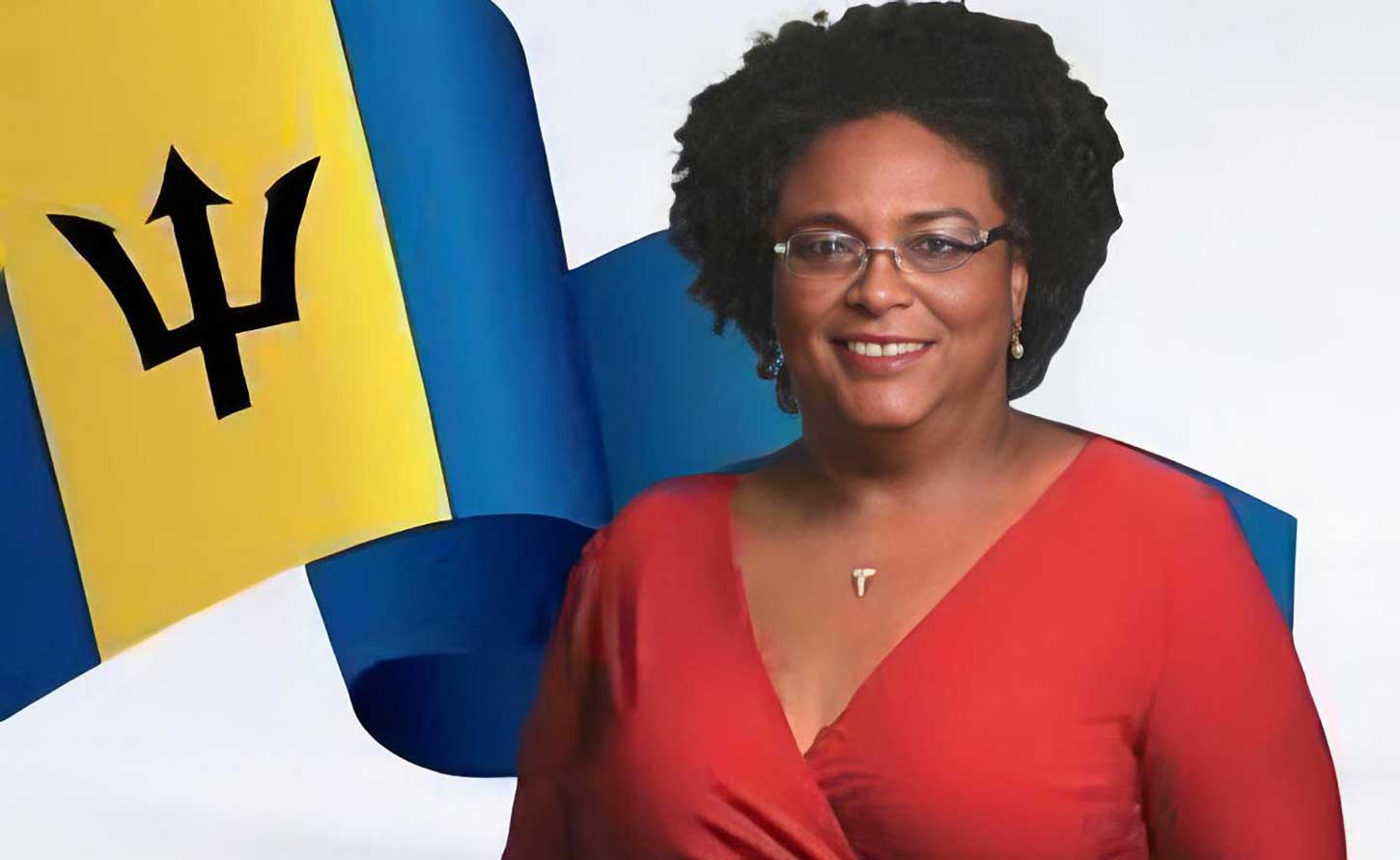
Barbados Prime Minister Mia Amor Mottley has often repeated her country's mantra that had become a a loose truism of CARICOM, that Barbados would be Friends of all and Satellites of none.
That principle lies in ruins. Trinidad has chosen to be a satellite. Jamaica's silence enables the satellization. And CARICOM, the institution supposedly safeguarding regional sovereignty, watches it happen with bureaucratic detachment.
The Zone of Peace wasn't just aspirational language—it was a commitment that the Caribbean would not become a theater for great power military operations. Yet here we are: American military infrastructure spreading across the region, drone strikes killing people without trial, regime change operations conducted from Caribbean soil. The Zone of Peace has become a zone of war, and CARICOM's response has been to issue carefully worded statements that change nothing.
Choose or Die
CARICOM faces a choice that can no longer be deferred: defend Caribbean sovereignty or admit institutional irrelevance. There is no middle ground between principles and capitulation. You cannot claim to uphold the Zone of Peace while American drones execute people in Caribbean waters.
You cannot champion maritime sovereignty while U.S. troops seize oil tankers in international waters without protest. You cannot champion regional integration while member states openly reject regional solidarity. You cannot lead while staying silent.
Andrew Holness must decide whether his CARICOM chairmanship means anything beyond photo opportunities at summits. Kamla Persad-Bissessar has already made her choice—servitude over sovereignty. The question is whether the rest of CARICOM will follow her into irrelevance or remember why the organization was founded in the first place.
One hundred people are dead. Tankers are seized in international waters. The militarization continues. The silence from regional leadership grows louder with each passing day.
Barbados promised we would be satellites of none. It's time CARICOM remembered what that means—or admitted it no longer believes it.
-30-
