
CARIBBEAN | Brussels Tightens the Noose: Caribbean CBI Programs Face EU Visa Access Threat
CARIBBEAN | Brussels Tightens the Noose: Caribbean CBI Programs Face EU Visa Access Threat
European Parliament's legislative push could force Caribbean nations to choose between economic sovereignty and Schengen access
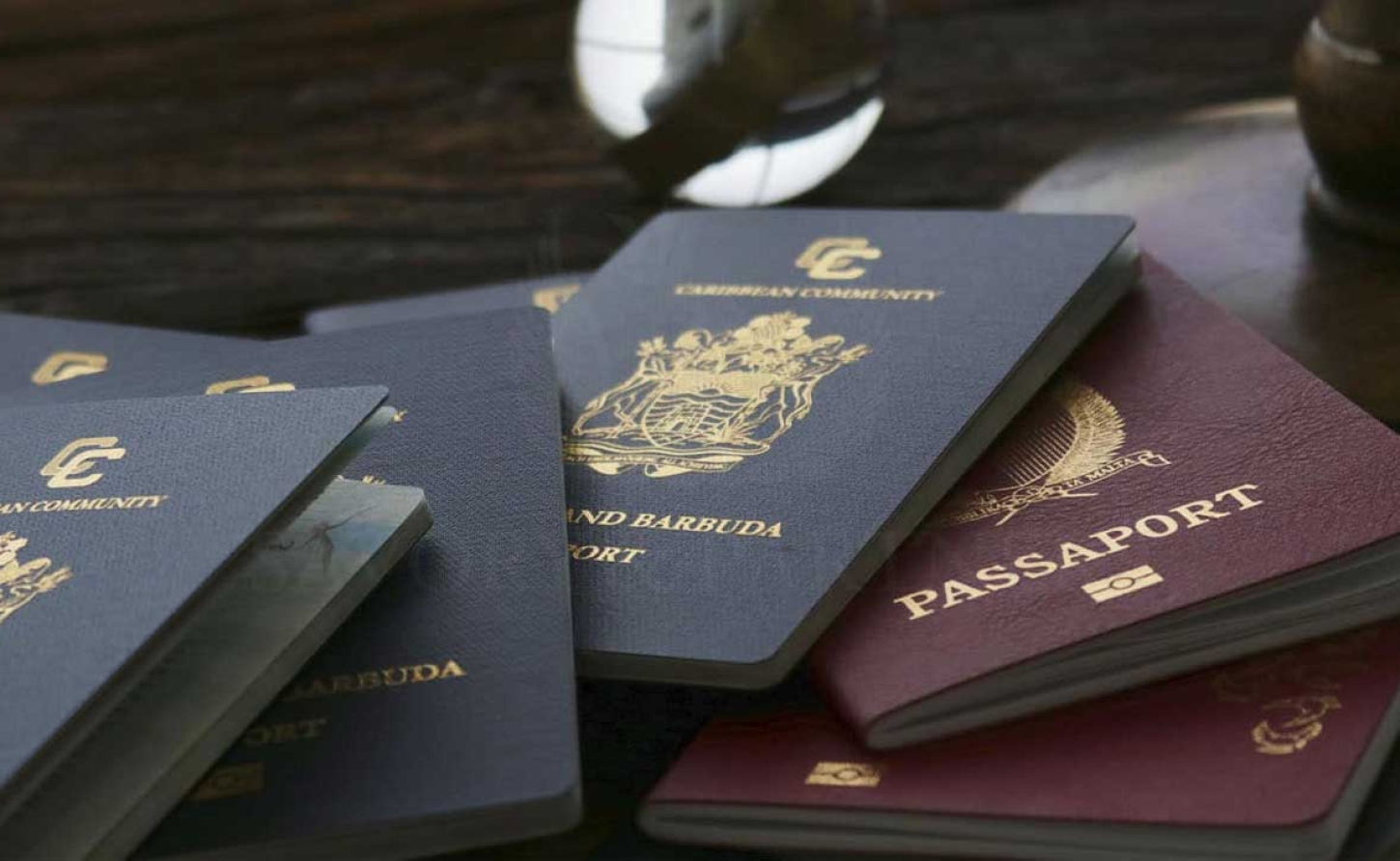
MONTEGO BAY, Jamaica, December 29, 2025 - The European Parliament has drawn a line in the sand, and several Caribbean nations now find themselves staring at an impossible choice: abandon lucrative citizenship-by-investment (CBI) programs that have become economic lifelines, or risk losing visa-free access to the Schengen Area for their entire populations.
In February 2022, the Committee on Civil Liberties, Justice and Home Affairs (LIBE) adopted a legislative-initiative report demanding the European Commission submit proposals to phase out CBI schemes completely by the end of its mandate.
But the most immediately threatening provision targets third countries—a category that includes Antigua and Barbuda, St. Kitts and Nevis, Dominica, Grenada, and St. Lucia, all of which operate CBI programs while their citizens enjoy visa-free Schengen access.
The proposed amendment to Regulation (EU) 2018/1806, based on Article 77(2)(a) of the Treaty on the Functioning of the European Union, would require "the absence of CBI schemes in third countries with visa-free access." Translation: shut down your citizenship programs, or we revoke visa privileges for your entire citizenry.
The Legal Architecture of Pressure

EU President Ursula von der Leyen presiding over the death of the "golden passports" where “citizenship-by-investment” (CBI), has long been a booming industry, offering the world’s elite a path to greater global mobility.
The Commission followed with a March 2022 recommendation urging immediate repeal of investor citizenship schemes, arguing they create security risks and lack a "genuine link" between the investor and the nation granting citizenship.
Malta discovered the cost of resistance when the Commission sent a reasoned opinion in April 2022—the final stage before referral to the Court of Justice—challenging its investor citizenship scheme as a breach of EU law. The case (C-181/23) proceeded to hearing in June 2024, establishing precedent that Brussels will use legal mechanisms to eliminate programs it deems problematic.
But extending this crusade to sovereign third countries represents a dramatic escalation. The EU isn't merely regulating its own members—it's leveraging visa access as a weapon to dictate economic policy in independent nations thousands of miles away.
Brussels’ concerns are fueled by the sheer scale and operational realities of the industry. The report highlights data points that paint a picture of a high-volume business with vetting processes the EU finds troublingly permissive.
- Massive Volume: The five Caribbean countries have collectively issued over 100,000 passports through their investment programs.
- Continued Demand: Applications have remained high, with 13,113 submitted in 2023 and another 10,573 in 2024.
- Low Rejection Rates: The Commission expressed particular concern over “very low” rejection rates. In 2024, the figures were just 1.7% for Antigua and Barbuda, 5.3% for Saint Lucia, and 6.5% for Dominica.
From the EU’s perspective, such high application volumes paired with low rejection rates suggest an untenable security risk, regardless of recent procedural improvements.
Economic Sovereignty vs. Brussels Diktat
For Caribbean nations, CBI programs represent far more than controversial revenue streams—they're fundamental to economic survival. These small island developing states, battered by climate change, recovering from pandemic devastation, and facing chronic fiscal constraints, have used citizenship programs to fund critical infrastructure, healthcare, education, and disaster recovery.
St. Kitts and Nevis pioneered the modern CBI model in 1984. Dominica rebuilt after Hurricane Maria partly through CBI revenues. These aren't abstract policy choices—they're decisions about whether schools stay open and hospitals remain staffed.
The EU's position essentially declares that Caribbean nations must surrender economic sovereignty to maintain the mobility rights their citizens have enjoyed for decades. There's bitter irony in Brussels demanding these nations prove a "genuine link" between investor and state when European colonial powers spent centuries ensuring no genuine links existed except exploitation and extraction.
Security Theater or Legitimate Concern?
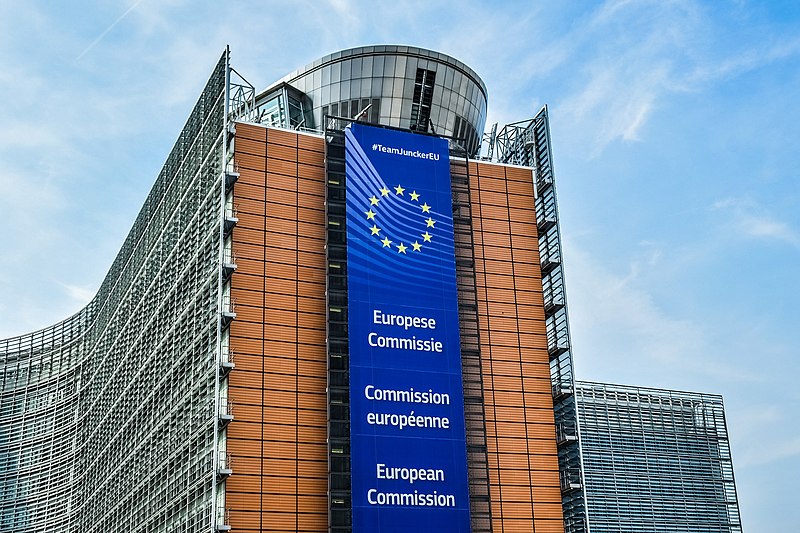
The European Commission in Brussels
These concerns aren't entirely without merit. But the solution—threatening to punish entire Caribbean populations for their governments' economic policies—reveals the power asymmetry at play. The EU possesses alternative mechanisms to address security concerns: enhanced screening, information sharing, individual visa denials for problematic investors.
Instead, Brussels chose collective punishment, weaponizing visa policy to force compliance. Small Caribbean states, lacking the geopolitical leverage to resist, face a stark choice: economic survival or freedom of movement for their citizens.
The question isn't whether CBI programs require better regulation and oversight—they do. The question is who gets to make that determination: sovereign Caribbean governments balancing complex economic realities, or European parliamentarians issuing ultimatums from Brussels?
-30-
