
CARICOM | A Caribbean Debt of Honour: Former PMs Urged to Lead Africa-Cuba Oil Mission
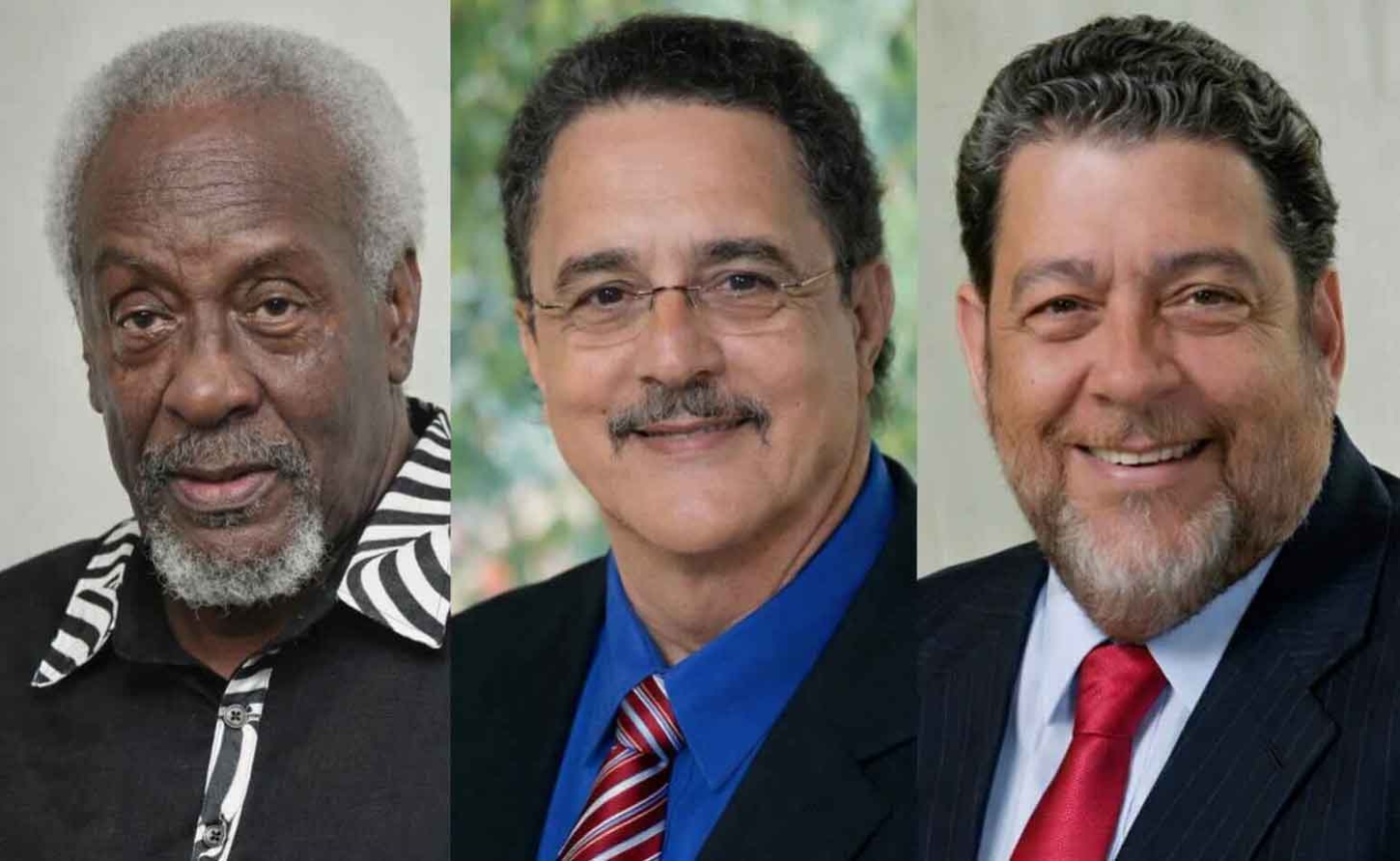
Former Prime Ministers PJ Patterson of Jamaica; Dr. Kenny Anthony of St. Lucia and Dr. Ralph Gonsalves of St. Vincent and the Grenadines.
Three Caribbean statesmen face urgent call to mobilize African oil producers for beleaguered ally
MONTEGO BAY, Jamaica, February 16, 2026 - The lights flicker and die across Havana for the fourth time this week. In hospitals, doctors work by candlelight. Families ration meals as fuel shortages cripple food distribution. This is Cuba in 2026—a nation being slowly strangled not by policy failure or natural disaster, but by deliberate, calculated economic warfare dressed up as sanctions.
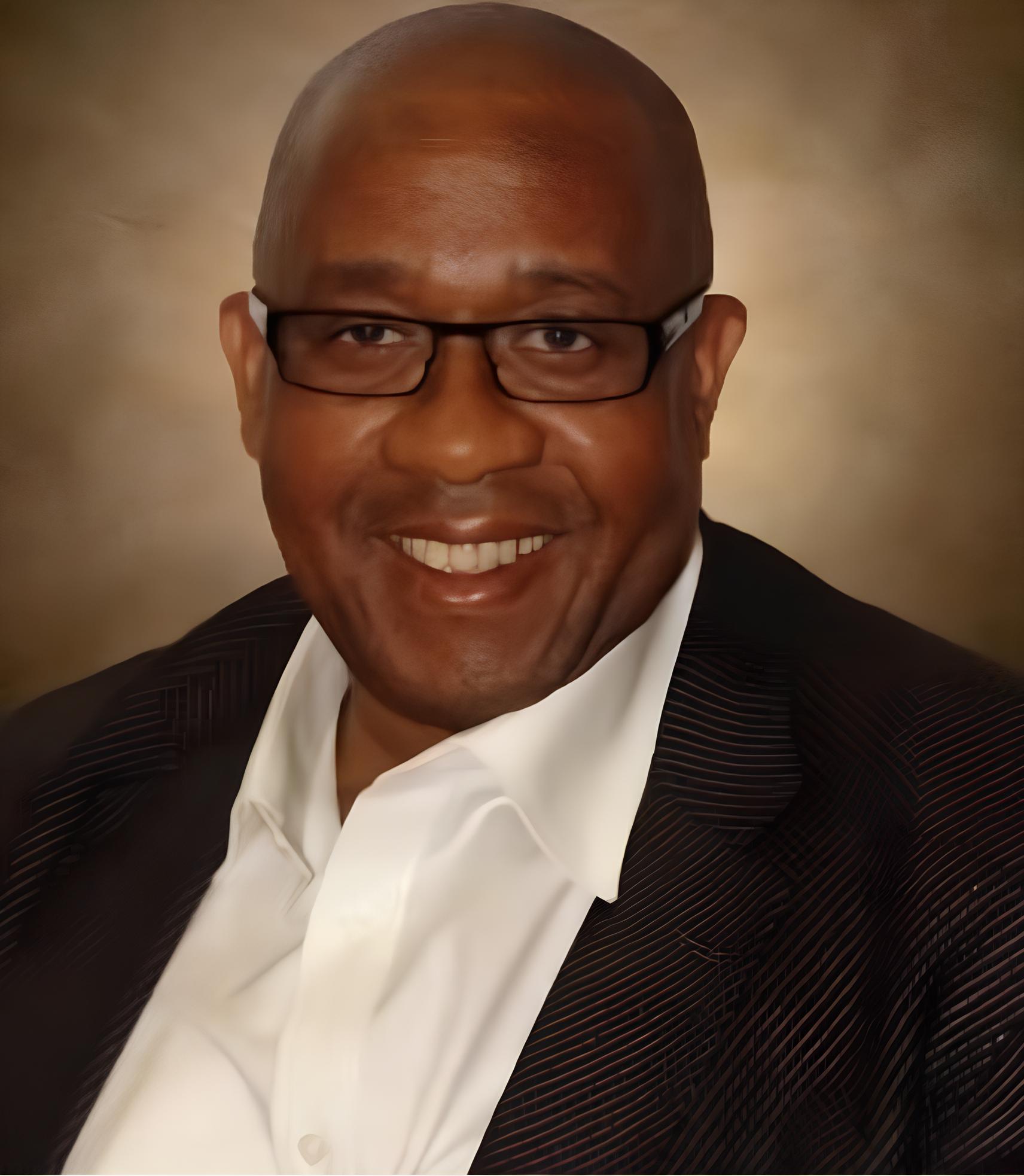
Global Afrikan Congress Ambassador General Cikiah Thomas,
The Global Afrikan Congress, through its Ambassador General Cikiah Thomas, has issued an urgent appeal for these leaders to spearhead a CARICOM diplomatic mission to African oil-producing nations—Nigeria, Angola, and other willing partners—to secure emergency energy assistance for Cuba.
The request carries profound moral weight. These are not merely former heads of government being asked to take on another diplomatic assignment. They are being called to repay a debt that the Caribbean has owed for decades.
The Arithmetic of Solidarity
Thomas's February 10 letter lays bare an uncomfortable truth that Caribbean leaders rarely articulate publicly: without Cuba's internationalist solidarity over the past sixty years, the material conditions of Caribbean peoples would be "arguably worse off for the most vulnerable groups in our region."
Cuban doctors have staffed Caribbean hospitals when local physicians were scarce. Cuban teachers have filled Caribbean classrooms.
When hurricanes devastated island after island, it was often Cuban disaster response teams who arrived first—not with press releases and photo opportunities, but with medical supplies, reconstruction expertise, and hands-on labor.
Cuba gave selflessly when it had little to give, motivated not by profit or political leverage, but by genuine South-South solidarity.
Now Cuba's people face darkness—literal and figurative. The sixty-year US embargo, recently intensified with cuts to oil exports, has created what Thomas rightly calls "untenable dire, vicious and extraterritorial effects."
This is economic warfare by any honest assessment, designed to make civilian life so unbearable that a population rises against its government.
It violates the UN Charter, international law, and basic human decency. Yet it persists, year after year, sustained by ideological rigidity and imperial arrogance.
Why These Three Leaders Matter
Patterson, Anthony, and Gonsalves carry something increasingly rare in Caribbean politics: unimpeachable credibility on the international stage. Their decades of advocacy for small state sovereignty, their consistent defense of international law, and their moral clarity on issues of justice give them diplomatic weight that current office-holders often lack.
Thomas's appeal recognizes that Africa will respond not to bureaucratic CARICOM delegations, but to leaders of conscience whose track records command respect. These three men have spent careers defending the principle that all nations have the sovereign right to choose their development path—the exact principle the US embargo seeks to crush.
South-South Solidarity or Rhetorical Posturing?
For years, CARICOM nations have voted overwhelmingly in the UN General Assembly to condemn the US embargo. These votes cost nothing. They signal virtue without demanding sacrifice. Now comes the test of whether that rhetorical solidarity translates into material action.
Africa and the Caribbean share bonds forged through centuries of colonialism, racial oppression, and economic exploitation. Both regions understand what it means to have your sovereignty dismissed, your self-determination denied, your right to chart your own course treated as negotiable by distant powers. The question Thomas poses is devastating in its simplicity: Will we stand with those who stood with us?
The Moment of Truth
Cuba has burned through its goodwill account with the Caribbean—not through reckless spending, but through decades of deposits made when Caribbean nations were overdrawn. The humanitarian crisis Thomas describes is not hypothetical. It is happening now. People are suffering now. And the international community that claims to value multilateralism and the rule of law watches while a superpower weaponizes hunger and darkness against a population of eleven million.
Patterson, Anthony, and Gonsalves face a legacy-defining choice. They can leverage their moral authority to mobilize African partners, demonstrating that Caribbean solidarity means more than symbolic UN votes. Or they can remain silent, tacitly accepting that economic warfare against small states is just the price of doing business in a world ordered by imperial whim.
Cuba answered when the Caribbean called. The question now is whether three of the region's finest leaders will answer when Cuba calls them.
-30-
