CARICOM | Caribbean Elders Deliver Moral Verdict on Washington's Oil Blockade Against Cuba
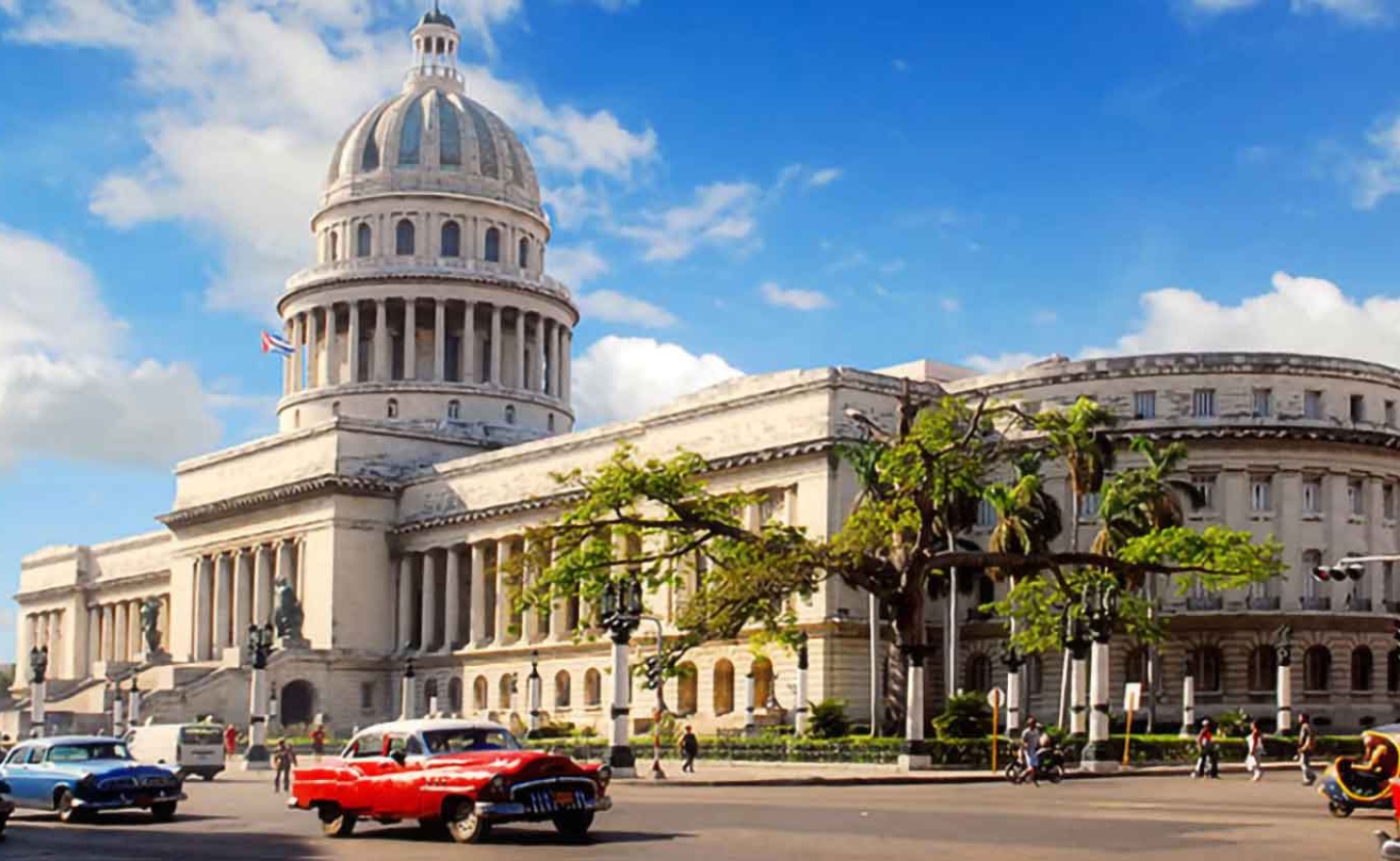
On December 8, 1972, the Prime Ministers o f Barbados, Guyana, Jamaica and Trinidad & Tobago made the bold decision t o establish diplomatic relations with Cuba in assertion of our sovereign right to end the hemispheric economic isolation of a neighbouring Caribbean State.
Former heads of government from Barbados to Trinidad invoke the Zone of Peace doctrine as a US executive order tightens its grip on Cuba's 11 million civilians
WiredJa | February 2026
They governed during hurricanes and coups, steered their nations through the wreckage of colonialism, and shaped a Caribbean identity on the world stage. Now, eight former heads of state and government from across the Caribbean Community have stepped out of retirement with a singular, urgent purpose: to call out what they describe as Washington's economic warfare against the Cuban people.
In a joint statement authorized for immediate release, former leaders from Barbados, Dominica, Grenada, Guyana, Jamaica, St. Lucia, and Trinidad and Tobago have condemned a January 29, 2026 Executive Order issued by the United States — an order that threatens punitive tariffs against any nation that provides oil to Cuba. The signatories include former Jamaica Prime Minister P.J. Patterson, Barbados' Freundel Stuart, Trinidad's Dr. Keith Rowley, and Guyana's former President Donald Ramotar, among others.
Their verdict is unsparing.
A Tourniquet Around a Nation's Throat
The former leaders do not traffic in diplomatic euphemism. The Executive Order, they declare, "constitutes economic warfare" that "inflicts unconscionable suffering upon the Cuban people." They describe the fuel blockade as a "fatal pernicious tourniquet" strangling Cuba's access to energy, food, medication, education, and basic livelihood — squeezing the life from 11 million civilians who bear no personal responsibility for the ideological dispute Washington seeks to punish.
The moral weight behind those words is considerable. These are not armchair critics lobbing accusations from the safety of obscurity. These are men who sat at cabinet tables, signed treaties, and navigated the treacherous currents of Cold War geopolitics and post-Cold War realignment. When they speak of "economic warfare," they do so with the authority of those who have seen it wielded before.
Fifty-Three Years of Solidarity
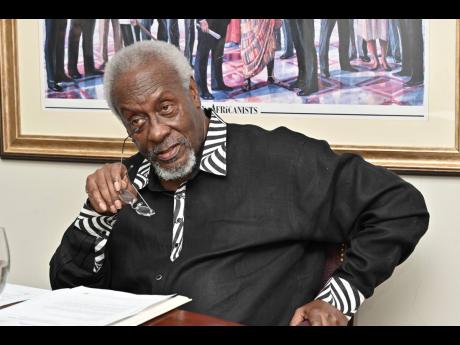
Former Jamaican Prime Minister PJ Patterson
For more than five decades since, Cuba has reciprocated. Medical brigades have staffed clinics across the region. Scholarships have sent Caribbean students to Havana's universities. Cuban assistance has arrived after hurricanes and earthquakes — offered freely, the statement notes, "devoid of any request by them for reciprocal support of any kind."
Now, the former leaders argue, the moment demands that the Caribbean repay that solidarity — not with silence, but with moral clarity.
The Zone of Peace Doctrine Under Siege
Perhaps the most powerful dimension of the statement is its invocation of the Caribbean as a Zone of Peace — a foundational principle of CARICOM's identity, affirming that the region will not become a theater for great power conflict or coercion. The former leaders are explicit: the US Executive Order does not merely threaten Cuba. It threatens the doctrine itself.
"Economic warfare waged on differences of ideology and political systems," they write, "is no less odious in our single universe than military invasion anywhere for territorial aggrandisement." In endorsing findings by UN Human Rights Experts that the coercive Executive Order violates international law, they are placing Washington's action within the same moral framework as the colonial-era aggressions the Caribbean has spent generations trying to escape.
A Message to Current Leaders
The subtext of the statement is impossible to miss. While former leaders have signed their names to this appeal, current CARICOM heads of government have remained conspicuously silent. The statement reads, in part, as a challenge to their successors — an intergenerational reminder that Caribbean moral authority was built on the courage to stand firm even when standing firm was costly.
The former leaders believe the Caribbean citizenry would support "any decision by our Leaders to render tangible material support to our brothers and sisters in Cuba." That phrasing is deliberate. It gives current governments political cover while making unmistakably clear which direction the moral compass points.
Might Does Not Make Right
The statement closes with a declaration that resonates across Caribbean history: "We will never accept the doctrine that might makes right."
Those six words carry the full weight of the Caribbean experience — of peoples who survived the Middle Passage, plantation slavery, colonial extraction, and Cold War proxy battles fought on their soil and in their waters. They are words that remind the world, and particularly Washington, that the Caribbean's silence should never be mistaken for consent.
The question now is whether the region's current leaders will find the courage to echo them.
Signatories to the Statement:
- Donald Ramotar — Former President, Guyana
- Freundel Stuart — Former Prime Minister, Barbados
- Edison James — Former Prime Minister, Dominica
- Tillman Thomas — Former Prime Minister, Grenada
- Bruce Golding — Former Prime Minister, Jamaica
- P.J. Patterson — Former Prime Minister, Jamaica (1992–2006)
- Dr. Kenny Anthony — Former Prime Minister, St. Lucia
- Dr. Keith Rowley — Former Prime Minister, Trinidad and Tobago
-30-
