CARICOM | St. Kitts PM Dr. Terrence Drew inherits chairmanship amid public disagreements and external pressure
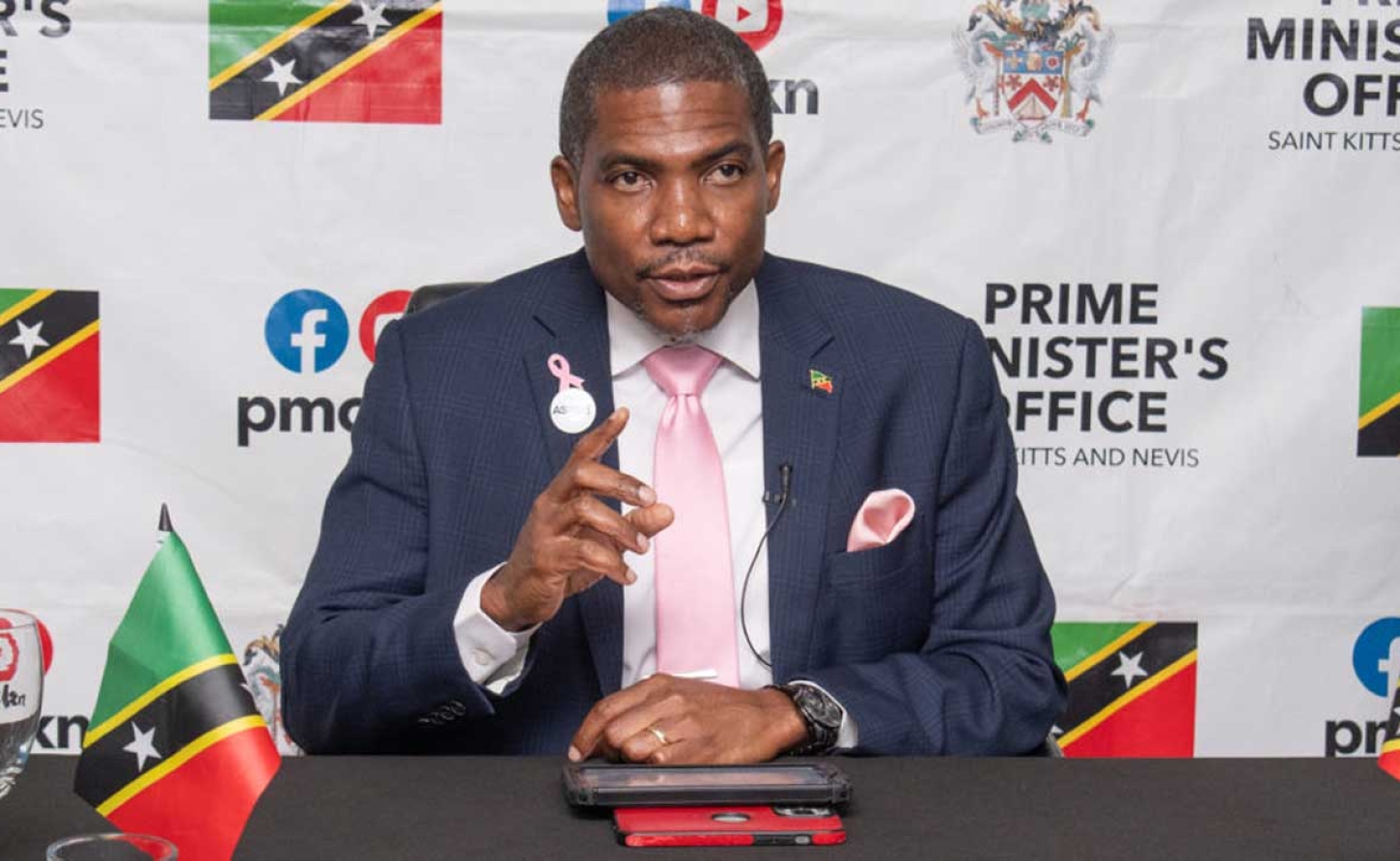
Prime Minister of St Kitts and Nevis The Hon. Dr Terrance Drew, assumed duties as Chair of the Conference of Heads of Government of the Caribbean Community (CARICOM) on 1 January until 30 June 2026.
St. Kitts PM Dr. Terrence Drew inherits chairmanship amid public disagreements and external pressure—but can rhetoric translate to action?
MONTEGO BAY, Jamaica, January 2, 2026 - When Dr. Terrence Drew assumed the rotating chairmanship of CARICOM on January 1, 2026, he inherited more than a ceremonial role.
He inherits a regional body showing visible strain, member states whose public disagreements have "attracted regional and international attention," and a Caribbean facing what he diplomatically terms "geopolitical tensions" and "external policy decisions affecting Caribbean nationals."
Translation: The facade of Caribbean unity is cracking, and the world is watching.
Drew's New Year message doesn't hide from this uncomfortable reality. Instead, the St. Kitts and Nevis Prime Minister delivers what may be the most direct assessment any CARICOM chair has offered in recent memory: "None will come to save us. We must save ourselves."
It's a stark departure from the usual platitudes that characterize regional leadership transitions. Drew is essentially telling Caribbean citizens what many already suspect—that external powers view the region as a geopolitical chessboard rather than a collection of sovereign nations deserving respect, and that internal divisions are undermining the collective strength needed to resist this dynamic.
The Unspoken Context
Drew's carefully chosen language about "external policy decisions" and "recent international developments" requires little decoding for those following Caribbean affairs. U.S. visa restrictions targeting opposition politicians, travel bans affecting Caribbean nationals, and increasingly aggressive military posturing in waters the region has declared a "Zone of Peace" form the backdrop to his message.
More troubling still are the "public discussions among Member States, reflecting differing national perspectives" that Drew acknowledges. While he maintains these differences "are not unusual in a diverse Community," the fact that they've attracted international attention suggests something deeper than routine diplomatic disagreement. When CARICOM fractures become external spectacle, the region's negotiating position weakens—and external actors inevitably exploit those divisions.
The Unity Paradox
Drew's response to this reality reveals both the promise and limitation of regional integration. He calls for member states to "speak louder, speak with conviction, speak with one voice" on shared interests, while simultaneously acknowledging that "CARICOM was never conceived as a space free of disagreement."
This is the central paradox Caribbean leaders must navigate: How do you maintain the sovereignty and democratic diversity of 15 independent nations while presenting unified resistance to external pressure? How do you speak with "one voice" when economic realities, political systems, and strategic calculations differ dramatically between, say, Trinidad and Dominica?
Drew's prescription—"stronger coordination, clearer purpose, and deeper solidarity"—sounds admirable. But it glosses over the structural challenges that have plagued CARICOM since its 1973 founding. Coordination requires functioning institutions and political will. Purpose requires agreement on priorities. Solidarity requires trust that larger members won't dominate smaller ones and that all will honor commitments made collectively.
Words Versus Deeds
The real test comes not in Drew's eloquent invocation of Caribbean civilization's achievements—from Haiti's revolution to the region's sporting excellence—but in whether February's 50th Regular Meeting in St. Kitts produces concrete action. Will member states commit to the "strategic maturity" Drew requests? Will they strengthen regional institutions with actual resources rather than rhetoric? Will they develop mechanisms to present unified positions on security, trade, and diplomatic matters?
Or will the meeting produce another carefully worded communiqué that papers over fundamental disagreements, leaving the region vulnerable to the very external manipulation Drew warns against?
The Calculation Ahead
Drew's message that "we must save ourselves" carries weight precisely because it acknowledges what Caribbean leaders often avoid stating publicly: that international institutions, powerful allies, and diplomatic niceties offer limited protection for small states in an increasingly transactional global order.
Whether his six-month chairmanship represents a turning point or merely another expression of unfulfilled regional aspirations will depend on whether Caribbean governments are prepared to make the difficult compromises that genuine integration requires.
The February meeting will provide early answers. The region is watching—and so are those who would prefer a divided Caribbean.
-30-
