
CUBA | “Independence or Death”: Díaz-Canel Fires Back as Trump Floats a “Friendly Takeover” of Cuba
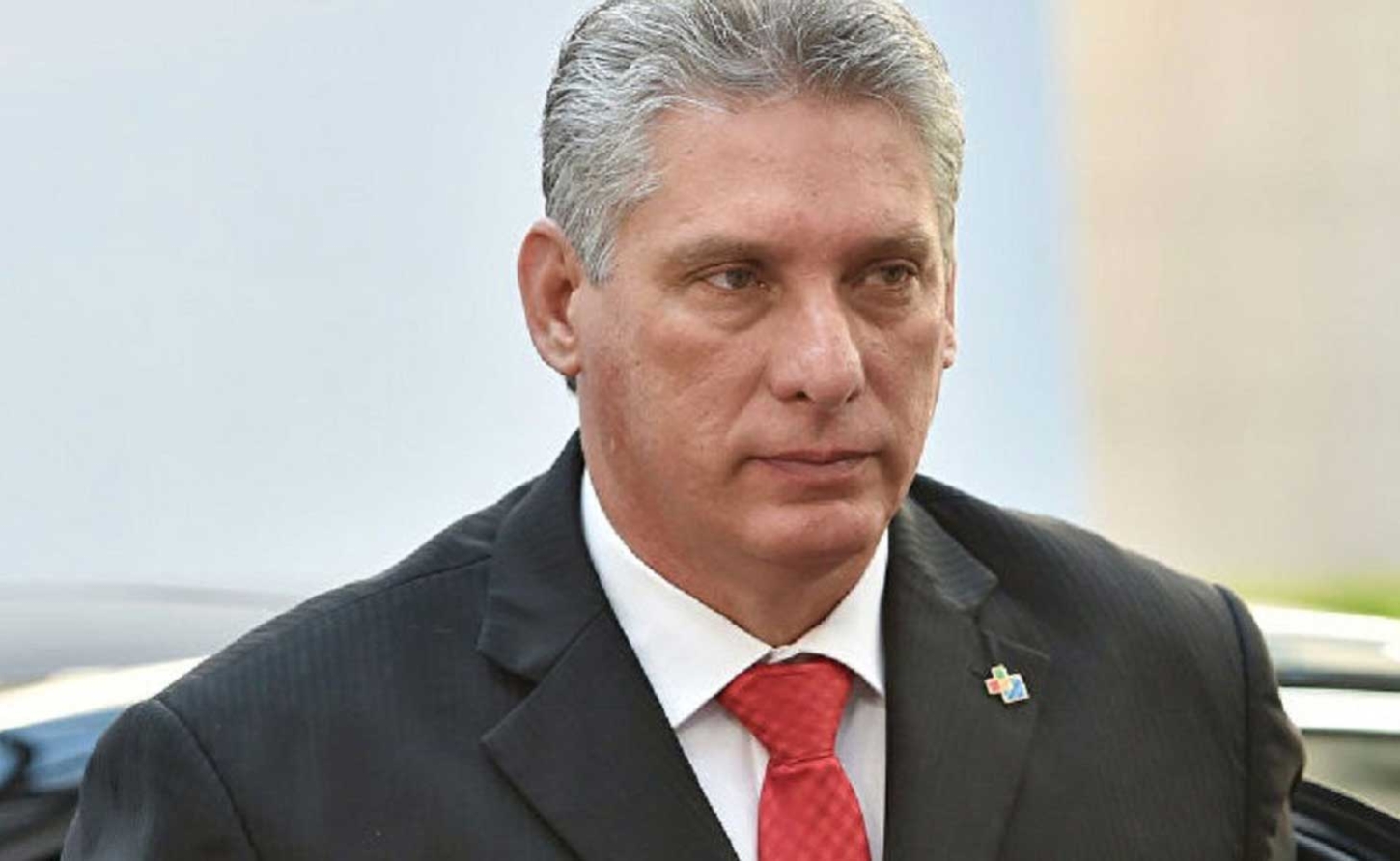
CUBA | “Independence or Death”: Díaz-Canel Fires Back as Trump Floats a “Friendly Takeover” of Cuba
Washington’s empire-speak meets Havana’s revolutionary resolve — and the Caribbean is caught in the crossfire
“We will fight, we will struggle, we will resist, we will transform — and above all adversity and imperial threats, we will rise and triumph.”
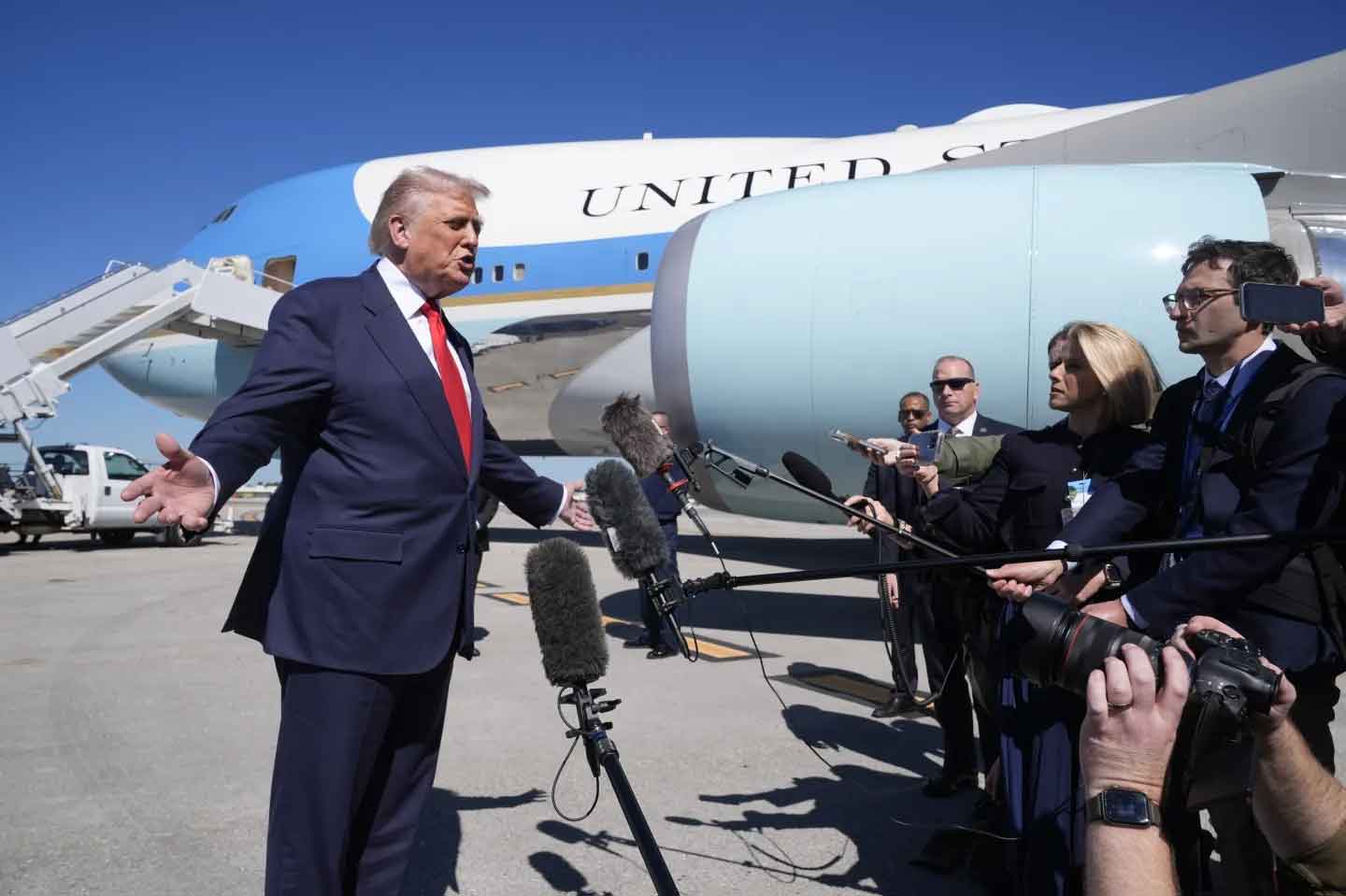
— President Miguel Díaz-Canel, Havana, February 24, 2026HAVANA/WASHINGTON - February 27, 2026 - The audacity was breathtaking, even by Donald Trump’s standards. Standing on the South Lawn of the White House on Friday, minutes before boarding Marine One for a Texas trip, the American president casually mused about absorbing a sovereign Caribbean nation as though he were negotiating a real estate deal. “Maybe we’ll have a friendly takeover of Cuba,” Trump told reporters, adding for emphasis: “We could very well end up having a friendly takeover of Cuba.” He did not elaborate. He rarely does.
 But thousands of miles away in Havana, President Miguel Díaz-Canel had already answered — not with diplomatic ambiguity, but with the thunder of revolutionary history.
Three days before Trump’s remarkable statement, on February 24th — a date etched into Cuba’s national consciousness as the anniversary of the 1895 independence war launched by José Martí — Díaz-Canel stood before Cuba’s National Assembly and delivered what may be his most defiant address in recent memory. His words were unmistakably directed at Washington, even before Trump made his intentions plain.
“We will fight, we will struggle, we will resist, we will transform,” Díaz-Canel declared, “and above all adversity and imperial threats, we will rise and triumph.” He invoked Martí’s original cry of “Independence or Death” — not as nostalgia, but as living doctrine. The message was clear: Cuba was not for sale, not for takeover, friendly or otherwise.
The timing of Trump’s statement makes Díaz-Canel’s speech read less like a ceremonial address and more like a prophetic counter-offensive.
The “Deal” That Wasn’t Asked For
What exactly is Washington seeking? Trump’s comments were characteristically vague, yet revealing in their assumption. Secretary of State Marco Rubio — Cuban-American, hawkish, and deeply invested in regime change on the island — has reportedly been conducting discussions with Cuban officials “at a very high level.”
Cuba’s government acknowledged the communications, framing them as related to an incident involving a U.S. vessel. But Trump’s language suggests Washington views the island’s economic distress as the opening it has long sought.
The pressure campaign has been relentless. An executive order signed in late January targets countries providing oil to Cuba with tariffs. With Venezuela’s Nicolás Maduro ousted by U.S. forces, Havana has lost its most critical energy lifeline.
Cuba’s deputy foreign minister, Carlos Fernández de Cossío, posted — then hastily deleted — that Washington’s fuel embargo remains “in full force” and that nothing in recent announcements changes that reality. The deletion itself speaks volumes about the precariousness of Cuba’s position.
Defiance Rooted in History
Yet Díaz-Canel’s February 24th speech refused to perform weakness. Speaking with remarkable candour, he acknowledged Cuba’s “accumulated suffering,” its energy crisis, its economic hardship — while squarely blaming the “intensified criminal blockade” and what he called Washington’s “genocidal Executive Order.”
Rather than obscure his nation’s difficulties, he named them and framed them as evidence not of failure, but of resistance against calculated collective punishment.
Crucially, Díaz-Canel chose the symbolism of his date deliberately. February 24th, 1895 marked the moment Cuba refused, at enormous cost, to remain someone else’s property. He invoked that history to signal that the revolutionary memory encoded in that date is more durable than Washington’s patience — or its leverage.
A Caribbean Warning, Not Just a Cuban One
From a Caribbean perspective, the stakes extend far beyond Cuba’s shores. Trump’s casual deployment of the phrase “friendly takeover” — applied to a sovereign Caribbean nation that achieved independence through revolution — is a conceptual colonialism that should alarm every small island state in the region.
If the economic strangulation of Cuba is normalised as legitimate statecraft, what precedent does that set for the rest of the Caribbean’s smaller, resource-dependent economies?
More than 40 U.S. civil society organisations evidently share that alarm. In a letter to Congress on the same day as Trump’s remarks, they warned that cutting oil supplies to Cuba would trigger “humanitarian collapse,” constituting what they called a grave violation of international humanitarian law.
The irony is sharp: while Washington speaks of “friendly” takeovers, it simultaneously enforces an embargo that denies ordinary Cubans fuel, medicine, and economic oxygen.
Díaz-Canel is betting that the fire of 1895 burns longer than any Washington administration. Whether history proves him right may be the defining Caribbean story of 2026.
