
JAMAICA | Tourism Workers Face Year-Long Limbo as Hotels Delay Reopening
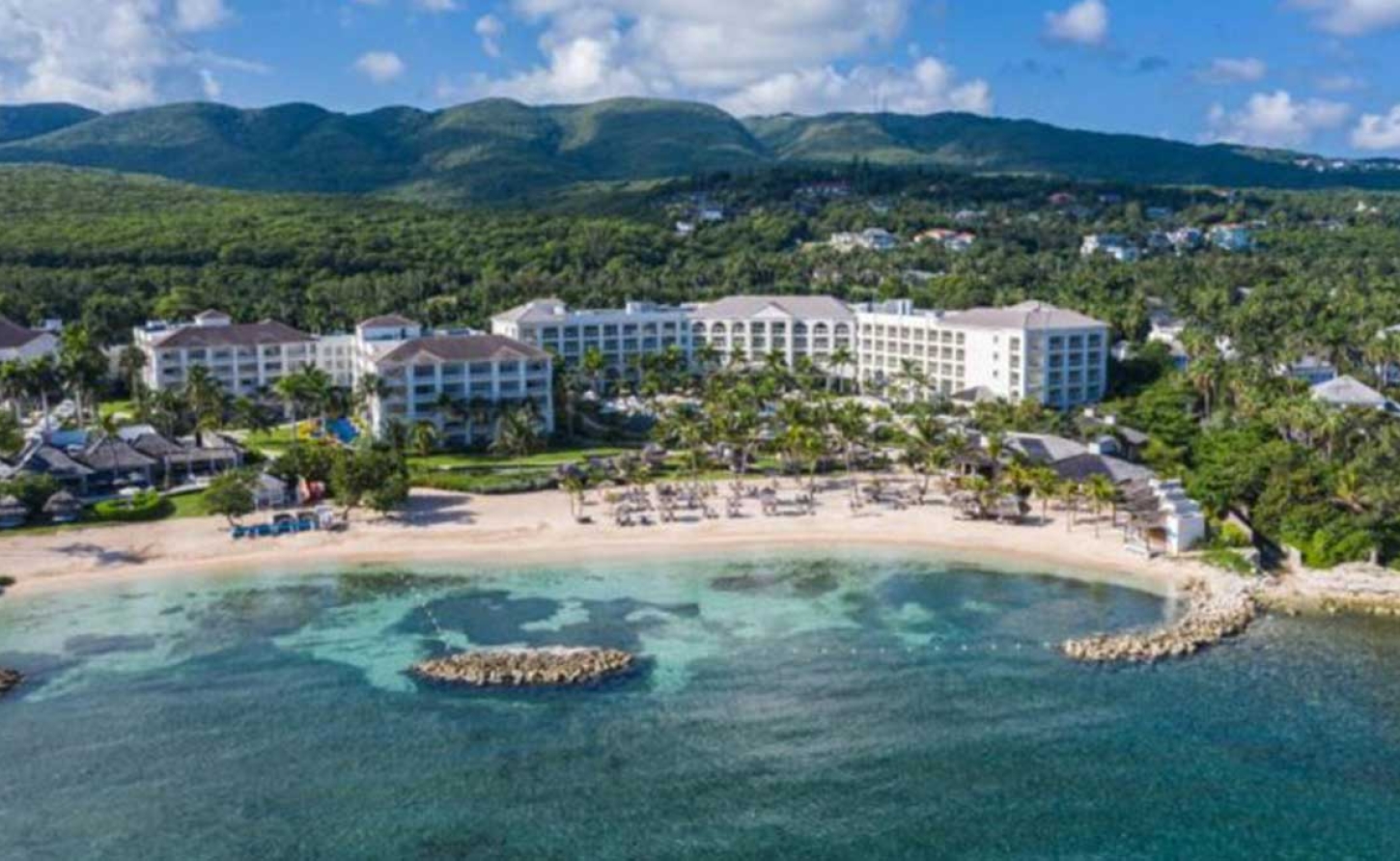
Hyatt Ziva in Rose Hall, St. James. Hyatt has extended the closure of seven of its eight hotels in Jamaica until November 1, 2026, pushing back an earlier reopening timeline that had targeted January 31, 2026
Shadow Minister Andrea Purkiss confronts Bartlett over extended closures that threaten thousands with economic catastrophe
MONTEGO BAY, Jamaica, December 15, 2025 - When Hurricane Melissa's winds finally died down, Jamaica's tourism workers received what seemed like manageable news: major properties would close for approximately 120 days. Four months of hardship, yes, but survivable with mortgage moratoriums and relief measures.
That promise has now collapsed into a far harsher reality—some hotels won't reopen until August, October, or even November 2026, leaving thousands of hospitality workers facing up to twelve months without wages.
Opposition Spokesperson for Tourism and Linkages Andrea Purkiss has thrown down the gauntlet, demanding Tourism Minister Edmund Bartlett explain how workers are expected to survive this dramatic timeline extension—and why long-serving employees are being cast aside while contract workers take their places.
 Shadow Minister for Tourism and Linkages, Ms Andrea Purkiss, MP for Hanover Eastern.The Brutal Mathematics of Survival
Shadow Minister for Tourism and Linkages, Ms Andrea Purkiss, MP for Hanover Eastern.
In a formal letter delivered to Minister Bartlett on December 15, the East Hanover MP laid out what she calls "the brutal and unforgiving" arithmetic facing Jamaica's hospitality workforce. Financial institutions granted six-month mortgage moratoriums. Those relief measures will expire long before many hotel doors reopen.
What happens in month seven when mortgage payments resume but paychecks don't? How do workers pay school fees, utility bills, and put food on tables during this extended income drought?
"What will hotel workers do in six months when the real hunger starts?" Purkiss asked pointedly. The question cuts to the heart of a crisis that threatens to devastate families who form the backbone of Jamaica's most vital economic sector.
These are the same workers who remained at their posts during Hurricane Melissa—caring for tourists while their own homes were being destroyed. Many discovered days after the storm that they had "no house" to return to. They sacrificed for guests and employers. Now, Purkiss charges, they face abandonment.
Corporate Double-Speak and Worker Disposability

Tourism Minister Edmund Bartlett says the Government’s rapid response to Hurricane Melissa has drawn strong international confidence, resulting in billions of US dollars in pledged support from multilateral partners for national recovery.
Workers with 18 years of service—people who "were at properties before any guest put foot in there"—now sit at home without pay, without redundancy letters, and without certainty about their future. Meanwhile, contract workers are being deployed to these same properties.
The pattern is consistent and deeply troubling: permanent staff sent home while contract workers brought in. Long-serving employees summoned to HR departments "as if they did something wrong," only to be told to go home or face redundancy.
Purkiss reserves particular scorn for the disconnect between corporate communications to "valued partners" and the treatment of workers. Hotel operators write eloquently about "detailed assessments," "stability," and commitments to delivering exceptional guest experiences. They discuss welcome amenities and bottles of wine for returning guests.
"But what welcome is extended to employees who cannot simply wait nine to twelve months for employment to resume?" Purkiss demands. "Where are the detailed assessments of financial damage to the workforce? Where are the support programs, continued wages, or transition assistance?"
Dismantling Manley's Legacy
The Shadow Minister frames the crisis in stark historical terms: Hurricane Melissa is becoming the instrument through which decades of hard-won labor protections are being dismantled.
The dangerous proliferation of contract workers across the hospitality sector—workers with contracts as short as three months, with no job security, no redundancy protections—represents what Purkiss calls "a fundamental assault on everything Michael Manley fought to establish in this country."
"Manley gave dignity to Jamaica's workers," her letter states. "He fought for worker protections, for economic security, for the principle that a person's labor deserves respect and fair treatment."
Workers now fear they'll be made redundant only to be re-employed on precarious three-month contracts, stripped of the protections their predecessors fought to secure.
Seven Demands for Ministerial Action
Purkiss outlined seven specific interventions she's demanding from Bartlett: require transparency on reopening timelines; establish concrete worker support protocols; protect permanent employment from conversion to contract arrangements; extend financial relief to match actual reopening dates; monitor redundancy processes for legal compliance; combat the casualization trend; and provide a comprehensive parliamentary report on the crisis.
Her letter—copied to Prime Minister Andrew Holness, the Ministers of Labour and Finance, tourism authorities, and major unions—represents a direct challenge to the administration's handling of the post-hurricane recovery.
"These workers are not abstractions in tourism statistics—they are Jamaicans who have built our reputation as a destination offering exceptional hospitality," Purkiss concluded. "They remained at their posts during crisis. They cared for tourists while losing their own homes. They deserve nothing less than our full commitment and immediate action."
The question now is whether Minister Bartlett will respond with concrete action, or whether Jamaica's hospitality workers will be left to face their brutal arithmetic alone.
-30-
