JAMAICA'S Autism Emergency, Part II: The Foreign Diagnosis Trap and the Ministries That Must Act
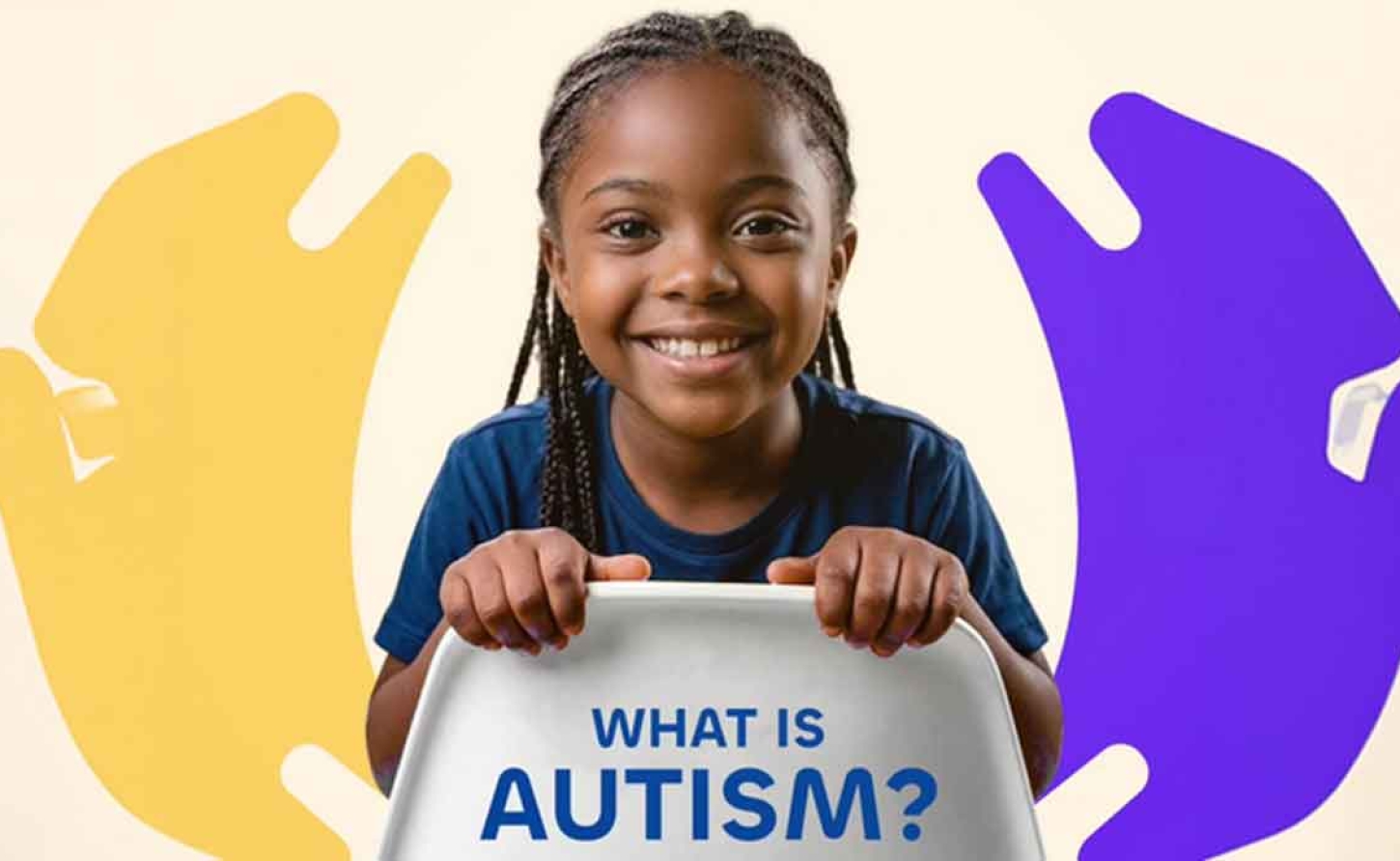
Autism is not a disease . Autism is a neurodevelopmental condition that affects how a person communicates, interacts and experiences the world.
Having exhausted every avenue at home, some Jamaican families scraped together the money to fly to the United States and have their children diagnosed by qualified specialists. They returned with documentation in hand — only to be told by the local system that the foreign diagnosis did not count. Science says otherwise. And the demand for accountability has never been louder.
Part II of II — Read Part I: “The Children the System Cannot Find”.
MONTEGO BAY, Jamaica April 16, 2026 - Calvin G. Brown & Dr. Yochel Samuels-Williams | Desperation, as anyone who has watched a Jamaican parent navigate the autism labyrinth will tell you, is a powerful engine.
When the public diagnostic system offers a three-year queue and the private sector demands $220,000 a month in therapeutic costs, some families do the only thing left available to them: they find the money, pack a bag, and fly to the United States to get their child diagnosed by a qualified specialist there.
It is an act of extraordinary sacrifice — airline tickets, accommodation, specialist consultation fees, time off work — undertaken by families who have already been failed at every turn by the system in their own country.
They return home clutching formal diagnostic documentation from licensed American clinicians. They present it to the Jamaican authorities. And they are told, in effect: start again.
The system’s position, as reported to WiredJa by Dr. Yochel Samuels-Williams, is that foreign diagnoses will not be honoured — that the children in question must be seen by one of the two local diagnosticians at UWI’s Child and Family Centre in Kingston.
The families are sent back to the end of the queue they crossed an ocean to escape.
“This is the part of this crisis that makes my blood run cold,” Dr. Samuels-Williams told WiredJa. “These families did everything right. They sought a solution when the system failed them. They got a proper diagnosis from qualified professionals. And then they were punished for it. The question I want answered is: on what scientific or legal basis is a US diagnosis being rejected? Because there is no clinical basis for it. None.”
The Science That Destroys the Bureaucracy’s Case
 The question of whether a diagnosis conducted in the United States is qualitatively inferior to one conducted in Jamaica is not a matter of opinion. It is a matter of science. And the science is unambiguous.
Autism spectrum disorder is diagnosed internationally using two gold-standard instruments: the Autism Diagnostic Observation Schedule, Second Edition (ADOS-2) and the Autism Diagnostic Interview-Revised (ADI-R).
These are the same tools used by the two developmental paediatricians at UWI’s Child and Family Centre in Kingston. They are the same tools used by qualified clinicians in Florida, New York, and Georgia — wherever a Jamaican family might travel to seek diagnosis.
They are standardised instruments, meaning their administration, scoring, and interpretation follow the same protocol regardless of the country in which they are administered.
A child assessed in Kingston and a child assessed in Miami, by comparably trained and licensed clinicians using the same instruments, receives a diagnosis of equivalent clinical validity.
The ADOS-2’s sensitivity in diagnosing ASD ranges from 89 to 92 per cent, with specificity of 81 to 85 per cent — performance metrics that apply universally, irrespective of geography.
The instrument was designed precisely to be reproducible and consistent across jurisdictions. That reproducibility is its entire scientific value.
Furthermore, neither the ADOS-2 nor the ADI-R is actually required by the DSM-5 — the Diagnostic and Statistical Manual of Mental Disorders, Fifth Edition, the globally accepted diagnostic framework for autism — to make a formal ASD diagnosis.
This means that even a clinical diagnosis by a qualified US developmental paediatrician or licensed psychologist using DSM-5 criteria alone is internationally valid and clinically defensible.
There is no provision in any recognised diagnostic framework that confines the validity of an ASD diagnosis to the country in which it was made.
It is worth noting further that the designated ADOS-2 and ADI-R training sites in the United States include the University of California San Francisco, the University of Minnesota, Rutgers University, and UCLA — institutions that train more ASD diagnosticians and process more diagnostic cases annually than Jamaica’s entire public-sector system has in its history.
A Jamaican family seeking diagnosis in the United States is, in many cases, accessing practitioners with deeper diagnostic experience than is available at home.
“These families did everything right. They sought a solution when the system failed them. They got a proper diagnosis from qualified professionals. And then they were punished for it. On what scientific or legal basis is a US diagnosis being rejected? Because there is no clinical basis for it. None.”
— Dr. Yochel Samuels-Williams, President, JCI Hopewell
The only scientifically valid grounds for questioning a foreign diagnosis would be if it were made by an unqualified practitioner not using accepted tools or criteria.
A diagnosis issued by a licensed, board-certified clinician in the United States using ADOS-2, ADI-R, or DSM-5 criteria is — by every scientific standard that exists — the clinical equal of one issued on the Mona campus.
Jamaica’s refusal to honour such diagnoses is therefore not a clinical standard. It is a bureaucratic gatekeeping mechanism.
It punishes precisely the families resourceful and desperate enough to find a solution when the state provided none — and forces them back into the same years-long queue they crossed an ocean to escape.
It has no basis in science. It has every basis in institutional dysfunction. And it must end immediately.
Two Ministries, One Gaping Void
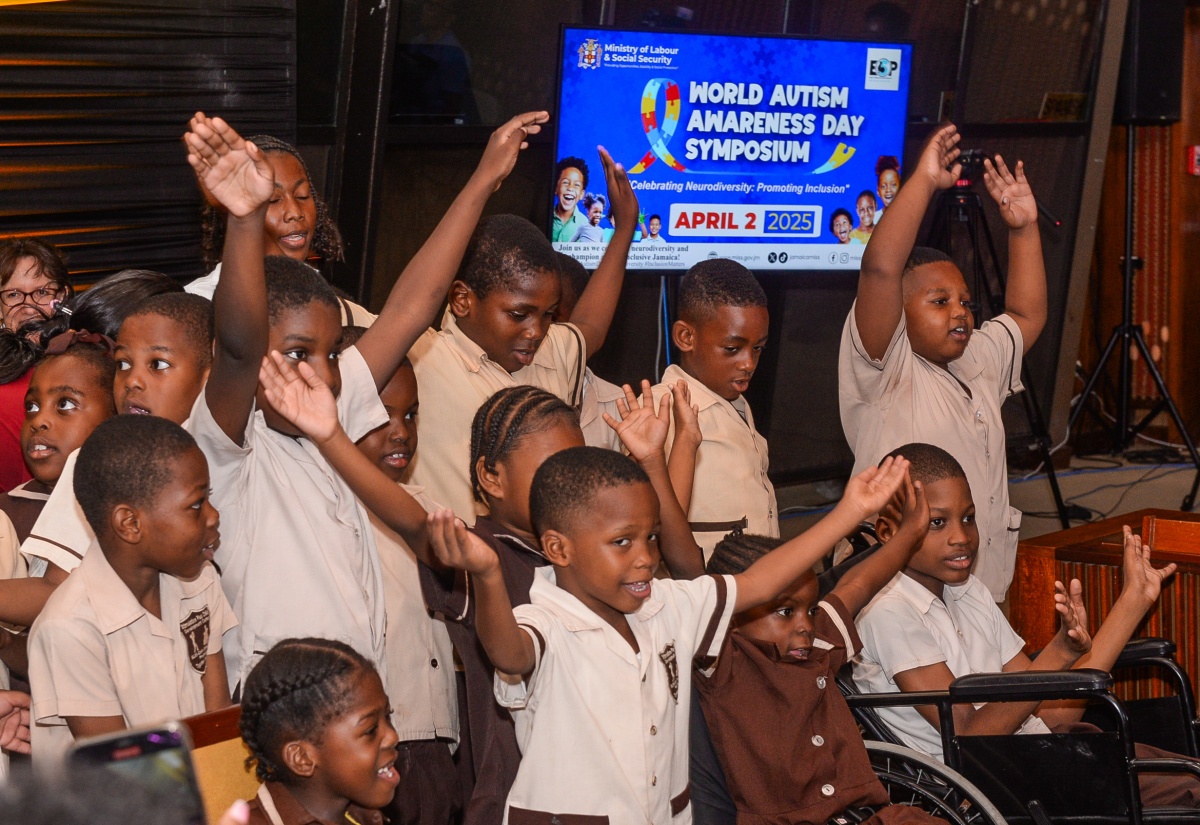 Jamaica’s autism crisis is, at its root, an interministerial failure. It falls between the Ministry of Health and Wellness, which owns the diagnostic pathway, and the Ministry of Education, Skills, Youth and Information, which owns the schooling infrastructure.
Neither has moved with the urgency the numbers demand. And there is no visible joint strategy holding both simultaneously accountable.
The screening protocol that exists — questions incorporated into the Jamaica Child Health Passport — provides an initial filter.
But that filter leads to a referral pathway that collapses almost immediately: to the one centre, the two doctors, the three-year queue. No national autism registry exists.
No population-based prevalence study has been conducted in Jamaica. The country is flying blind on a condition affecting tens of thousands of its children.
On the education side, the Ministry has acknowledged staffing shortfalls at the Mico CARE Centre in behavioural, occupational, and speech therapy.
The Early Childhood Commission has flagged long diagnostic delays leaving children behind before they enter primary school. UWI is being engaged to develop new training courses. These are steps. They are not a system. And they are not moving at the speed of the crisis.
“The two ministries must stop operating in silos on this issue,” Dr. Samuels-Williams said. “A child’s autism does not recognise the difference between a health ministry and an education ministry.
They must sit at the same table, with the same data, and produce a national autism strategy — one that begins with massively expanding the number of diagnosticians across the island, not just in Kingston.
And one that immediately instructs officials to stop turning away families who have already obtained a proper diagnosis abroad.”
The Price of Doing Nothing
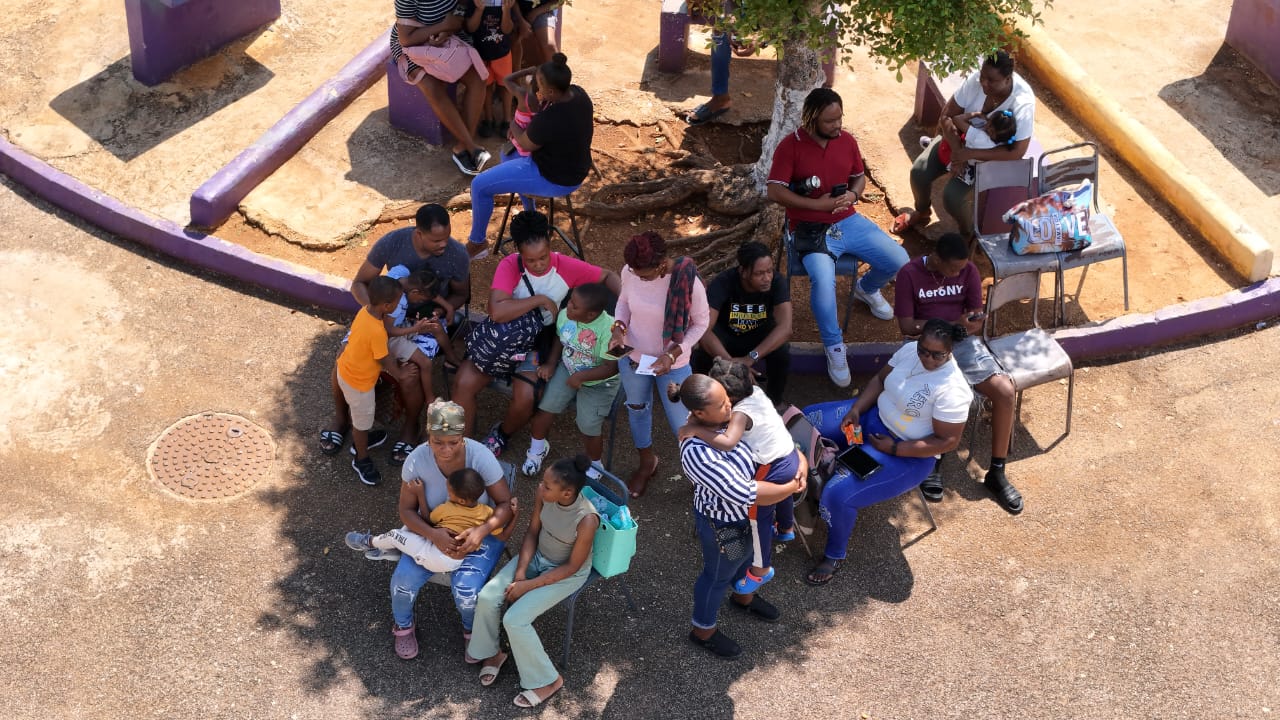 For families navigating this system without state support, the financial burden is punishing. An initial diagnosis appointment costs $12,000 locally. Applied Behaviour Analysis therapy twice weekly runs $5,000 per session. Speech therapy twice weekly costs $13,500 per session.
A shadow caregiver at school costs $70,000 per month — with families frequently required to supplement the government’s contribution. A single month of comprehensive autism care for one Jamaican child can exceed $220,000. The state underwrites almost none of it.
For the majority of Jamaican families, that arithmetic is simply impossible. And so children go without — not because their parents do not love them, but because a country generating billions in tourism revenue has chosen, year after year, not to make autism a budget priority.
When parents travel to America at great personal sacrifice and return with a diagnosis, only to be turned away at the door, it is not an administrative inconvenience. It is a statement about whose children this government considers worth protecting.
What Must Happen Now
Dr. Samuels-Williams and JCI Hopewell are not waiting for the government to lead. Plans are underway to seek corporate sponsorship for a second Autism Expo within the coming months — targeting a different community, reaching a new catchment of undiagnosed children.
If 400 people filled Hopewell High School on a single Saturday with scores still unable to be seen, the demand at a second, more widely publicised event may be larger still.
But community voluntarism cannot substitute for state obligation. The calls from the Hopewell Expo are directed squarely at both ministries, and they are not requests. They are demands:
- Immediately honour foreign ASD diagnoses made by licensed, qualified clinicians using internationally accepted tools and criteria. Issue a ministerial directive to this effect without delay.
- Establish a joint interministerial autism taskforce with a public mandate, defined milestones, and parliamentary accountability.
- Urgently expand diagnostic capacity outside Kingston — through trained developmental paediatricians and psychologists deployed across all fourteen parishes.
- Commission a national autism prevalence study and establish a registry so Jamaica finally knows the true scale of what it faces.
- Invest in a local training pipeline for speech therapists, occupational therapists, and ABA practitioners — with retention incentives to keep graduates in Jamaica.
- Mandate special education training for all teachers entering the profession, with in-service training for the existing 23,000-strong cohort.
- Fund therapeutic services publicly so that autism care is no longer the exclusive privilege of families who can afford $220,000 a month.
“We are not asking for the impossible,” Dr. Samuels-Williams said. “We are asking for what every Jamaican child deserves: the right to be seen, to be assessed, and to be given the tools to learn.
Right now, the system is telling tens of thousands of children — you do not exist to us. That has to end.”
Hopewell Proved the Point
There is a kind of evidence that no government report can replicate: 400 people in a school hall on a Saturday morning in a small Hanover community, because the formal system had given them nowhere else to turn.
And then the most telling detail of all — families who waited, hoped, and still went home without the answer they needed.
“We staged this expo because we believed in the need,” Dr. Samuels-Williams reflected. “What we did not fully anticipate was the scale of it.
People came from all over Jamaica. They sat in that hall, they waited — and some of them had to go home without an answer. That told us everything.”
It told us that the crisis is real, it is vast, and it is hiding in plain sight — in homes across every parish, in children kept from school by a three-year queue, in families spending the equivalent of a monthly salary on a single week of therapy, in parents who flew to America and came back with answers that their own government refuses to accept.
A community organisation in Hanover should not be doing the work of two government ministries. But until Kingston acts, Hopewell will.
“A community organisation in Hanover should not be doing the work of two government ministries. But until Kingston acts, Hopewell will.”
-30-
Calvin G. Brown is Publisher and Editor of WiredJa. Dr. Yochel Samuels-Williams is a general practitioner and Immediate Past President of JCI Hopewell and co-organiser of the April 11, 2026 Autism Expo at Hopewell High School, Hanover partially sponsored by Kingston JCI Trust.
