SAINT LUCIA Buries Cambridge Analytica's Caribbean Ambitions
SAINT LUCIA Buries Cambridge Analytica's Caribbean Ambitions
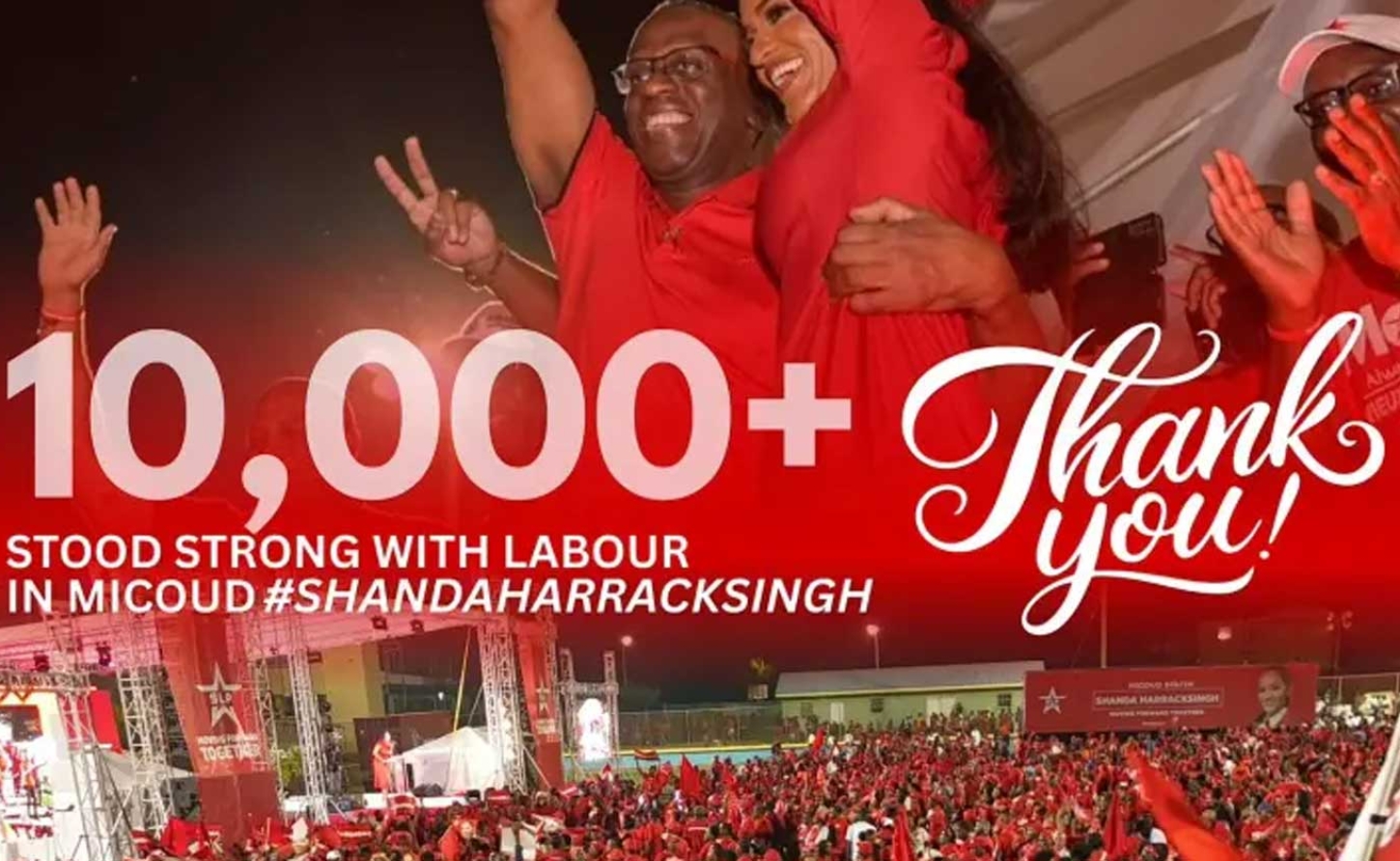
Pierre's stunning 16-1 victory exposes limits of external electoral manipulation in face of competent governance
While political consultants and regional observers predicted Saint Lucia would follow Saint Vincent and Tobago's "yellow wave," something remarkable happened on December 1: Saint Lucian voters decisively rejected the playbook that had worked elsewhere.
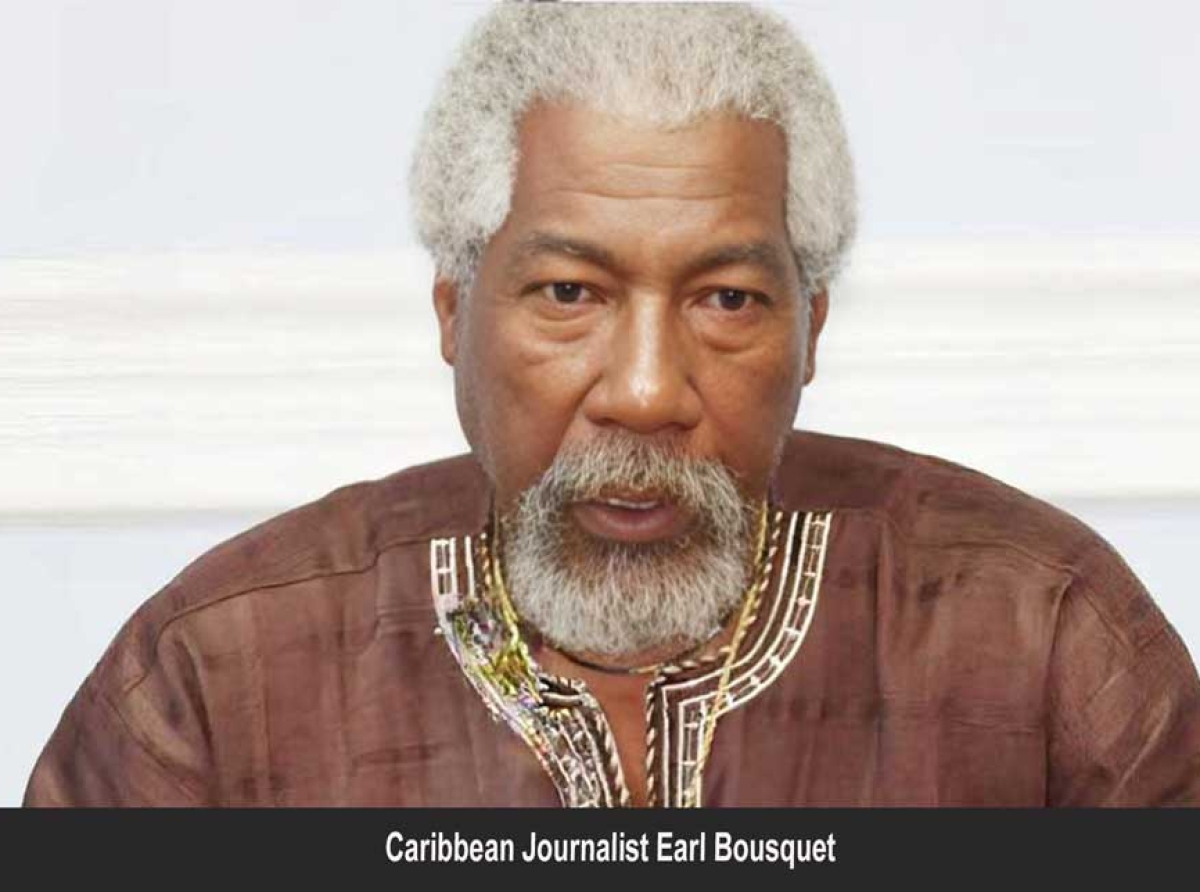 Prime Minister Philip J. Pierre's Saint Lucia Labour Party didn't just win—it delivered a crushing 16-1 defeat to the opposition United Workers Party that veteran journalist Earl Bousquet describes as reversing regional electoral trends and dealing a major blow to Strategic Communications Laboratories (SCL), the parent company of the disgraced Cambridge Analytica.
The implications extend far beyond one island's ballot boxes. Saint Lucia has become the Eastern Caribbean's firewall against a pattern of external electoral influence that successfully toppled governments in Trinidad and Tobago in April and Saint Vincent and Grenadines just days before.
The question now reverberating across CARICOM capitals: What made Saint Lucia different?
When the Formula Stops Working
SCL's "Code is Yellow" campaign had shown disturbing effectiveness across the region. In Trinidad and Tobago, the strategy helped propel Kamla Persad-Bissessar's United National Congress to victory.
In SVG, it contributed to the Unity Labour Party's stunning 14-1 defeat. The expectation—both within SCL and among regional political watchers—was that momentum would carry into Saint Lucia, where the UWP had adopted the same color-coded messaging.
Instead, as Bousquet observes, "the yellow instead seemed decoded island-wide, on the first day of the last month of the last year in the First Quarter of Century 21." The SLP's "Red Mood" didn't just prevail—it swept through all 17 polling stations with a force that left opposition leader Allen Chastanet as his party's sole parliamentary survivor.
The defeat is particularly humiliating for Chastanet, who now endures what Bousquet characterizes as an "equal double-loss" to Pierre—the second consecutive electoral drubbing of this magnitude.
By 9:30pm on election night, UWP representatives were on-air "conceding defeat—and predicting the party will have to return to the drawing board." Several are already calling for Chastanet's resignation as party leader.
The Substance Argument
What neutralized SCL's proven formula? The answer appears to lie in something consultants often underestimate: actual governance. Pierre's first term provided Saint Lucians with tangible reasons to vote for continuity rather than change, regardless of how effectively that change was marketed.
The Pierre administration's record speaks to competence over consultancy. The government grew the economy annually while reducing debt levels and driving unemployment down to unprecedented single digits. Public servants received all outstanding pay plus additional increases.
Government pensioners saw increased payments. The administration absorbed costs and subsidized food and fuel prices throughout its term, completed the long-delayed St. Jude Hospital, and started the Halls of Justice project.
Bousquet notes that Pierre "successfully turned-around an inherited economy battered by mismanagement of national response to the COVID-19 pandemic and wrecked by Ukraine War sanctions and Supply Chain challenges." This wasn't just spin—it was measurable economic performance that voters could see in their own lives.
The SLP's published Report Card on its 2021 campaign promises delivered became a powerful counter-narrative to whatever messaging SCL deployed. Pierre's "monthly parliamentary delivery of campaign promises" created a record that proved resistant to external manipulation.
The Collapse of Predictions
 Perhaps most telling was Pierre's successful maintenance of his governing coalition. The UWP had predicted his Cabinet would implode—a standard opposition talking point that often proves prescient in Caribbean politics.
Instead, Pierre not only kept his alliance intact but strengthened it, with the two independent MPs who joined his cabinet in 2021 successfully re-elected as part of the governing coalition.
Even more damaging to the UWP: "Several high-profile UWP members crossed-the-floor to join the SLP during the campaign; and hardcore opposition supporters also changed their minds at constituency levels," Bousquet reports.
This wasn't just voters switching parties—it was a fundamental rejection of the opposition's message and methods.
Regional Implications
For Caribbean democracies, Saint Lucia's result offers both warning and hope.
The warning: external actors with sophisticated electoral manipulation tools are actively working to influence regional elections, often in support of center-right parties.
The hope: competent governance and tangible results can create immunity against even the most well-funded influence campaigns.
Bousquet pointedly notes that SCL "has for decades been externally-influencing national democratic elections processes across the Eastern Caribbean."
Saint Lucia's resistance suggests that voters, when presented with clear evidence of governmental performance, can see through sophisticated messaging campaigns.
The contrast with SVG is particularly instructive. Regional observers "heavily-betted on the SVG elections possibly affecting Saint Lucia's," expecting a domino effect.
Instead, the results reversed—suggesting that each nation's electoral outcome depends more on domestic governance than regional momentum or consultant wizardry.
The Sovereignty Question
What Saint Lucia demonstrated on December 1 goes beyond partisan politics. It's a assertion of electoral sovereignty in an era when foreign consultants and data manipulation firms increasingly treat Caribbean democracies as laboratories for testing influence techniques.
As Bousquet concludes, "Saint Lucians will head into the upcoming Christmas and New Year seasons with no-more political stresses—or colour-codes to follow." That last phrase carries particular weight: the rejection of color-coded manipulation in favor of substantive evaluation of governmental performance.
For other Caribbean nations facing elections in coming years, Saint Lucia offers a template—not for how to win elections through better consultancy, but for how to make consultancy irrelevant through better governance.
-30-
