
UNITED STATES | When Covering the News Becomes the Crime: The Arrest of Don Lemon and the Death of American Press Freedom
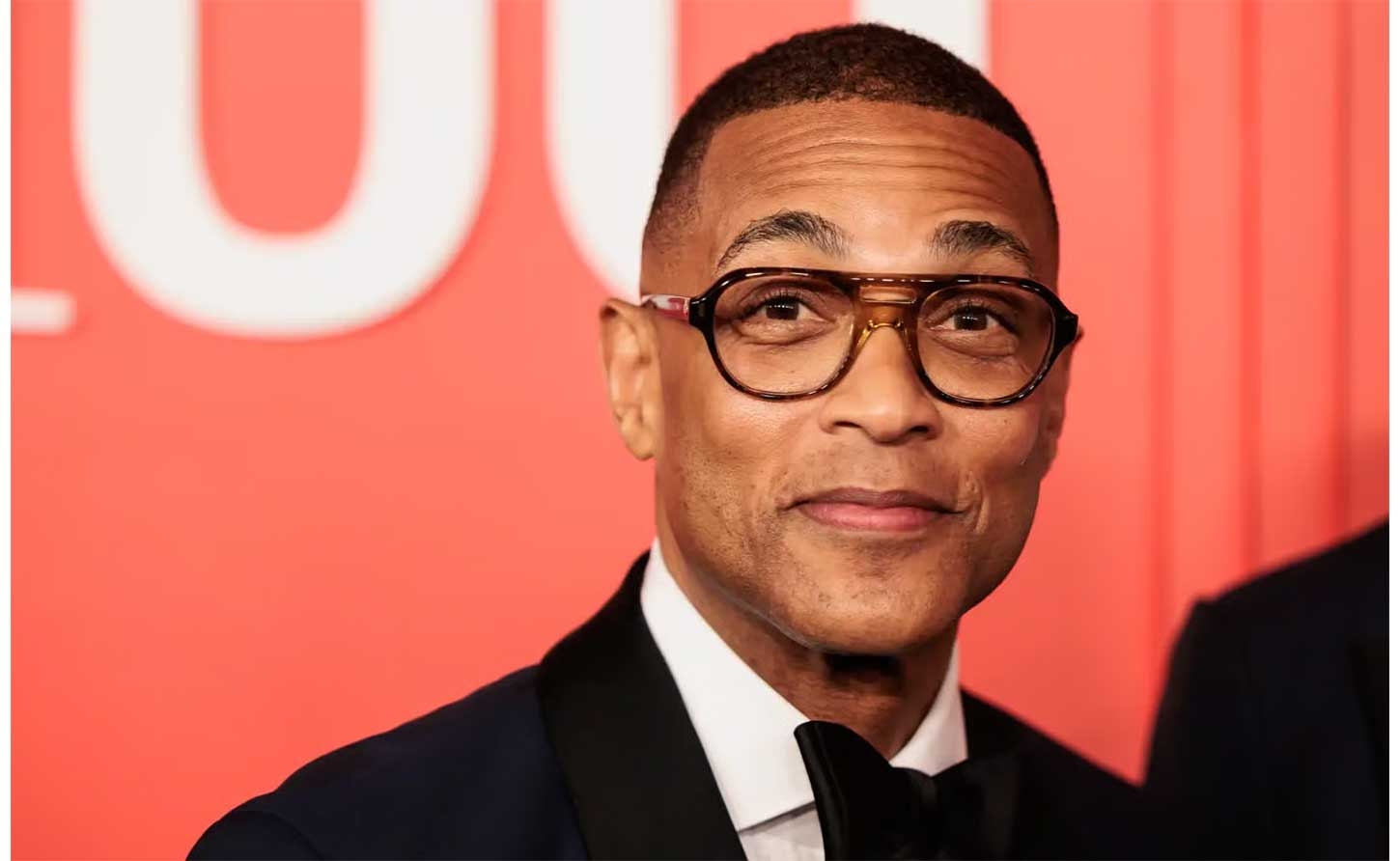
Former CNN Journalist Don Lemon arrested by Trump Asministration
The Trump administration’s arrest of a veteran journalist for documenting a church protest signals a dangerous new chapter in America’s war on accountability
UNITED STATES| January 30, 2026 - By WiredJa Staff - At midnight on Thursday, federal agents descended on Beverly Hills to arrest Don Lemon. The veteran journalist was in Los Angeles covering the Grammy Awards. His crime? Being present at a Minnesota church on January 18, where he livestreamed protesters who had discovered that one of the pastors moonlights as an ICE field director.
The arrest came despite a federal magistrate having twice rejected arrest warrants for Lemon, finding “no evidence” of criminal behaviour. The Justice Department persisted, empaneling a grand jury and dispatching FBI and Homeland Security agents to bring in one of America’s most recognizable Black journalists.
“Don has been a journalist for 30 years, and his constitutionally protected work in Minneapolis was no different than what he has always done,” his attorney Abbe Lowell said. What has changed is the administration’s willingness to criminalize witnessing.
The Bodies in Minneapolis
The church protest occurred against federal violence that has left two American citizens dead in Minneapolis this month. On January 7, ICE agent Jonathan Ross shot and killed Renee Good, a 37-year-old poet and mother, as she sat in her vehicle. Video contradicted administration claims she had “weaponized” her SUV. Minneapolis Mayor Jacob Frey’s assessment: “That is bullshit.”
Seventeen days later, Border Patrol agents surrounded Alex Pretti, a 37-year-old VA nurse filming their activities. They pepper-sprayed him, wrestled him down, and shot him multiple times in the back. A government review found no evidence Pretti attacked officers—contradicting Homeland Security Secretary Kristi Noem’s claim that he was a “domestic terrorist.”
Rather than investigating agents who killed two unarmed citizens, the Justice Department arrested the journalists who documented the aftermath.
A Coordinated Silencing
Lemon was not alone. Attorney General Pam Bondi announced four arrests: Lemon, independent journalist Georgia Fort, Trahern Jeen Crews, and Jamael Lydell Lundy. Fort filmed her own arrest as agents arrived at her door.
“I don’t feel like I have my First Amendment right as a member of the press,” Fort said, “because federal agents are at my door arresting me for filming the church protest.”
Lemon had been explicit about his role. “I’m not here as an activist. I’m here as a journalist,” he said during his livestream. After the magistrate rejected his arrest warrant, Lemon predicted what would come: “They’re going to try again. And guess what—here I am.”
The Broader Assault
These arrests fit an accelerating pattern. The United States now ranks 57th globally in press freedom—its lowest position since Reporters Without Borders began the index in 2002. The U.S. Press Freedom Tracker has documented at least 32 journalist arrests in 2025, along with 170 assaults on reporters, 160 by law enforcement.
The Committee to Protect Journalists issued an urgent statement: “Instead of prioritizing accountability in the killings of two American citizens, the Trump administration is devoting its resources to arresting journalists.”
The Message to the World
For Caribbean nations and democracies globally, Lemon’s arrest carries an unmistakable warning. When journalists can be arrested for documenting state violence, accountability dies. The administration that killed Renee Good and Alex Pretti now seeks to imprison those who told their stories.
Los Angeles Mayor Karen Bass: “President Trump is not deescalating after the fatal shootings of U.S. citizens by federal agents. The arrest of Don Lemon and Georgia Fort demonstrates quite the opposite—he is escalating.” Al Sharpton called it using “a sledgehammer” on “the knees of the First Amendment.”
CNN noted the DOJ had already failed twice to obtain warrants from courts that found no evidence of criminal conduct. The administration’s response was not to accept the ruling, but to find another path to the same destination.
Lemon will fight these charges. But the damage extends beyond one journalist. Every reporter considering documenting the next ICE raid now knows the cost. That is precisely the point.
The First Amendment protects those who shine light on power. In Minneapolis, that light revealed federal agents killing Americans on American streets. For that, the messenger now sits in federal custody.
-30-
