SPORTS | Trump’s ICE Immigration Crackdown Fuels Mass Boycott of the Beautiful Game: World Cup Football Attendance in Freefall
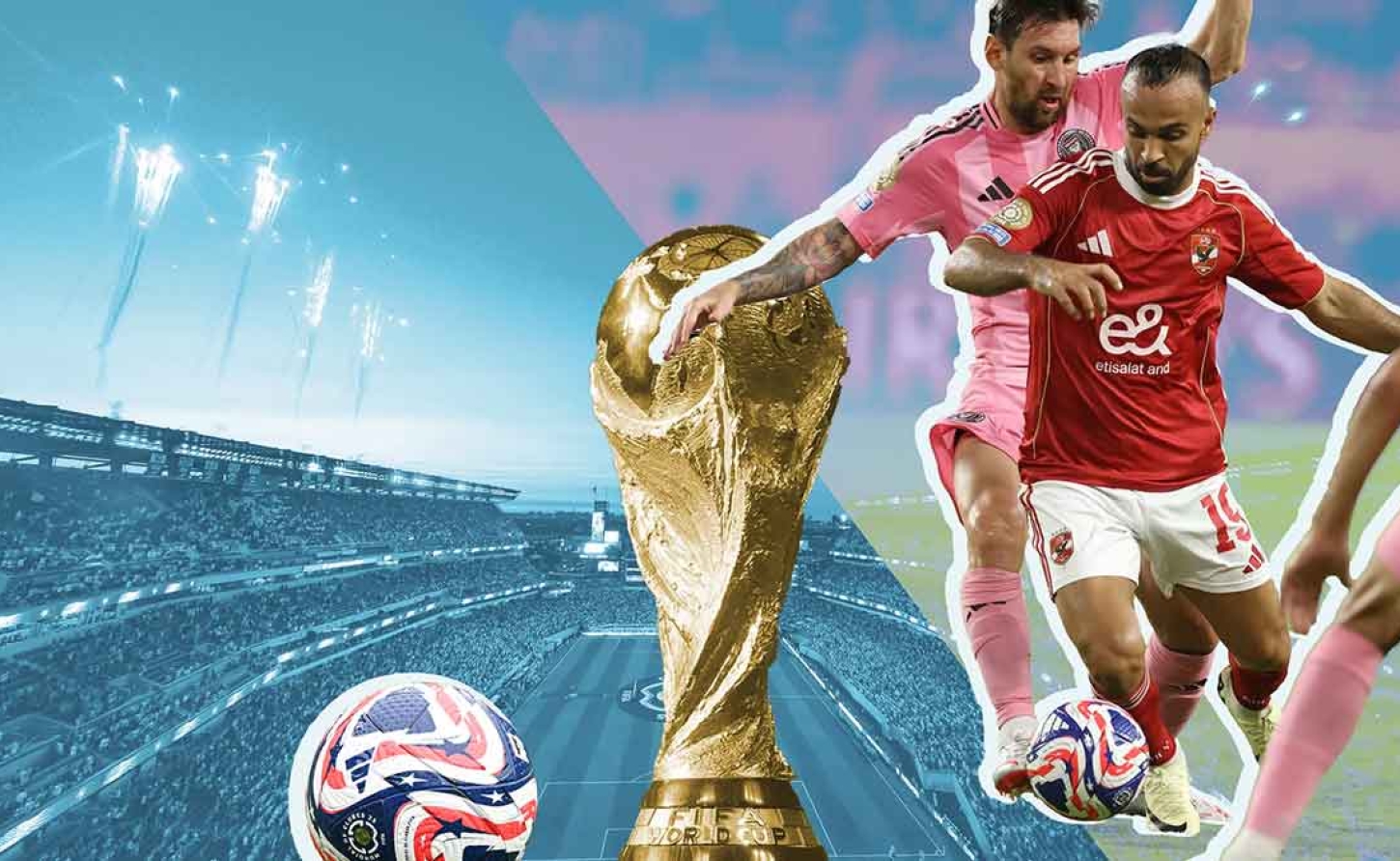
SPORTS | Trump’s ICE Immigration Crackdown Fuels Mass Boycott of the Beautiful Game: World Cup Football Attendance in Freefall
Five months before kickoff, a global boycott movement asks whether the world’s greatest sporting celebration can coexist with immigration raids, military adventurism, and a “Peace Prize” that mocks its own name -
MONTEGO BAY JAMAICA | January 15, 2026 - FIFA calls it the “largest World Cup ever”—48 teams, 104 matches, an anticipated 6.5 million fans flooding stadiums across North America.
The governing body boasts of 500 million ticket requests, a record-shattering figure that should herald football’s grandest celebration. Instead, five months before the opening whistle, the 2026 tournament finds itself engulfed in a political firestorm that threatens to turn the beautiful game’s showcase into a referendum on American democracy itself.
The numbers tell a troubling story. Reports indicate over 16,800 fans have cancelled their tickets amid a surging #BoycottWorldCup movement—figures FIFA disputes but cannot dismiss.
What began as isolated social media posts has metastasised into a coordinated global protest, with supporters from Europe, Africa, Asia, and Latin America publicly abandoning travel plans and posting refund confirmations instead of itineraries.
The catalyst is unmistakable. When Immigration and Customs Enforcement agents killed 37-year-old Renee Good, a mother of three, in Minneapolis earlier this month, shockwaves rippled far beyond Minnesota.
For international fans already anxious about the Trump administration’s aggressive immigration posture, her death crystallised fears that America is simply not safe to visit.
“ICE can decide I’m a gang member and lock me up in prison for a year without charges, without a hearing, without a trial, without the right to consult a lawyer or make any phone calls. It’s not safe to visit the United States.”
Those words belong to Mohamad Safa, a Lebanese diplomat and UN-accredited NGO director, who publicly cancelled his World Cup tickets.
His sentiment echoes across continents—from African fans facing new $250 visa integrity fees to supporters from nations now subject to immigrant visa processing suspensions. The message is consistent: this America feels hostile to outsiders.
But the boycott extends beyond immigration fears. In Westminster, 25 Members of Parliament from Labour, the Liberal Democrats, the Green Party, and Plaid Cymru have signed an extraordinary motion calling on FIFA to expel the United States from its own tournament.
Their demand? That America demonstrate “clear compliance with international law and respect for the sovereignty of other nations” before hosting football’s crown jewel.
The MPs’ grievance centres on Venezuela—specifically, the Trump administration’s military raid on Caracas that seized President Nicolás Maduro and his wife in what lawmakers characterise as “the kidnapping of a president.”
Add Trump’s threats against Mexico (a co-host nation), his warning to Colombian President Gustavo Petro to “watch his ass,” his suggestion that military action in Colombia “sounds good,” and his declaration that Cuba is “ready to fall”—and the parliamentary motion’s logic becomes clear.
“Let’s have consistency,” demanded Labour MP Brian Leishman. “It’s an invasion of a sovereign nation. When you see how Russia has been treated, which is absolutely correct, I just want there to be consistency.”
The Russia comparison cuts deep. FIFA swiftly banned Russian participation following the 2022 Ukraine invasion—a sanction that remains in force.
Yet the same governing body that expelled Moscow now finds itself in an intimate embrace with Washington, having awarded Donald Trump its inaugural “Peace Prize” just weeks before American special forces conducted their Venezuelan operation. The cognitive dissonance is staggering.
For Caribbean observers, the implications resonate with particular urgency. The region’s fans—already navigating visa complications, travel costs, and the ever-present anxiety of crossing into American jurisdiction—now confront a tournament where one co-host nation openly threatens others in the hemisphere.
Trump’s rhetoric toward Mexico, a fellow host, makes mockery of the spirit of international cooperation that world football supposedly embodies. That CARICOM recently welcomed Interpol’s Secretary General to discuss “strengthening safety and security” even as American immigration enforcement terrorises visitors exposes the hollow contradictions of the current moment.
FIFA, predictably, has dismissed reports of mass cancellations as “false” while touting its record ticket demand. The governing body appears determined to proceed as though 500 million requests can drown out the inconvenient questions.
Perhaps they can. Perhaps the intoxicating pull of World Cup football will overwhelm political conscience, and June will see packed stadiums regardless of the geopolitical tempest.
But the questions will not disappear. What does it mean when the world’s unifying sporting event becomes a stage for a government that threatens its neighbours with military force?
What precedent does silence set when FIFA honours a leader with a “Peace Prize” while he wages undeclared wars across the Western Hemisphere? And what becomes of international sport when attending a football match requires calculating whether immigration agents might decide you look like a gang member?
The beautiful game has always been political—from Mussolini’s 1934 propaganda showcase to Argentina’s 1978 whitewashing of dictatorship. But rarely has a World Cup faced such a direct collision between its rhetoric of global unity and the brutal realities of its host nation’s conduct.
Five months out, the tournament’s legacy hangs in the balance. The world is indeed watching. The question is whether FIFA—and football—will have the courage to watch back.
-30-
