
GUYANA | The Poverty Behind the Petrodollar PR: Guyana’s Uncomfortable Truth
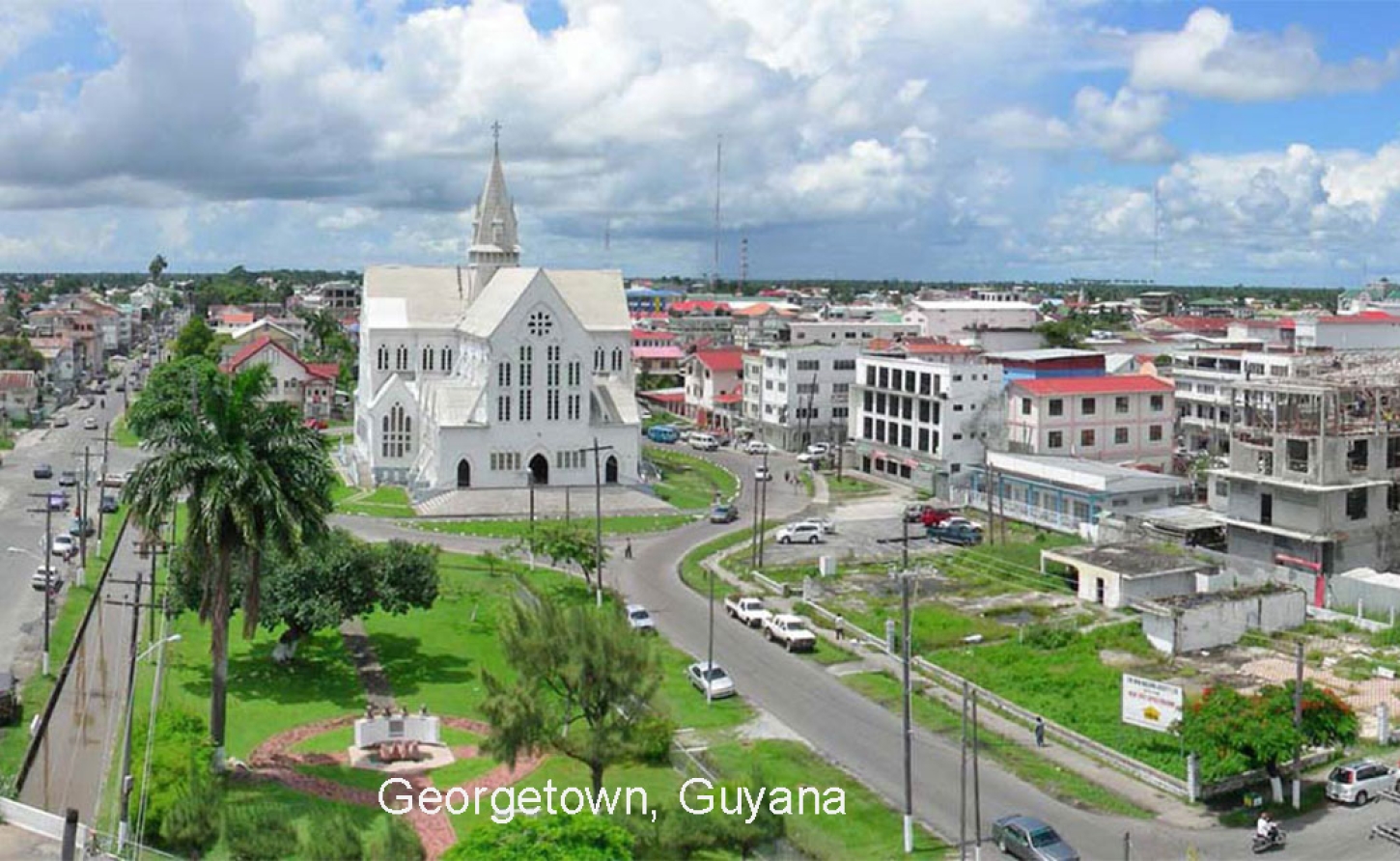
Down Town Georgetown, Guyana
An Op-Ed by Calvin G. Brown
MONTEGO BAY, Jamaica February 11, 2026 - I must confess, I was somewhat taken aback by the revelations contained in veteran trade unionist Lincoln Lewis’s recent article entitled “Three Decades of PPP Governance, Oil Wealth Fails to End Poverty.” Not because the substance was unfamiliar—those of us who watch Caribbean affairs closely have long suspected the gap between Georgetown’s glittering press releases and ground-level reality. What struck me was the unvarnished clarity with which Lewis laid bare the contradiction at the heart of Guyana’s so-called economic miracle.
Here is a nation that has become the darling of international financial media. The “fastest-growing economy in the world,” we are told. A petro-state transformation story that should make other Caribbean nations green with envy. The Irfaan Ali/Bharrat Jagdeo-led People’s Progressive Party government has invested heavily in this narrative, projecting an image of prosperity and progress to the world. The public relations machinery hums efficiently, churning out impressive GDP figures and oil production statistics.
Yet poverty, it seems, did not receive the memo.
The Numbers Don’t Lie
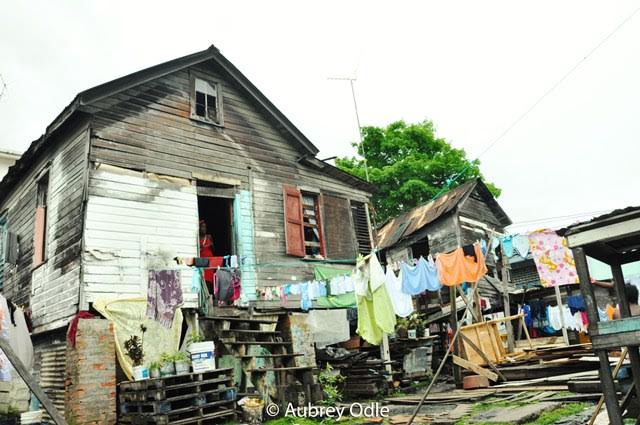 Lewis presents an arithmetically devastating case. The Inter-American Development Bank’s 2025 report reveals that more than half of Guyana’s population lives in poverty. Let that sink in. More than half. This in a country that has earned over US$8.25 billion in cumulative oil revenues since production commenced in late 2019.
The PPP’s attempt to blame this state of affairs on the Granger/Nagamootoo administration strikes Lewis—and should strike any reasonable observer—as intellectually dishonest. As he correctly notes, the PPP has controlled government for 30 of the past 33 years. They inherited an economy already improving under Desmond Hoyte’s stewardship in 1992. They inherited an oil-producing nation in 2020. The excuses have expired.
Meanwhile, ordinary Guyanese watch their currency bleed value—from G$125 to the US dollar in 1992 to approximately G$240 today. They read Stabroek News columns where their fellow citizens describe lives devastated by rising costs. They survive on remittances from relatives abroad, waiting for the oil wealth to trickle down to their tables. They are still waiting.
The Racial Dimension Cannot Be Ignored
Lewis ventures into territory that many commentators avoid: the specific poverty of African Guyanese communities. Citing the United Nations’ International Decade for People of African Descent—extended because “insufficient progress” had been made globally—he asks pointedly what the Guyana government has done to address documented disparities.
The IDB report itself identifies Afro-descendants as experiencing poverty rates higher than the general population. Attorney Nigel Hughes has documented inequities in contract allocations. Dorwain Bess, a pioneer in Guyana’s oil services sector, has publicly shared his experience of exclusion despite his contributions to the very industry supposedly transforming the nation.
These are not abstract statistics. These are people—citizens of a country awash in petroleum wealth who nonetheless find themselves on the outside looking in.
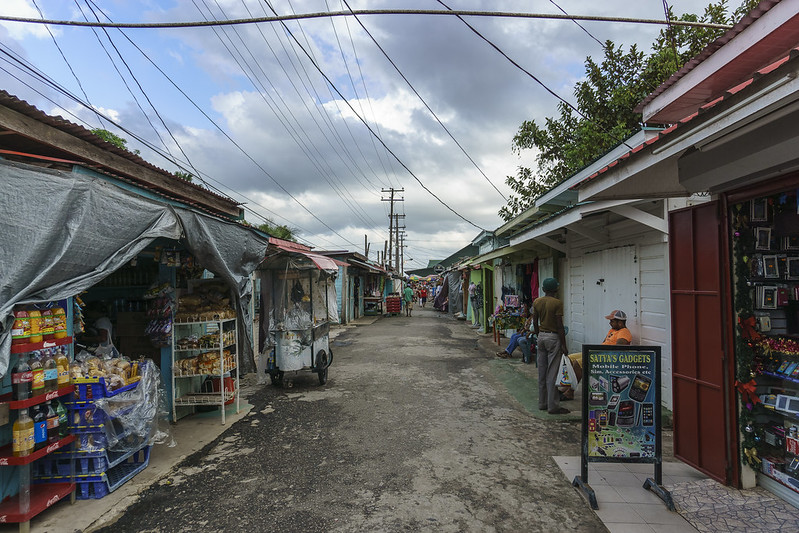 The Inherited Burden Combating Homelessness in GuyanaThe Courage to Speak
The Inherited Burden Combating Homelessness in Guyana
What I find most remarkable about Lewis’s intervention is his willingness to name names and demand accountability. He criticises not only the PPP but also those within the African community who have become, in his words, “political props, wielding the sword of hate and humiliation against their own people in exchange for a seat at the table.”
This is not comfortable reading. It is not meant to be.
Lewis calls for “inclusionary democracy” as enshrined in Guyana’s Constitution—shared governance that ensures no community is systematically marginalised regardless of which party holds power. It is a demand that successive governments have found convenient to ignore.
The Caribbean Is Watching
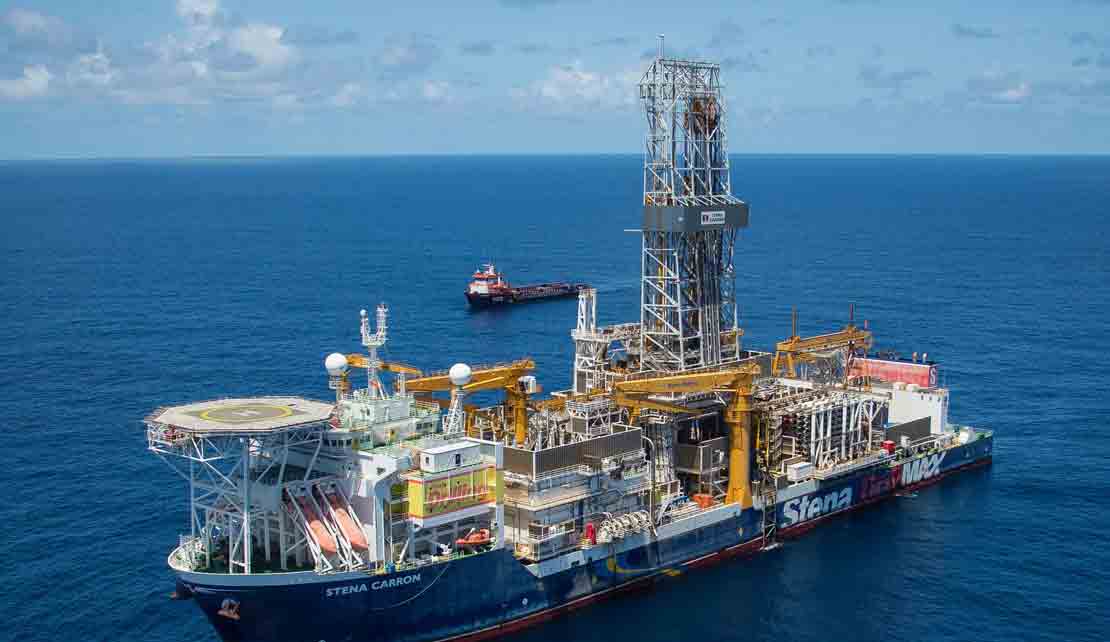
Guyana's Stena Carron drill ship
The Ali/Jagdeo administration will no doubt continue its international PR offensive, and impressive GDP figures will continue to flow. But as Lincoln Lewis has reminded us, there are Guyanese citizens for whom those figures mean nothing—citizens catching hell while their government catches headlines.
The question Guyana must answer is not whether it can produce oil. It is whether it can produce justice.
-30-
Calvin G. Brown is the founder and editor of WiredJa News and wiredja.com
