JAMAICA | Pageantry as Power: What China’s New Year Celebration Really Signaled in Jamaica
JAMAICA | Pageantry as Power: What China’s New Year Celebration Really Signaled in Jamaica
By O. Dave Allen
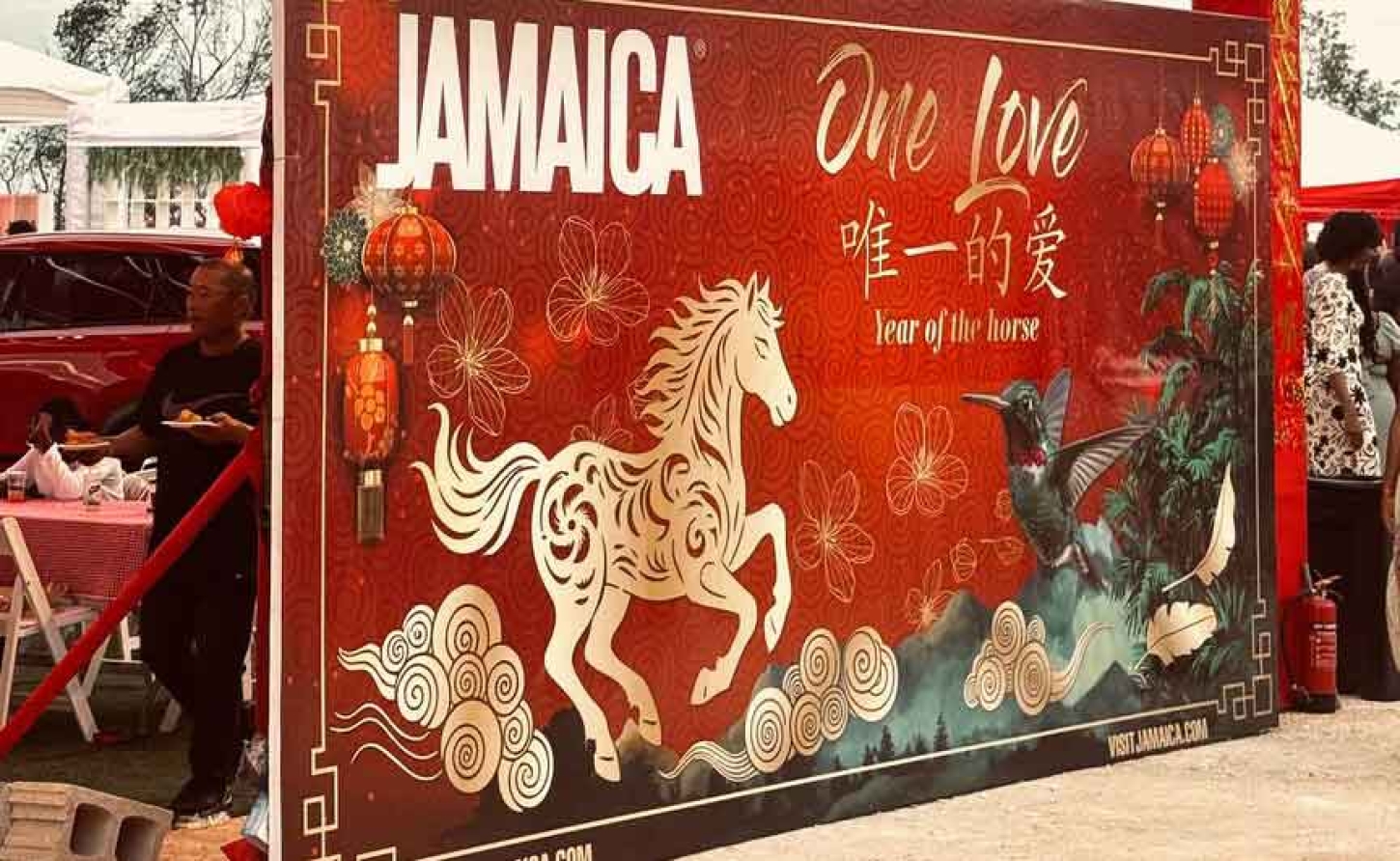
MONTEGO BAY, Jamaica, February 23, 2026 - What unfolded on Sunday at the Chinese New Year celebrations was more than a cultural showcase. It was a lesson in soft power—carefully staged, confidently delivered, and politically fluent. The event revealed how deeply China now understands the language of influence in Jamaica, and how comfortably that influence is received.
Yes, the Chinese community has been woven into Jamaica’s social and commercial life for more than 170 years. But this year marked a shift. The scale, symbolism, and unmistakable presence of the state moved the celebration beyond tradition. This was not just the turning of the lunar calendar; it was geopolitics expressed through culture.

O. Dave Allen is Chairman of the Community Organization for Management and Sustainable Development (COMAND), and a community development practitioner and writer based in Montego Bay
Against the towering backdrop of the 28-storey Pinnacle Resort, the symbolism was hard to miss: permanence, access, and confidence captured in a single frame. Influence made visible.
In a small state like Jamaica—where economic vulnerability meets global competition—such moments carry weight. They signal comfort and alignment. They speak not only to a local audience, but to watching capitals abroad.
And they were watched.
Washington, long accustomed to viewing the Caribbean as part of its strategic backyard, could not have overlooked the scene. The issue is not cultural celebration. It is what happens when that celebration carries the full imprimatur of the state. A Prime Minister’s presence at an event so clearly projecting the consolidation of Chinese influence invites questions about balance, leverage, and long-term positioning.
This is how China practices modern diplomacy. It does not arrive with gunboats or ultimatums, but with festivals, infrastructure, financing, and visibility. It embeds itself in daily life—ports, highways, hotels, housing, telecommunications—and then reinforces that presence through cultural legitimacy and political normalization.
Sunday’s celebration did exactly that.
The government’s public expressions of gratitude for Chinese support during and after Hurricane Melissa added another layer. Disaster diplomacy is among the most potent tools of soft power. Help offered in moments of crisis generates emotional capital and political goodwill that often outlast formal agreements.
None of this is inherently sinister. Jamaica is a sovereign country, free to diversify partnerships and pursue investment wherever it finds it. China has stepped into financing and infrastructure gaps that traditional partners were slow—or unwilling—to fill.
But sovereignty does not excuse strategic complacency.
The question is not whether Jamaica should engage China. That decision was made years ago. The real issue is whether we are managing the relationship with enough transparency, reciprocity, and long-term vision—or whether we are drifting into imbalance under the warm glow of spectacle and ceremony.
Soft power works precisely because it feels harmless.
What made this event stand out was not just its polish, but its assurance. It reflected a Chinese community secure in its place, its protection, and its access within Jamaican society. The extraordinary corporate and political turnout suggested that this influence is no longer peripheral. It is mainstream—accepted, normalized, and rarely questioned.
That reality, more than any dragon dance or fireworks display, deserves scrutiny.
Credit is due where it belongs. Yansing Li, the principal organizer, delivered an event of rare discipline and finesse. The pageantry was flawless. The messaging was tight. The execution was world-class. As an exercise in public diplomacy, it succeeded completely.
Which is exactly why it warrants serious analysis.
In geopolitics, nothing of this scale happens by accident. Culture becomes currency. Celebration becomes communication. Presence becomes policy.
Jamaica is now navigating a crowded geopolitical field—China, the United States, Europe, and emerging powers all competing for influence through investment, aid, and narrative. The challenge for our leaders is to engage without becoming captured, to welcome without surrendering leverage, and to celebrate diversity without mistaking hospitality for alignment.
Sunday’s spectacle was impressive. It was also instructive.
The real test is not how elegantly we host festivals, but how clearly we define our national interests when the music fades and the lights come down.
-30-
O. Dave Allen is Chairman of the Community Organization for Management and Sustainable Development (COMAND), and a community development practitioner and writer based in Montego Bay, Jamaica. Send your comments to Email:
