JAMAICA | Why Jamaica Must Remember Venezuela: Lessons for a Younger Generation Amid Rising Geopolitical Pressure
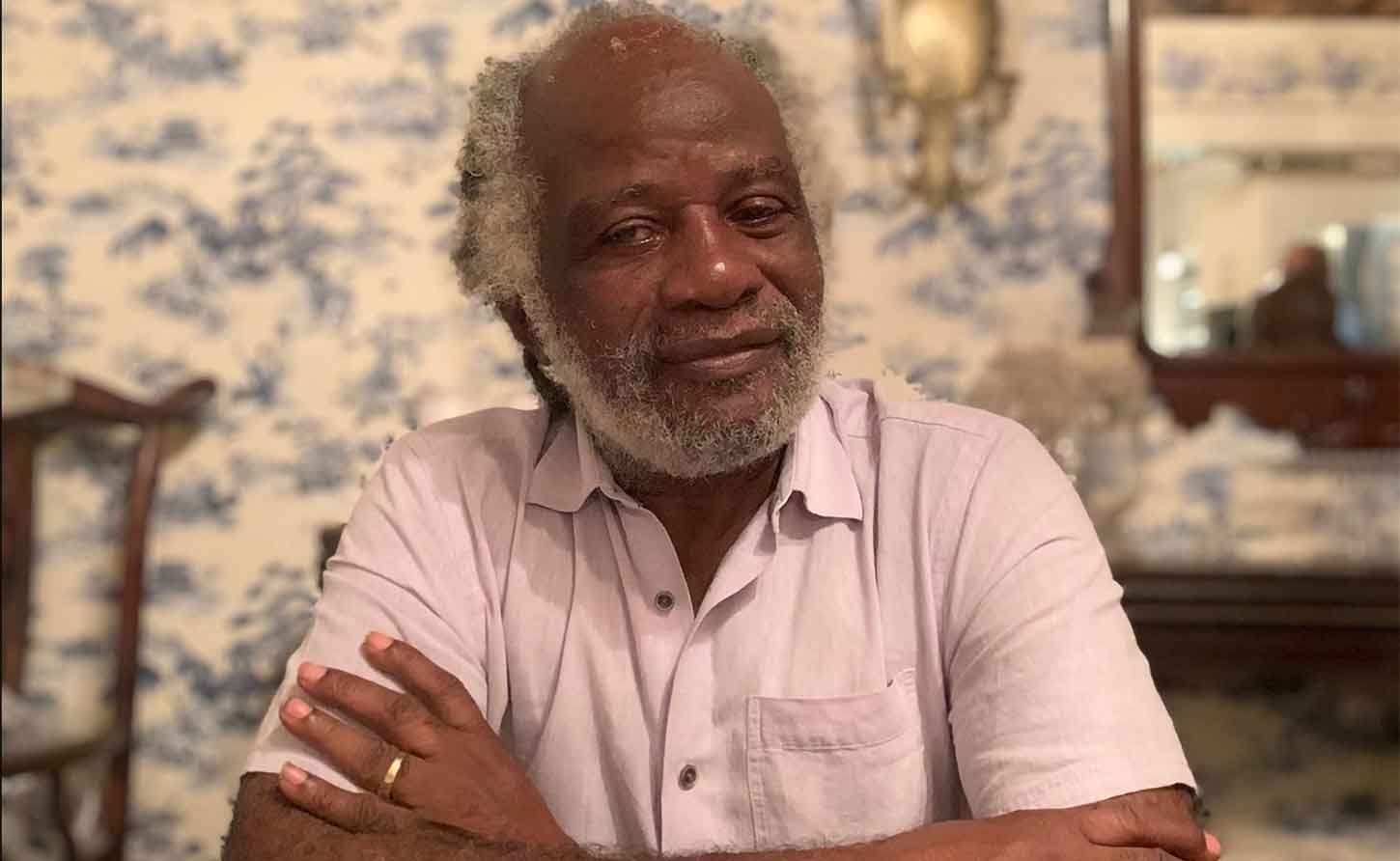
Community Development Activator and Social Commentator, O. Dave Allen
By O. Dave Allen
MONTEGO BAY, DECEMBER 3, 2025 - As tensions between the United States and Venezuela escalate, Jamaica once again finds itself navigating the delicate waters of great-power competition. The calls for regional countries to align with Washington’s position are growing louder.
Yet before Jamaica is pressured into making foreign-policy choices that erase history, it is important—especially for younger Jamaicans—to understand the deep fraternal relationship that has long existed between Jamaica and Venezuela.
This sentiment, held strongly by many older Jamaicans, is not rooted in anti-Americanism. It is grounded in memory, respect, and gratitude. It reflects an understanding that Venezuela has been one of Jamaica’s most consistent development partners, long before the modern geopolitical rivalry.
A Fraternal Bond Rooted in History
The relationship between Jamaica and Venezuela can be traced back to 1815, when Simón Bolívar, the Liberator of Latin America, sought refuge in Kingston after being forced into exile. It was here that Bolívar wrote his famous Letter from Jamaica, a political manifesto that laid the foundation for the liberation movements across Latin America.
Venezuelans have long remembered Jamaica’s role in that chapter of their independence story. It created a moral foundation for regional solidarity—a foreign-policy philosophy based not on coercion or conditionality, but on fraternity.
The San José Accord: Stability in a Volatile Era
In the 1980s, during a period marked by oil shocks and global economic turbulence, Venezuela and Mexico established the San José Accord, providing concessionary oil to Caribbean and Central American countries. For Jamaica, the benefits were transformational.
Under the Accord:
- Jamaica received up to 20,000 barrels of oil per day at concessionary prices.
- Part of the oil bill could be financed over 25 years at 2–3% interest.
- Jamaica gained access to a development fund that supported social programmes and community initiatives.
- The arrangement provided vital budget stability, protecting the Jamaican dollar during periods of global volatility.
This programme helped cushion the Jamaican economy during periods when the international energy market was unforgiving.
PetroCaribe: The Most Transformative Partnership in Modern Jamaican History
While the San José Accord provided stability, PetroCaribe—launched in 2005 by President Hugo Chávez—provided development momentum. No other international programme, before or since, has given Jamaica such favourable financing terms.
Jamaica paid only 40–60% of its oil bill upfront, while the balance was converted into a 25-year loan at 1% interest (later reduced to 0.5%). This freed hundreds of millions of U.S. dollars annually, allowing the government to maintain social programmes and invest in infrastructure during some of Jamaica’s most difficult economic years.
The deferred payments accumulated into the PetroCaribe Development Fund, which grew to an estimated J$350 billion (US$3 billion)—the largest development fund in the nation’s history.
PetroCaribe financed:
- school construction
- urban and rural housing
- community-renewal projects
- sugar industry support
- energy-efficiency programmes
- scholarships and social interventions
- critical infrastructure, including elements of the North–South Highway
Even more impactful was the 2015 PetroCaribe debt buy-back agreement, which allowed Jamaica to retire US$3.2 billion in outstanding debt for US$1.5 billion, producing one of the largest single debt-reduction gains in modern Caribbean history and immediately lowering Jamaica’s debt-to-GDP ratio by almost 10%.
These benefits were not symbolic; they shaped real communities and protected vulnerable households during the global recession.
A Generational Disconnect
For older Jamaicans, Venezuela is remembered as a reliable friend that offered support without seeking to undermine our sovereignty. For younger Jamaicans, whose political consciousness has formed in the era of sanctions, media portrayals, and geopolitical tension, that memory is fading.
But the facts remain: Venezuela stood with Jamaica during moments when global lending institutions imposed austerity, when fuel prices soared, and when social programmes were at risk.
This is why older Jamaicans view Venezuela not through the lens of ideological conflict, but through the lens of lived cooperation.
Foreign Policy in a New Cold War
Jamaica’s foreign policy must be anchored in principles, not pressure. As the world enters a new era of division, small states like ours must protect their right to maintain balanced and independent diplomatic positions.
This is not a call to reject the United States. Instead, it is a reminder that Jamaica must not abandon historic friends simply because geopolitical winds have shifted. International relations require memory, fairness, and respect.
Countries—like people—should not forget those who helped them in times of need.
Where We Go From Here ?
As Jamaica weighs its position in the evolving U.S.–Venezuela dispute, a younger generation must be equipped with the full history. They must understand that Venezuelan support was not charity, nor was it transactional—it was solidarity based on shared regional identity and mutual respect.
Jamaica’s future foreign-policy choices must reflect that understanding.
In the end, gratitude is not disloyalty. Balance is not betrayal. And remembering our friends is not a crime.
-30-
Please send comments to O Dave Allen,
