
JAMAICA THE BAIT, CUBA THE PRIZE

US President Donald Trump has nominated Kari Lake to serve as the US ambassador to Jamaica following her tumultuous tenure at the helm of the U.S. Agency for Global Media
Kari Lake Comes With the Big Stick as China’s Belt and Road Tightens Its Grip
MONTEGO BAY, Jamaica, July 28, 2026 - By O. Dave Allen - Jamaica must not exchange one dependency for another. Its strongest defence is a deliberate economic turn toward Africa and the wider Global South.
Jamaica is entering a dangerous geopolitical moment. The contest between the United States and China is no longer distant. It is being fought through investment, infrastructure, strategic minerals, technology, finance and diplomatic influence. Small states like Jamaica can easily become trapped between the pressure of one great power and the economic embrace of another.
The proposed arrival of Kari Lake as United States Ambassador to Jamaica sharpens that reality. Lake is not a conventional diplomat. She is a prominent MAGA conservative, a fierce Trump loyalist and a committed advocate of America First.
She would come to Kingston carrying the political weight of an administration determined to restore American dominance in its strategic neighbourhood. In that sense, Kari Lake comes with the big stick.
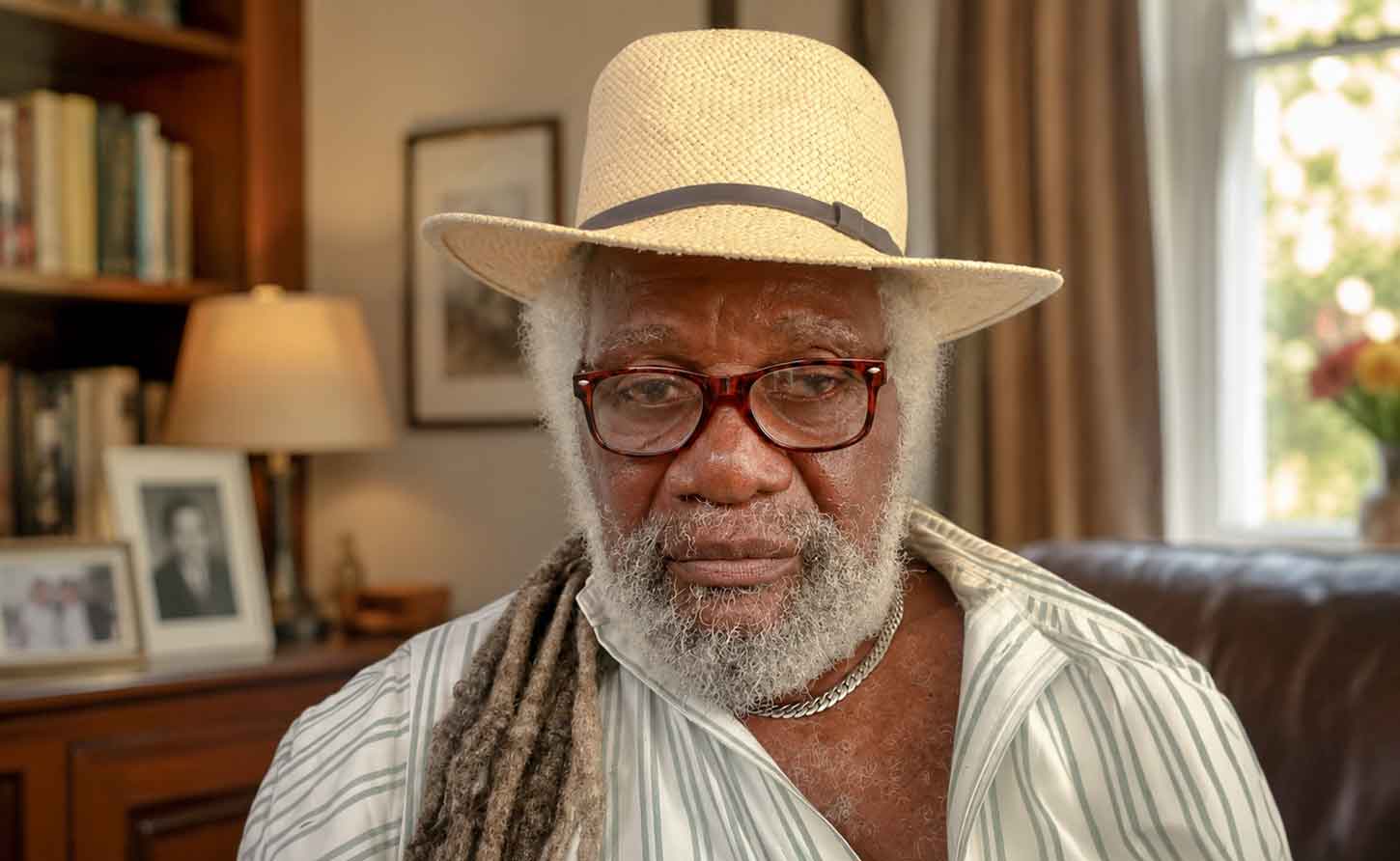
Author and community development specialist, O Dave Allen
In 2016, JISCO acquired the Alpart alumina operation in St Elizabeth for approximately US$299 million. That investment demonstrated both China’s appetite for strategic resources and Jamaica’s vulnerability as a small economy seeking capital.
The issue is not whether Chinese investment is inherently good or bad. The issue is dependence.
As the Belt and Road tightens its grip, Jamaica may find that disengagement becomes increasingly costly. Yet Washington may also become more aggressive in demanding that Caribbean states limit China’s influence.
Jamaica could therefore be squeezed between American political pressure and Chinese economic leverage. Jamaica may be the bait. Cuba remains the prize.
Cuba has always occupied a special place in American strategic thinking. Its location, political history and relationship with rival powers make it central to Washington’s view of the Caribbean.
As the United States faces a more contested global order, it is likely to consolidate its influence closer to home—from Greenland and the Arctic through the Caribbean, Central America and South America.
Jamaica’s proximity to Cuba gives us strategic importance, but importance is not the same as power. Unless we develop alternatives, our location can become something others use rather than something we use for ourselves. That is why Jamaica must now look seriously to Africa.
For too long, our relationship with Africa has remained largely historical, emotional and cultural. We invoke the motherland, celebrate Marcus Garvey and speak proudly of our African ancestry. But goodwill must now be converted into trade, investment, finance and industrial cooperation.
Africa possesses many of the strategic minerals required to power the Fourth Industrial Revolution.
These resources are essential to batteries, renewable energy, electronics, telecommunications and advanced manufacturing. The major powers understand this. China understands it. America understands it. Europe understands it. Jamaica must understand it too.
Africa is not merely the continent of our past. It is one of the most important economic theatres of our future.
The Caribbean already has an institutional bridge through the African Export-Import Bank. Afreximbank’s US$5-billion facility for CARICOM creates an opening that previous generations could only imagine. But a facility is meaningful only if we use it.
Jamaica should be asking how this financing can support manufacturing, agro-processing, renewable energy, technology, tourism, logistics, fashion and the creative industries. We should also be asking how Jamaican businesses can enter African markets and how African capital can find a home in Jamaica.
The goal must be an Africa-Caribbean economic corridor, not another line of credit.
Michael Manley understood decades ago that developing countries needed stronger South-South relationships to reduce their dependence on traditional centres of power. His argument was dismissed by some as ideological. Today it looks strategic.
The Global South has matured. Africa has capital, markets, technology, financial institutions and a young population that will help shape the future of the world economy. Jamaica should establish a deliberate African trade and investment strategy and create an Africa-Caribbean Trade and Investment Centre in Montego Bay.
This is not an argument against the United States. America will remain one of Jamaica’s most important partners. It is not an argument against China. Chinese investment can continue to contribute to Jamaica’s development. It is an argument against dependency.
The safest Jamaica is not one that chooses Washington over Beijing or Beijing over Washington. It is one that has enough partners to refuse domination by either.
A country with one financier negotiates from weakness. A country with several credible partners negotiates with leverage.
America will pursue America First. China will pursue its strategic interests. Cuba will defend Cuba. Jamaica must pursue Jamaica First.
That means engaging Washington where our interests coincide, Beijing where our interests coincide, and Africa where new opportunity can be created. It means using CARICOM to strengthen our bargaining power and the Afreximbank facility to build productive capacity, not merely consumption.
The motherland must no longer be only where we look for identity. Africa must become a source of capital, technology, markets, partnership and ownership.
As Kari Lake approaches with the big stick and the Belt and Road tightens its grip, Jamaica’s best defence is not submission to one side or the other.
It is diversification. It is South-South cooperation. It is economic sovereignty. And it is the confidence to ensure that Jamaica is never anybody’s pawn.
O. Dave Allen
THE O. DAVE ALLEN BRIEF • COMMENTARY | POLICY | DEVELOPMENT
