
SPORTS | The World’s Cup, With the World Locked Out
SPORTS | The World’s Cup, With the World Locked Out
Haiti waited fifty-two years to return to football’s greatest stage. Washington’s visa regime ensured most Haitians watched it on television. The 2026 World Cup was not fixed — but neither was it neutral.
MONTEGO BAY, Jamaica -July 31, 2026 - By Calvin G. Brown | Curaçao arrived at the 2026 FIFA World Cup carrying a record no nation had ever held. With a population just over 155,000, the island became the smallest country ever to qualify, sealing its place with a goalless draw against Jamaica at the National Stadium in Kingston.
Haiti arrived carrying something heavier: fifty-two years of waiting since its only previous appearance, in West Germany in 1974. Two Caribbean miracles, earned on the field of play. What happened at the gate was decided somewhere else entirely.
The Proclamation
On 1 January 2026, five months before the opening whistle, Presidential Proclamation 10998 took effect, suspending or limiting entry and visa issuance to nationals of thirty-nine countries. Haiti was among them. Haitian applicants could still file and attend interviews; they simply might be found ineligible for a visa or for admission.
The pattern extended well beyond the Caribbean. A short-lived visa bond scheme demanded deposits as high as US$15,000 from supporters of several African nations before it was suspended for ticket holders. Omar Artan, set to become the first Somali referee to officiate at a World Cup, was refused entry despite valid documents.
Fans from Morocco and Scotland who had already paid for flights, hotels and tickets reported travel documents revoked days before departure. UN High Commissioner for Human Rights Volker Türk called for a wholesale rethink of United States immigration policy, saying he hoped racial profiling, surveillance and immigration enforcement would not shape the tournament as they already had.
The Price of Entry
For those who could get in, FIFA had built a second gate. For the first time, the governing body applied dynamic pricing. The most expensive seats for the final at MetLife Stadium opened at US$6,730 and reached US$10,990 by the April sales window; the equivalent category in Qatar in 2022 cost roughly US$1,600. FIFA president Gianni Infantino projected tournament revenues above US$11 billion.
The attorneys general of New York and New Jersey opened an investigation into FIFA’s ticketing practices. Football Supporters Europe and Euroconsumers filed a complaint accusing FIFA of abusing a monopoly position. FIFA’s answer, repeated throughout, was that it was adapting to the American market. That is precisely the objection.
One Phone Call
Then came the round of thirty-two. United States striker Folarin Balogun was sent off against Bosnia and Herzegovina, triggering an automatic one-match ban. President Donald Trump telephoned Infantino and asked him to review the decision. FIFA suspended the ban under Article 27 of its disciplinary code, converting it into a year’s probation. By one reckoning, it was the first World Cup red card since 1962 to produce no suspension.
UEFA said FIFA had crossed a red line, calling the decision unprecedented, incomprehensible and unjustifiable. Belgium’s federation challenged it and was ruled to have no standing. Infantino confirmed the call but maintains he told Trump that FIFA’s independent judicial bodies would decide, and that he did not interfere. Balogun played. The United States lost 4–1 and went home.
That last detail matters. Nothing was purchased on the scoreboard. What was purchased was the principle that a host head of state can reach into a disciplinary process and have it move.
Curaçao and Haiti earned their entry on the field. The gate was controlled by people who had never kicked a ball.
The Pattern
None of this arrived without warning. In December, at the draw in Washington, FIFA awarded Trump an inaugural Peace Prize it had invented for the occasion, prompting the rights group FairSquare to lodge an ethics complaint alleging repeated breaches of FIFA’s statutory duty of political neutrality.
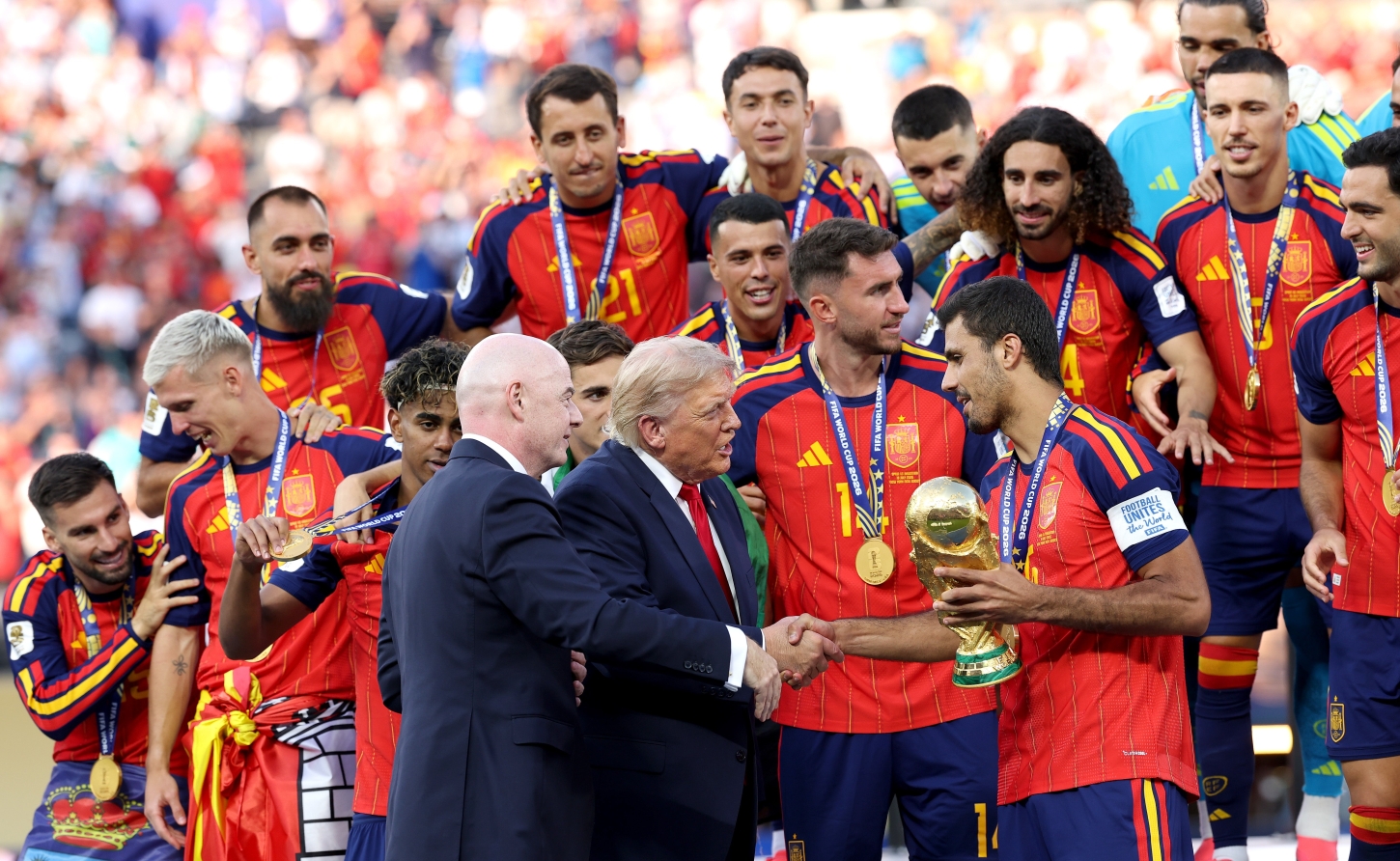
Since the final — won by Spain over Argentina at MetLife on 19 July, with Trump and Infantino holding the trophy together before it reached the Spanish captain — more than seventy European lawmakers have demanded an investigation, Norway’s federation has signalled a formal complaint, and Congressman Jamie Raskin has demanded FIFA’s records of its dealings with the Trump administration dating back to 2024.
The fixing conspiracies that swirled around Argentina remain unproven, and FIFA refereeing chief Pierluigi Collina was right to warn that unfounded allegations endanger officials. A separate FBI inquiry into how the Argentine federation structured its international commercial agreements has produced no charges in either country. Corruption of results is not the charge that sticks.
The charge that sticks is narrower, and worse. A tournament that calls itself the world’s was priced beyond most of the world and gated by a proclamation. Curaçao and Haiti earned their places. Their people were largely kept from watching them.
— 30 —
