
ANTIGUA | Gaston Browne terminates medical partnership with Cuba - raises questions about U.S. pressure and healthcare system stability
ANTIGUA | Gaston Browne terminates medical partnership with Cuba - raises questions about U.S. pressure and healthcare system stability
Gaston Browne spent nine months defending Cuban doctors as the "core" of Caribbean healthcare. Then he sent them home without explanation, leaving the opposition to express the gratitude his government wouldn't.
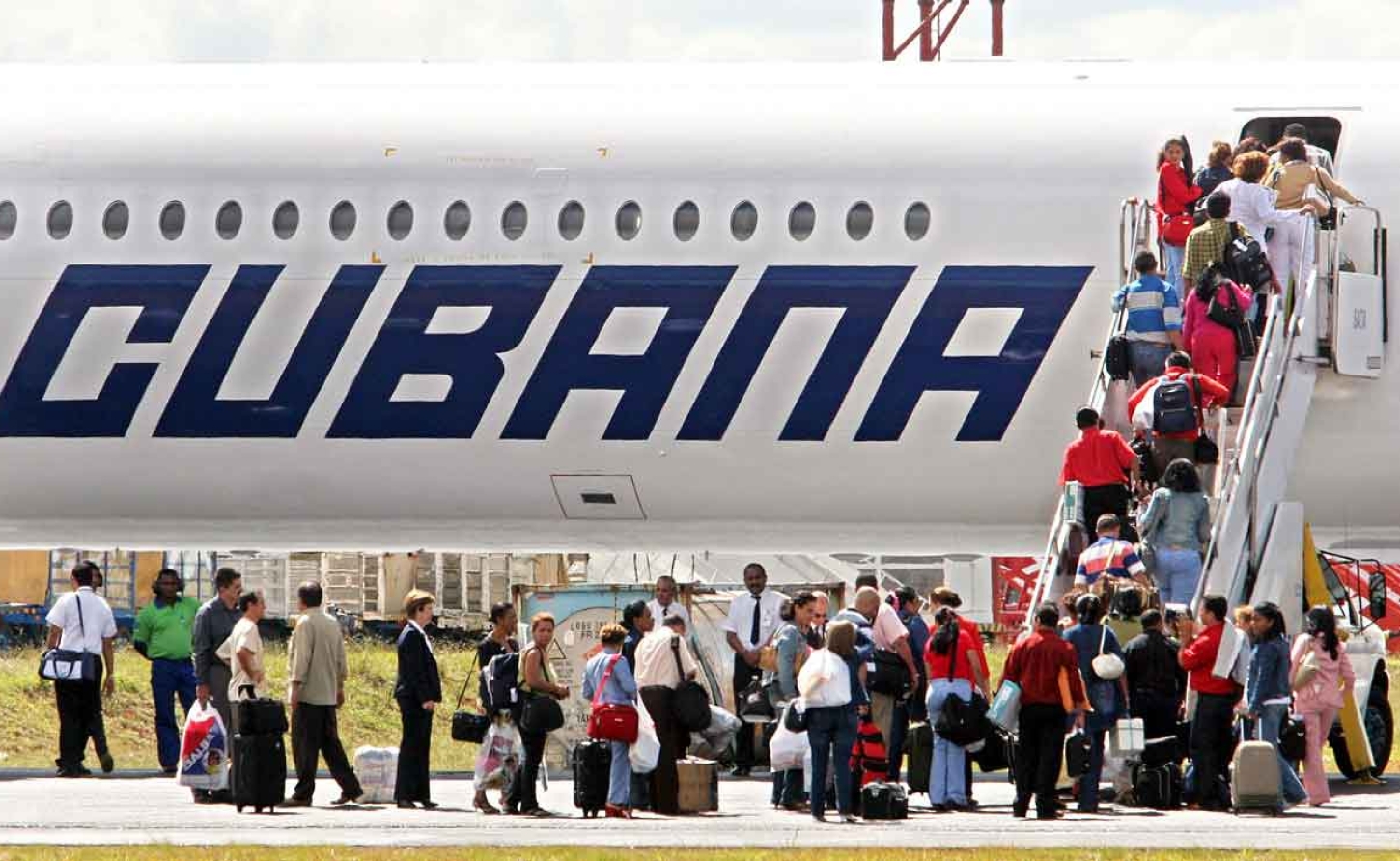
ST JOHN'S ANTIGUA, December 20, 2025 - The last Cuban medical professionals departed Antigua and Barbuda in December 2025, ending a partnership that Prime Minister Gaston Browne had declared "fundamental" to his nation's healthcare just nine months earlier.
What should have been a significant policy announcement—the termination of a decades-old bilateral health cooperation agreement—instead became a case study in governmental silence and political capitulation.
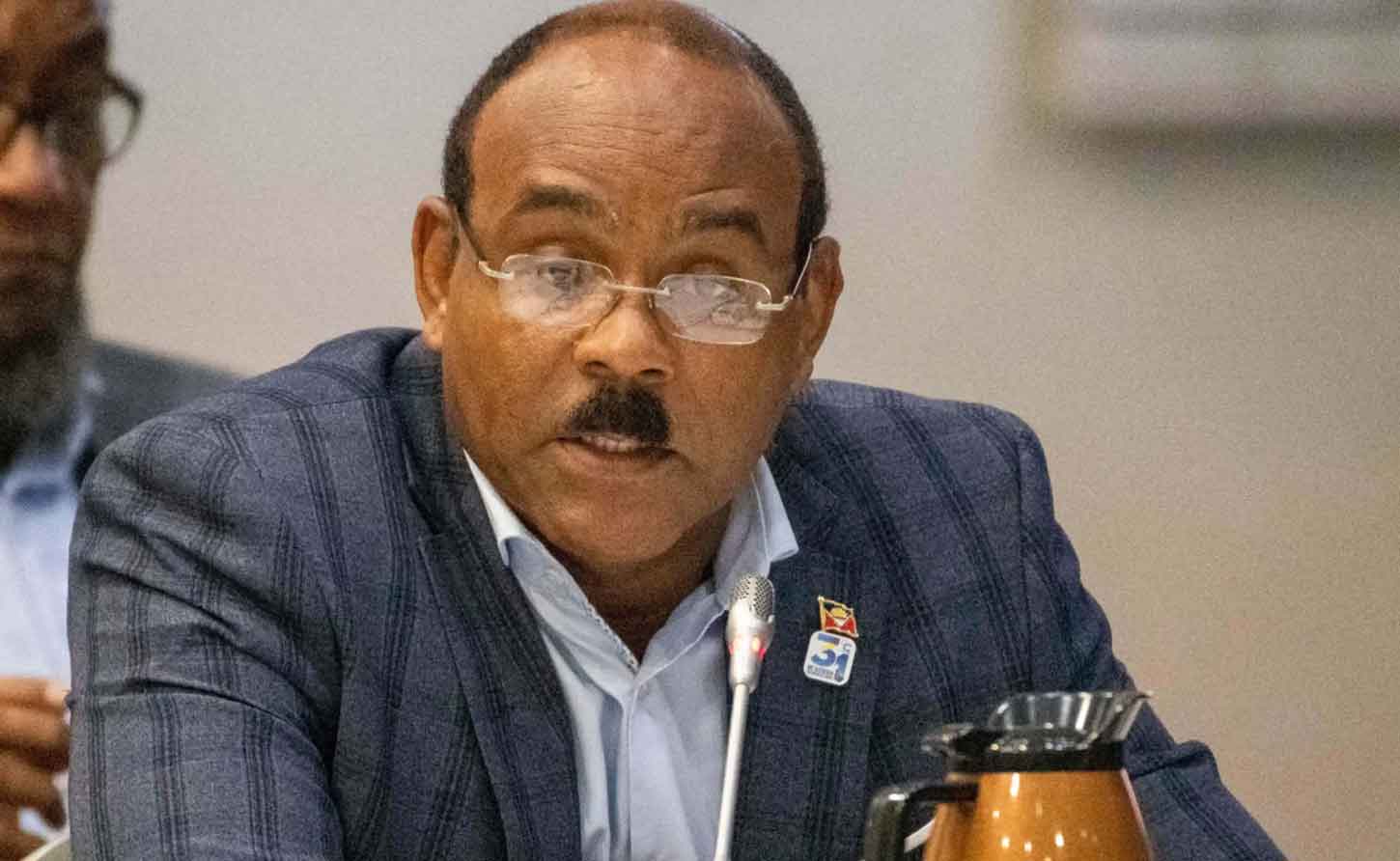
Antigua and Barbuda prime minister Gaston Browne
The contrast is brutal. The UPP's statement warmly acknowledged Cuba's contributions, highlighted specific programs that will be lost—including an Eye-Care Programme that "brought blessed relief to hundreds of our citizens"—and assured Havana that "the United Progressive Party is neither ungrateful nor forgetful." Meanwhile, the government that actually made the decision to terminate the partnership has offered nothing: no explanation, no gratitude, no plan for the healthcare gap now opening across the islands.
From Defiance to Capitulation
This governmental silence is particularly striking given Browne's vocal defense of the Cuban program throughout early 2025. In March, speaking on regional radio, the Prime Minister rejected U.S. allegations that Caribbean nations hosting Cuban doctors were complicit in "human trafficking." He emphasized that "these Cuban doctors and nurses represent the core of our health care service within the Caribbean" and warned that visa restrictions threatened to "dismantle the Caribbean's healthcare system."
By September, as U.S. Secretary of State Marco Rubio escalated pressure—revoking the visa of Grenada's Finance Minister Dennis Cornwall for supporting Cuban medical missions—Antigua attempted compromise. The government restructured payment arrangements, agreeing to pay Cuban doctors 100% of their salaries directly rather than routing funds through Havana. Ambassador Lionel Hurst publicly explained the changes, insisting the modifications would satisfy Washington's concerns while preserving a partnership Antigua "valued."
Evidently, it wasn't enough. Or perhaps the government concluded that no modification would be sufficient to relieve American pressure. Either way, by December, the Cubans were gone—and the Browne administration's earlier promises of unwavering support had evaporated into inexplicable silence.
Questions Without Answers
What makes this silence so troubling is the cascade of unanswered questions it creates. How many Cuban medical professionals were working in Antigua? Which clinics and hospitals will now operate short-staffed? What happens to Antiguan students currently studying medicine in Cuba under the bilateral educational agreements? Will the Eye-Care Programme continue under different management, or is it simply gone?
Most critically: Will the government recruit Ghanaian health workers to fill the gap, as planned since 2022? Antigua has long looked to Ghana as an alternative source of medical professionals, following Barbados's successful recruitment of over 370 Ghanaian nurses since 2020. Cabinet notes from October 2022 confirmed that Health Minister Sir Molwyn Joseph had "started the process to attract Ghanaian nurses"—English-speaking, U.S.-standard trained professionals from a country with surplus medical staff.
But three years later, Antiguans don't know if Ghanaian replacements are coming, how many, when they'll arrive, or in what specialties. The government hasn't said. The National Health Insurance scheme is set to launch in 2026, yet the administration cannot—or will not—explain how it plans to staff a healthcare system suddenly missing the doctors and nurses it previously called "fundamental."
The Sovereignty Question CARICOM Won't Ask
Antigua's silent capitulation exposes uncomfortable truths about Caribbean sovereignty that regional leaders would prefer not to confront. Throughout 2025, CARICOM presented a unified front, requesting urgent meetings with U.S. officials to discuss the visa threats. Prime Ministers from Trinidad to Jamaica to Barbados publicly defended the Cuban medical programs, emphasizing their importance to regional healthcare systems and rejecting Washington's "human trafficking" characterization.
Yet when American pressure intensified—when actual visas were revoked, when officials' families were targeted—that unity fractured. Countries responded based on their own calculations of cost and benefit: How much is access to U.S. visas worth? How easily can Cuban doctors be replaced? Can we afford to anger Washington?
Antigua clearly made its calculation. The Browne government, which spent the spring positioning itself as defender of Caribbean healthcare autonomy, spent the winter quietly dismantling the partnership it had vowed to protect. The administration chose U.S. approval over Cuban cooperation, political convenience over healthcare continuity—and wrapped the entire decision in silence rather than defend it publicly.
The Opposition's Gift
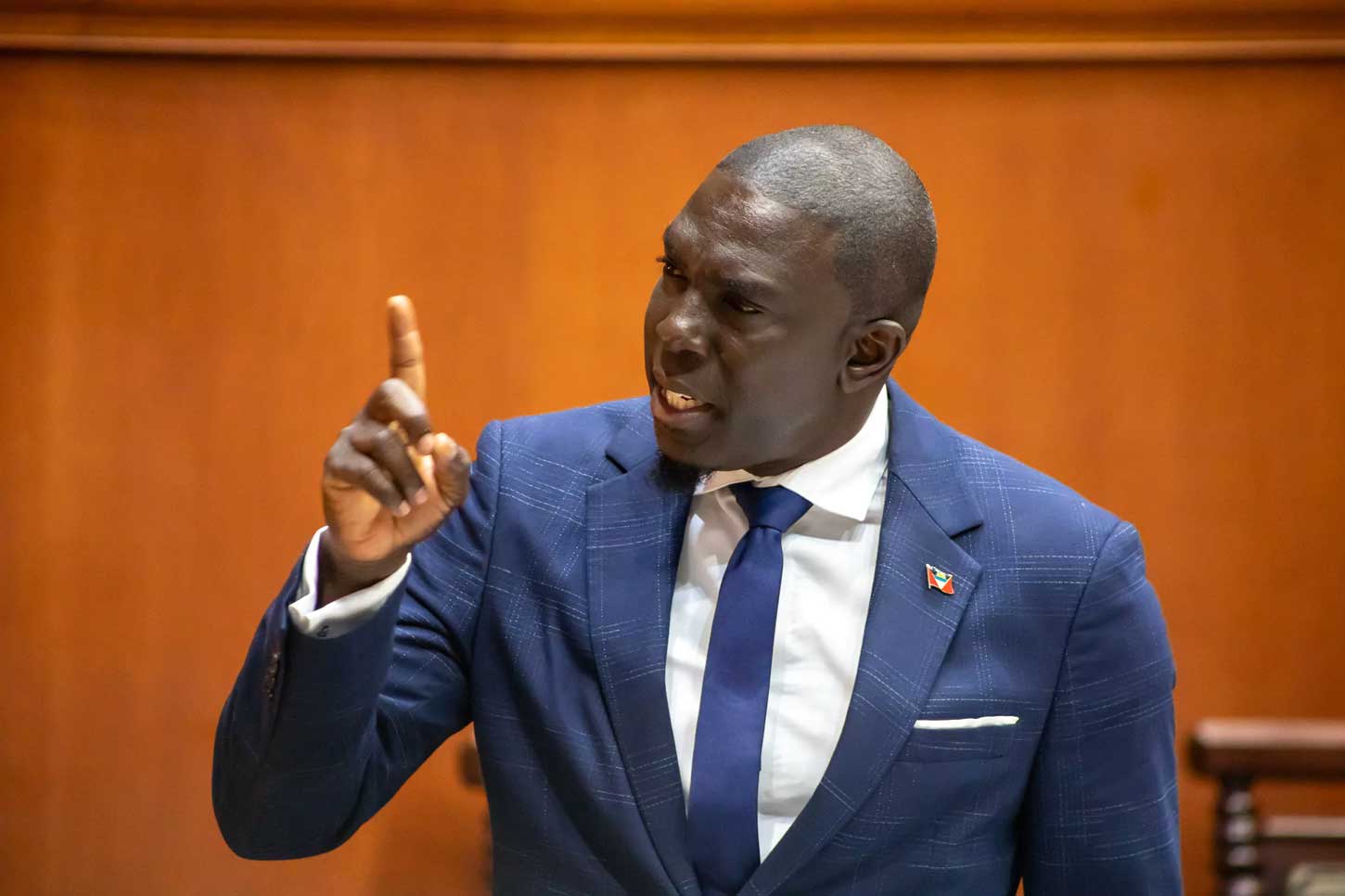
Opposition Leader Jamale Pringle whose party said “It is unfortunate that the mutually beneficial partnership our two countries forged has been ended so abruptly by the sitting Administration,” the UPP stated, emphasizing that the program was a “hallmark of the United Progressive Party Administration under the Hon. Baldwin Spencer.”
The electoral mathematics are obvious: voters will remember which party thanked Cuba for decades of medical service, and which couldn't be bothered to issue a statement. They'll remember which leader defended Caribbean healthcare autonomy in March, and which leader surrendered it by December without explanation.
The Precedent That Haunts
Antigua's silent termination sends a chilling message across the Caribbean: even the most vocal defenders of Cuban medical cooperation will fold under sufficient U.S. pressure. If Gaston Browne—who called these programs "core" to regional healthcare and criticized American "extraterritorial positioning"—can be pressured into terminating the partnership without public justification, what chance do smaller islands have?
The answer, it seems, is that Caribbean sovereignty on matters of health cooperation extends exactly as far as Washington permits. And when governments surrender that sovereignty, they don't even have the courage to announce it publicly.
Cuban medical professionals are preparing to leave other Caribbean nations, replaced—or not—by alternatives that may arrive eventually, in sufficient numbers, with appropriate training. The governments making these decisions owe their citizens more than silence. They owe them honesty about what was lost, what was gained, and why the calculation was made.
Antigua and Barbuda's people are still waiting for that honesty. Based on the Browne administration's performance so far, they may be waiting a very long time.
-30-
