ANTIGUA | KNOCKOUT IN ST. PHILIP’S NORTH: ABLP DELIVERS CRUSHING BY-ELECTION BLOW AS UPP FLOUNDERS
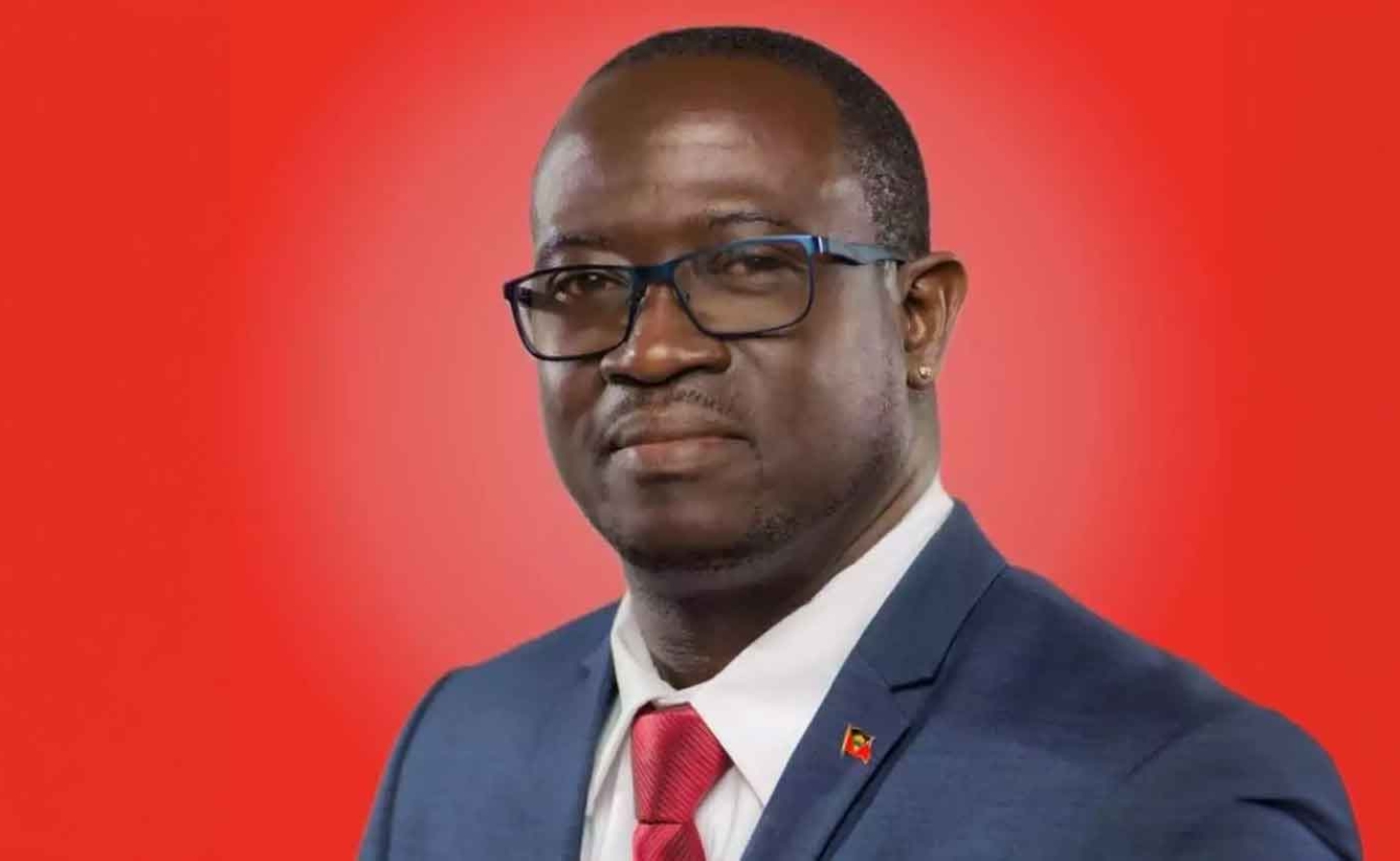
Antigua Labour Party's Randy Baltimore, elected as the Member of Parliament for St. Philip’s North in Monday's by-election
Randy Baltimore’s emphatic victory exposes a party in crisis — and raises uncomfortable questions about resources, strategy, and relevance
By Calvin G. Brown
When the ballots were counted in Monday’s St. Philip’s North by-election, the result wasn’t just a victory for the Antigua and Barbuda Labour Party — it was a political demolition. Randy Baltimore walked away with 924 votes to the United Progressive Party’s Alex Browne’s paltry 407, a margin so wide it should send shockwaves through every level of UPP leadership.
The people of St. Philip’s North didn’t just choose Baltimore. They rejected the UPP with authority.
ST. PHILIP’S NORTH BY-ELECTION RESULTS
Randy Baltimore (ABLP): 924 votes
Alex Browne (UPP): 407 votes
Voter Turnout: ~65% (1,998 registered)
A Constituency That Was Never Theirs to Claim
Let the record stand: Sir Robin Yearwood and the ABLP held St. Philip’s North for roughly fifty years. Half a century. And Sir Robin — still very much alive, still politically animated, still wielding the full weight of his considerable colonial muscle — did not surrender that legacy quietly.
The man who built his political fortress in St. Philip’s North brick by brick, who embodies the old-guard authority of a Caribbean political class shaped more by Empire’s institutions than by grassroots democratic fire, was never going to allow his constituency to slip into opposition hands without a fight.
This was personal. This was legacy. This was a colonial patriarch defending what remains of his political inheritance — and he defended it with everything at his disposal.
The UPP walked into that and called it an opportunity.
“The UPP walked into a fifty-year fortress, flanked by a still-fighting patriarch, and called it an opportunity. History had other ideas.”
So the first question that must be asked — and the UPP’s leadership will be asking it in whispers for months — is this: why? Why contest a seat so deeply entrenched in Labour’s political DNA, one defended not just by party machinery but by a living, breathing symbol of unbroken political dominance? What was the strategic calculus? What intelligence suggested that St. Philip’s North was winnable, or even competitive?
The answer, it seems, was wishful thinking dressed up as political courage.
The “Buy-Election” Whispers
In Antigua’s corridors of political conversation, a telling phrase is already circulating. Some are calling this less a by-election and more a “buy-election” — a contest decided not merely at the ballot box but in the preceding weeks of financial muscle-flexing and state-adjacent resource deployment.
The ABLP, the governing party, arrived in St. Philip’s North with what observers describe as an overwhelming combination of organizational strength, financial resources, and the not-insignificant advantage of incumbency.
In Caribbean politics, this is rarely subtle. Governments mobilize. Patronage networks activate. Party machinery — funded, coordinated, and relentless — does what opposition parties structurally cannot match.
The UPP, by contrast, appeared to be bringing a machete to a gunfight.
None of this is illegal. It is, frankly, the political reality of small-island democracy, where governing parties hold structural advantages that oppositions must work twice as hard to overcome.
But entering a stronghold, without the resources to fight the fight, against a governing party in full campaign mode and a long-serving patriarch still very much in the field? That is not courage — it is miscalculation.
A 65 Percent Turnout That Says Everything
With approximately 65 percent of St. Philip’s North’s 1,998 registered voters participating, this was no low-energy contest. Voters turned out. They engaged. And when they did, they chose Labour by more than two to one.
That turnout figure matters. It forecloses the narrative that the UPP simply didn’t mobilize their base or that voter apathy suppressed the true picture. The base was there. The people showed up. And they showed up for Baltimore.
After the results were announced, Baltimore and Browne were seen exchanging brief remarks while shaking hands. A moment of democratic grace — but no amount of cordiality obscures what the numbers say.
Back to the Drawing Boards
The UPP’s post-mortem will be painful but necessary. Losing by 517 votes in a constituency you arguably had no business contesting reveals something deeper than a bad campaign. It suggests a party that may be operating on outdated assumptions about where it stands with the Antiguan electorate.
If the UPP intends to be competitive when general elections arrive — constitutionally due in 2028, but potentially sooner than the party might wish — there is serious structural work to be done. Community organizing. Policy coherence.
A leadership narrative that speaks to Antiguans who feel left behind, not just to traditional bases. And above all, a ruthlessly honest assessment of where the party can win and where it is simply burning resources for the sake of appearing relevant.
St. Philip’s North was always Labour’s to keep. Randy Baltimore now carries that mantle forward. Sir Robin Yearwood, still standing, still watching, will have noted the result with quiet satisfaction.
The UPP’s task now is to identify — and fight hard for — the constituencies that aren’t.
Monday was a political knockout. The UPP is still on the canvas.
— 30 —
