
CARIBBEAN | The Crab, The Corpses, and The Cover-Up: Four Men Dead as Rubio's Secret Cuba Deal Explodes Into a Caribbean Powder Keg
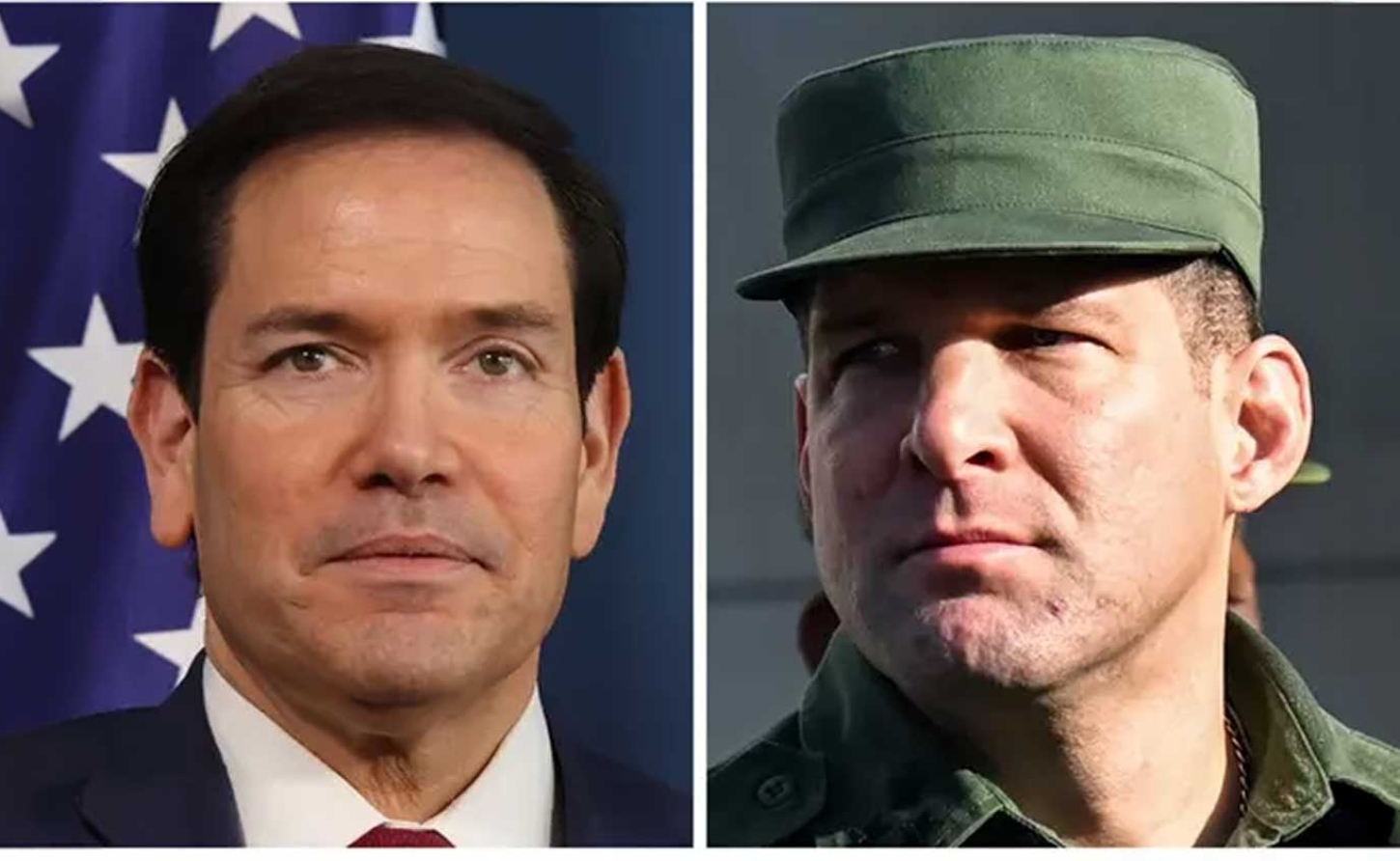
US Secretary of State Marco Rubio and Raúl Guillermo Rodríguez Castro, the grandson and trusted man of Raúl Castro
While America's top diplomat negotiated regime change in the shadows of a CARICOM summit, a Florida speedboat crossed into Cuban waters — and four men came home in body bags.
By WiredJa Staff
KINGSTON, Jamaica, Thursday, February 26, 2026 - The scene at Basseterre, Saint Kitts and Nevis, was already crackling with diplomatic electricity when Marco Rubio arrived at the 50th CARICOM Heads of Government meeting replete with the USS San Antonio (LPD-17) — a U.S. Navy amphibious transport behind him in the harbour.
But the real drama was not playing out in the conference hall. According to an explosive investigation by the Miami Herald, Rubio's team had arranged a clandestine rendezvous in a hotel near the Marriott — a secret meeting with Raúl Guillermo Rodríguez Castro, known in Cuba by his interesting nickname, El Cangrejo, the Crab.
Known in Cuba's political circles as "Raulito," Rodríguez Castro is 41 years old and holds no official government or Communist Party title. His nickname El Cangrejo — the Crab — is said to derive from a deformity on one of his fingers, a physical mark that has come to symbolise something far more consequential: his iron grip on the levers of power behind the curtain.
According to both the Miami Herald and Axios, which independently confirmed the contacts, Washington has deliberately bypassed the formal structures of the Communist Party and Cuba's sitting president, choosing instead to engage Raúl Castro's closest aide and the man believed to oversee GAESA, the military-business conglomerate that controls the commanding heights of Cuba's economy.
The crux of the discussions, sources told the Herald, was a framework of rolling, month-to-month sanctions relief in exchange for incremental economic reforms. No sudden revolution. No dramatic regime collapse. Just a slow, calibrated dismantling of the Cuban economic model — the same blueprint being applied to a post-Maduro Venezuela.
A senior US official quoted by Axios was careful with his language: "I wouldn't call this negotiations so much as conversations about the future." It is a semantic distinction that fools nobody.
The goal, sources confirmed, is to explore scenarios for political change on the island — and by routing those conversations through Raulito rather than Havana's official channels, Washington is sending an unmistakable message about who it believes truly holds power in Cuba.
Rubio, speaking publicly after meeting Caribbean leaders, was characteristically measured but unmistakably bold. "Cuba needs to change," he said. "And it doesn't have to change all at once." He pointed to private sector growth, fuel licenses for Cuban enterprises, and economic opening as the pathway forward.
Guyana's President Irfaan Ali confirmed they discussed "a framework of which CARICOM could be a part of" — effectively inviting the Caribbean to serve as witness to — or perhaps legitimizer of — American geopolitical engineering.
And Then the Blood Entered the Water
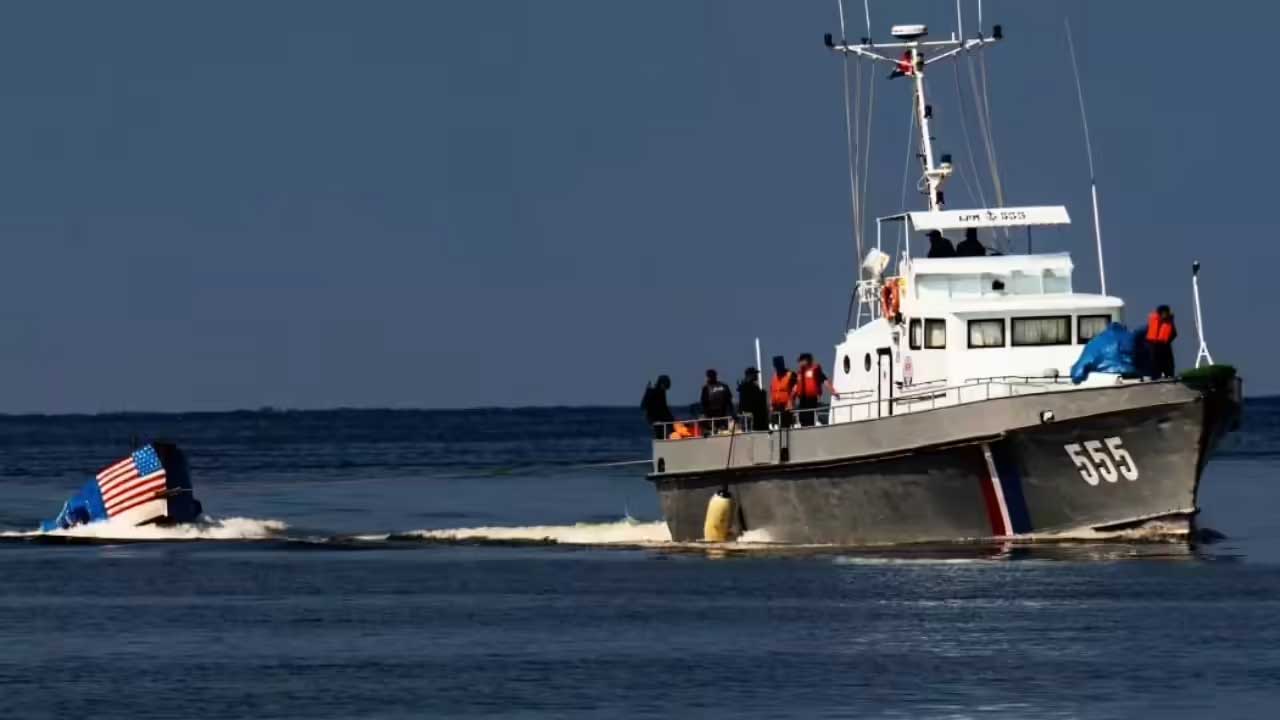 While Rubio was still on the island of Saint Kitts, Cuban border guard troops approached a Florida-registered speedboat that had entered their territorial waters near Cayo Falcones in Villa Clara province.
When soldiers tried to identify the passengers, someone on the boat opened fire, wounding the Cuban vessel's commander. Cuban forces killed four of the ten passengers; six others were wounded and detained. Seized from the vessel: assault rifles, handguns, Molotov cocktails, bulletproof vests, camouflage uniforms, and telescopes.
Cuba's Interior Ministry wasted no time framing the incident as a "terrorist infiltration." Among the detained, the government identified two individuals already wanted for involvement in terrorism-related activities.
One of the men, Conrado Galindo Sariol, had been interviewed in June 2025 by a US-based outlet, where he declared that Cuba's regime "knows they're out of power" and spoke openly about supporting struggles for the island's "freedom."
A Provocation Too Convenient to Ignore
Rubio, pressed immediately by reporters, denied any US government involvement and said the incident was "highly unusual." But the timing is nothing short of extraordinary — and in the world of Caribbean geopolitics, timing is rarely coincidental.
The echoes of 1996 are deafening. Thirty years ago almost to the day, the Clinton administration was engaged in its own back-channel diplomacy with Havana when Cuba shot down two civilian planes flown by Cuban exile organization Brothers to the Rescue, killing four. The back-channel collapsed. Congress hardened the embargo into law. A generation of Cuban suffering followed.
Russia's foreign ministry spokeswoman characterized the incident as an "aggressive provocation by the United States" aimed at escalating the situation and triggering a conflict. That characterization — while reflexively self-serving — reflects a question now impossible to avoid: did hardliners in Miami or Washington seek to sabotage the very negotiations Rubio was quietly conducting?
The Caribbean Must Ask Hard Questions
For the Caribbean, this is not an abstract geopolitical puzzle. The region hosts Cuba as an observer in CARICOM. It has maintained fraternal ties with Havana for generations, ties built on medical cooperation, educational exchange, and shared histories of colonial resistance. If Washington is engineering Cuba's transformation while simultaneously allowing — or ignoring — armed exile infiltrations of the island, Caribbean nations must ask a pointed question: are we partners in a peace process, or props in an American power play?
Rubio's gambit may be historically audacious. But history also reminds us that in the volatile straits between Florida and Cuba, four men are already dead — and the most dangerous negotiations are always the ones conducted in the shadows.
-30-
WiredJa is an independent Caribbean digital news publication committed to accountability journalism and Caribbean-centered perspectives.
