
CARICOM | First Trump came for Venezuela, then he came for Cuba; Will CARICOM Stay Silent in Basseterre?
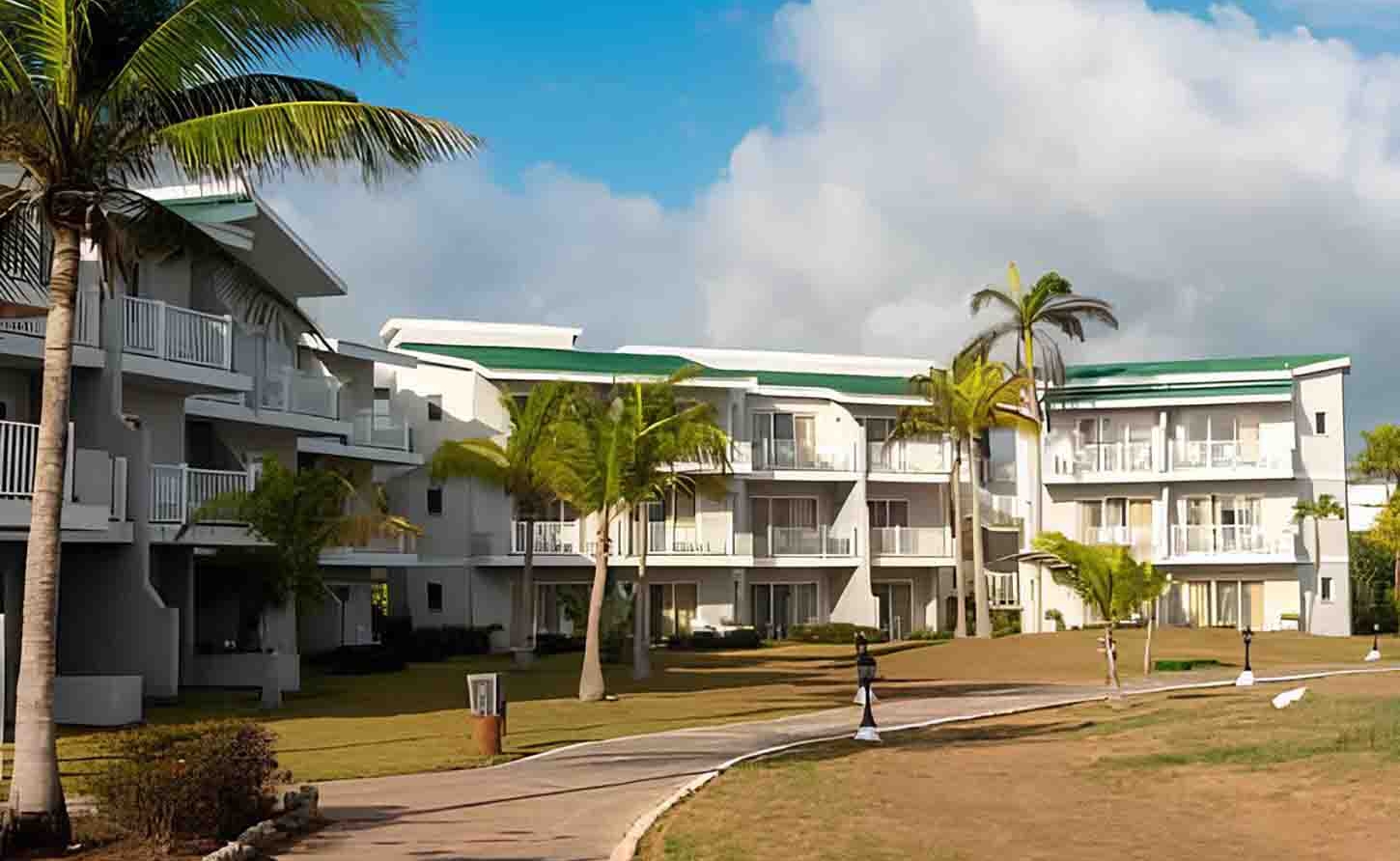
Tryp Cayo Coco is one of the resorts being closed due to a growing fuel shortage in Cuba. Photo by Getty Images
KINGSTON, Jamaica, February7 9, 2026 - The scene on Cuba's northern coast tells a story that should alarm every Caribbean nation. Beach resorts on Cayo Coco—gleaming properties that have weathered countless hurricanes—are shutting down this weekend for the first time in their history due to a non-weather disaster.
The Mojito Cayo Coco and Tryp Cayo Coco, with their combined 850 rooms, are closing their doors. The reason is brutally simple: there isn't enough fuel for employees to get to work.
A worker at Mojito, speaking on condition of anonymity for fear of retaliation, captured the unprecedented nature of the crisis: "In more than two decades at the hotel, I've seen temporary shutdowns for multiple hurricanes but never for non-weather-related disasters."
This is what economic warfare looks like when it succeeds. Cuba's power output now covers less than half the island's peak demand of 3,100 megawatts.
Cubans are experiencing freezing temperatures, cooking gas shortages, and blackouts that have forced the government to reduce public transportation routes, curtail office hours, and move university classes online.
Trump's January blockade—cutting off fuel shipments from Venezuela and threatening tariffs against any nation that helps Cuba—has achieved what hurricanes could not: bringing the island's crucial tourism sector to its knees.
Jamaica's Capitulation - A Caribbean Betrayal
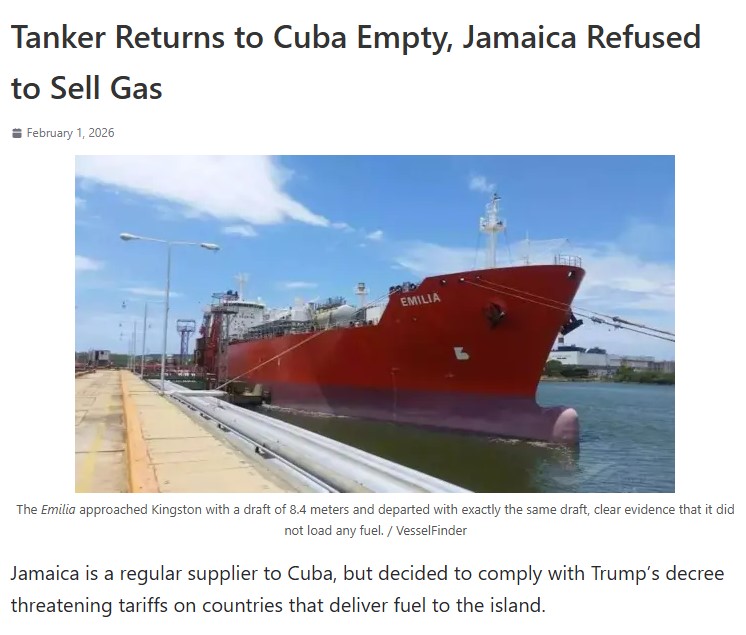
Emilio tanker returned to Cuba from Jamaica empty.
Jamaica, our regional neighbor, capitulated to Trump's threats of "penalty sanctions" against countries supplying energy to Cuba.
Let that sink in: Jamaica—a nation that benefited enormously from Cuban solidarity during our own struggles, that sent thousands of students to study medicine in Havana when First World nations charged prohibitive fees, that received Cuban doctors during health crises—refused to sell cooking gas to Cubans facing hunger and cold.
The bitter irony is suffocating. Cuba gave us so much: medical training, disaster relief, technical expertise, unwavering diplomatic support in international forums.
Now, when our neighbor faces what amounts to collective punishment through economic strangulation, we turn away because Washington threatens our pocketbooks.
What is the rationale for starving the Cuban people to death? Political one-upmanship? How is this fundamentally different from Israel's treatment of Palestinians in Gaza—using blockades and resource denial as weapons against civilian populations?
Jamaica's Minister in charge of Energy, Daryl Vaz has denied the allegations. “It is important to note that the country’s sole oil refinery, Petrojam, a 100 per cent government-owned entity, has never exported LPG. Similarly, feedback from our private-sector counterparts in the oil and gas sector indicates that they also do not export LPG,” Vaz said.
The Historical Echo - Niemöller's Warning
This moment recalls another time when silence enabled atrocity. In 1935, the world watched Hitler consolidate power, afraid to confront him for fear of personal repercussions. Being silent then meant being complicit in what followed.
Martin Niemöller, the anti-Nazi German pastor who was initially a Hitler supporter before changing his mind and spending eight years in concentration camps, left us a haunting warning:
"First they came for the Communists / And I did not speak out / Because I was not a Communist / Then they came for the Socialists / And I did not speak out / Because I was not a Socialist / Then they came for the trade unionists / And I did not speak out / Because I was not a trade unionist / Then they came for the Jews / And I did not speak out / Because I was not a Jew / Then they came for me / And there was no one left / To speak out for me."
The parallel is uncomfortable but unavoidable. Today they come for Cuba with fuel blockades and economic strangulation.
Tomorrow, which CARICOM nation will face Trump's wrath for pursuing policies Washington disapproves of? What stops the aggressor from moving to our fifteen-nation grouping after Cuba falls?
CARICOM's Basseterre Crossroads
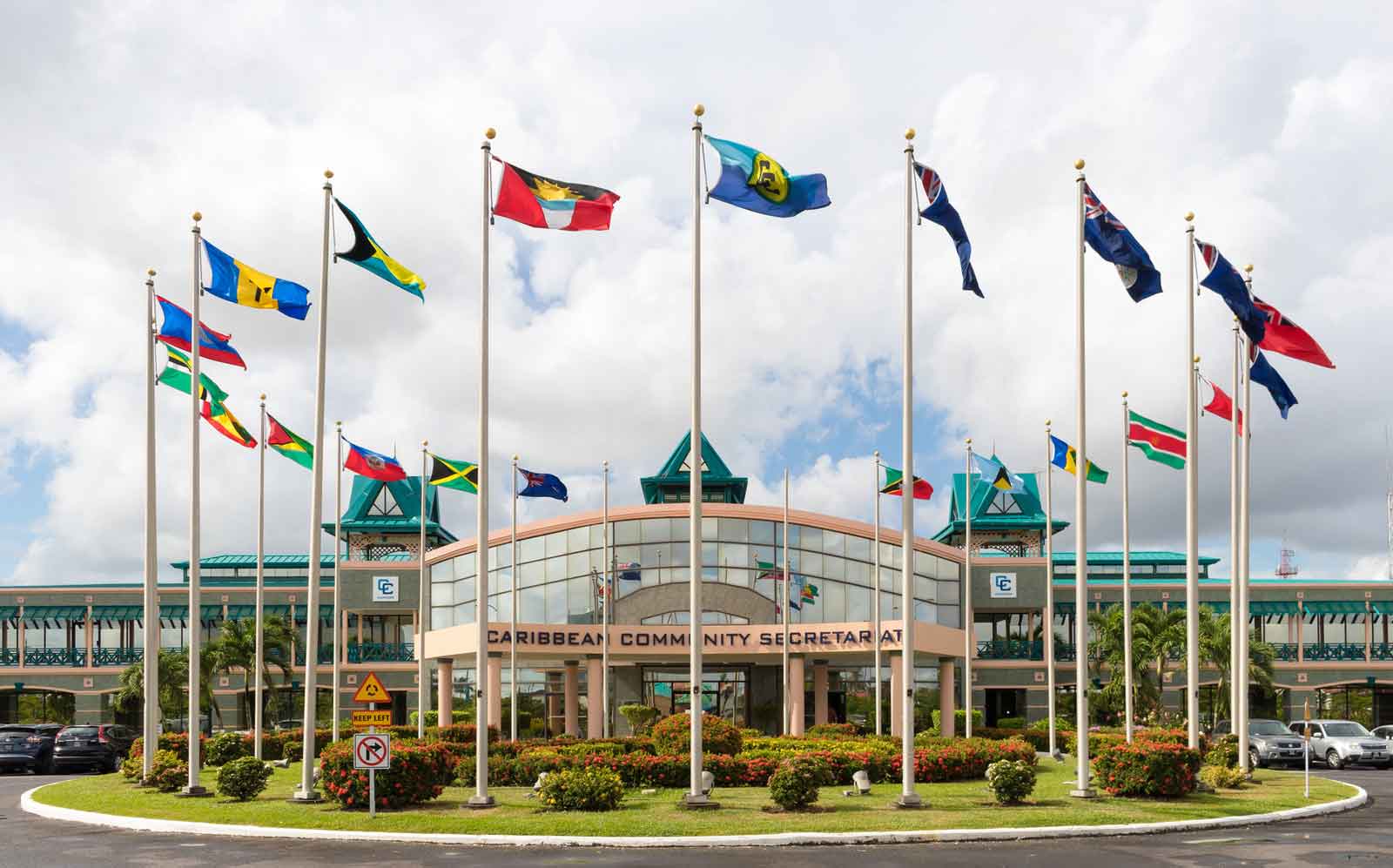
CARICOM Headquarters in Georgetown, Guyana
The question is whether they will find the moral courage that has so far eluded individual nations acting alone.
CARICOM can and must act. Issue a strong statement of solidarity with Cuba, not as an endorsement of any political system, but as a rejection of using hunger and deprivation as diplomatic weapons.
Explore collective mechanisms to provide humanitarian relief—food, medicine, fuel for essential services. When nations act together, the cost of American retaliation rises significantly.
Challenge the legitimacy of extraterritorial sanctions that claim to give Washington the right to dictate who Caribbean nations can trade with. No empire has the moral authority to starve populations into submission—not in Gaza, not in Cuba, not anywhere.
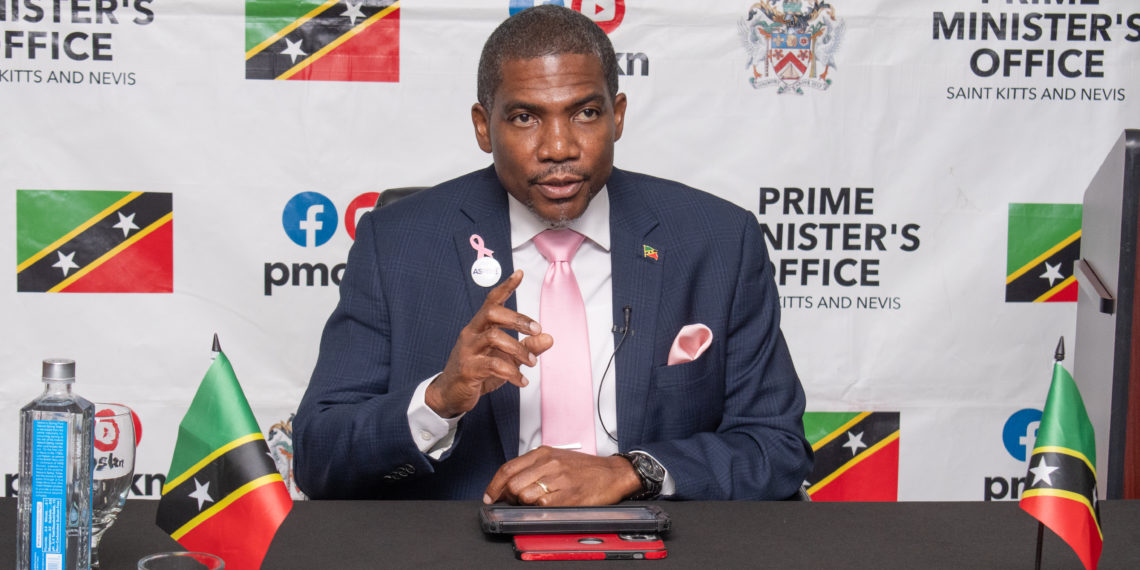
Dr. Terrence Drew, Prime Minister of St. Kitts and Nevis and CARICOM Chairman.
The slippery slope is real: if Trump can force Jamaica to deny fuel to Cuba today, what will he demand tomorrow? That we close our ports to Venezuelan ships? That we sever diplomatic relations with nations on Washington's enemies list? That we accept American military bases in exchange for continued access to US markets?
There is also an uncomfortable question of racial solidarity that must be asked. CARICOM is a grouping of predominantly Black nations.
Cuba, whatever its political system, is our neighbor—a Caribbean nation that shares our history of colonialism and struggle for dignity. When we remain silent while Cuba is starved, what does that say about our commitment to each other?
If we cannot stand with a neighboring island facing collective punishment, what moral authority do we have to demand global solidarity when our own nations face crisis?
The Cost of Silence
History will judge CARICOM's response to Cuba's crisis. The choice in Basseterre is clear: cave to fear of American reprisal, or stand on principle and demonstrate that Caribbean sovereignty means something more than empty rhetoric at independence day ceremonies.
The Havana Times may be shouting about Cuba's suffering under the US fuel blockade, but CARICOM's silence is deafening. On February 24, our leaders can choose to break that silence—or they can follow Jamaica's example and send our own version of the Emilia home empty, morally bankrupt and complicit in collective punishment.
Will Caribbean unity be tested and found wanting in Basseterre? Or will this be the moment when the region remembered Niemöller's warning and refused to wait until there was no one left to speak for us?
-30-
