CARICOM | Haiti's TPC Steps Down as CARICOM Urges Patience and Unity
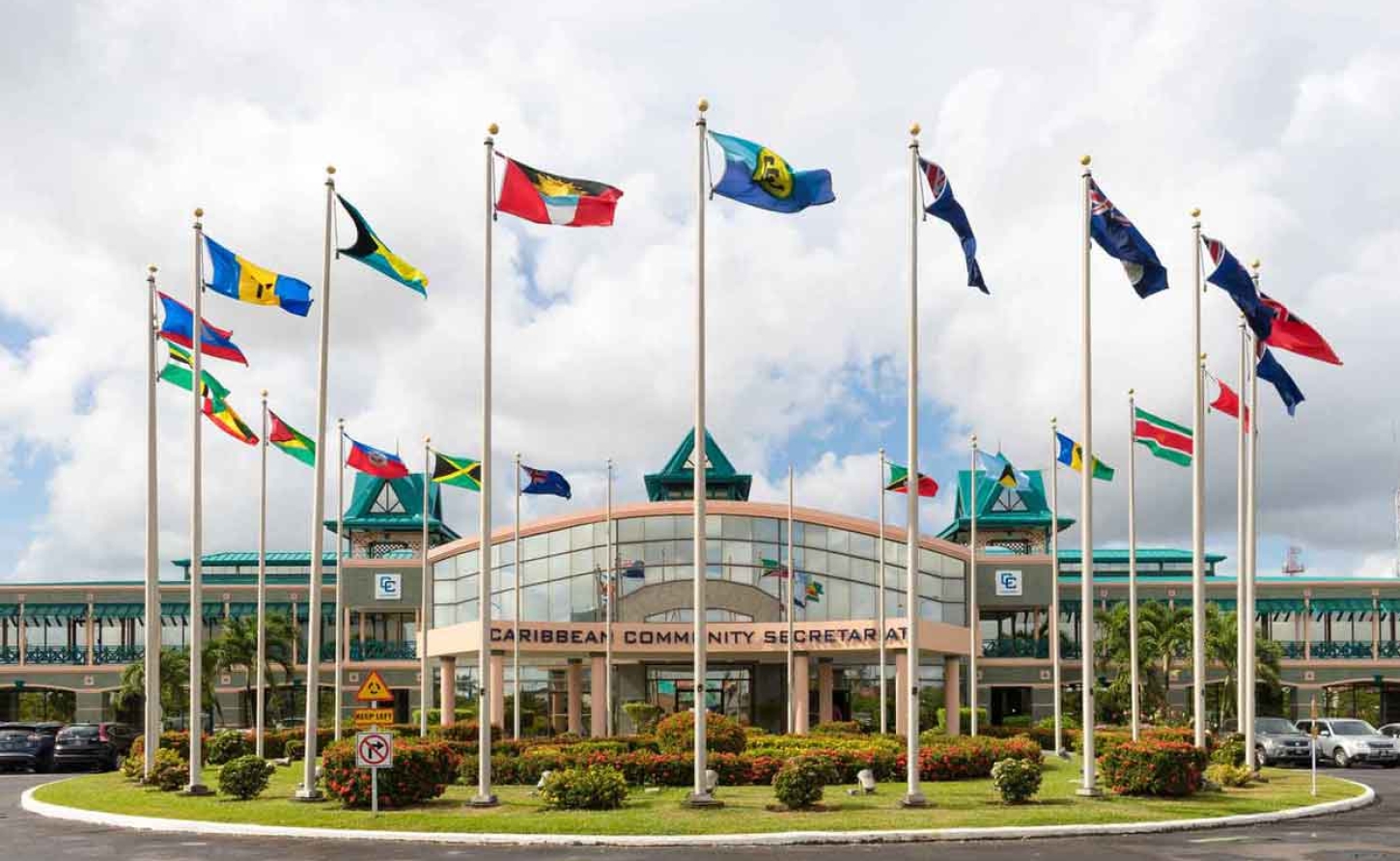
CARICOM Secretariat, Turkeyen, Greater Georgetown, Guyana
Regional bloc walks diplomatic tightrope as yet another "short interim" government takes the reins in Port-au-Prince
GEORGETOWN, Turkeyen, Guyana, February 10, 2026 - The Transitional Presidential Council of Haiti has officially stepped down after two turbulent years, handing governance to Prime Minister Didier Fils Aimé and his Council of Ministers.
The Caribbean Community, in a statement issued Tuesday from its Georgetown secretariat, has offered measured support—but beneath the diplomatic language lies an unmistakable tension: How many "short interim periods" must Haiti endure before democracy actually takes root?
CARICOM's statement strikes a careful balance between solidarity and realism. The regional body "notes" the transition—notably stopping short of celebration—while emphasizing that this interim arrangement should focus on three priorities: improving security, preparing for elections, and promoting social and economic recovery.
It is a familiar checklist, one that has appeared in countless communiqués about Haiti over the past two decades. The question that haunts Port-au-Prince is whether this time will be any different.
The Sovereignty Tightrope
What stands out in CARICOM's pronouncement is its insistence on a "Haitian-led and Haitian-owned approach." This is not mere diplomatic boilerplate.
It represents a deliberate counter-narrative to the interventionist instincts that have historically characterized international engagement with Haiti—from the disastrous UN peacekeeping missions to the more recent Kenya-led security deployment that has struggled to contain gang violence ravaging the capital.
The call for "structured inclusion" and dialogue with civil society acknowledges an uncomfortable truth: Haiti's political class has repeatedly failed to build the broad-based consensus necessary for legitimate governance.
The TPC itself was born of compromise, a power-sharing arrangement designed to bridge competing factions. Its departure raises immediate questions about whether PM Fils Aimé commands sufficient political capital to navigate the treacherous months ahead.
Security and Dignity: The False Choice Haiti Rejects

Prime Minister Alix Didier Fils Aimé will now be responsible for organizing national elections.
Fils Aimé's framing rejects this sequencing. His proposed immediate plan for urgent humanitarian provision recognizes what ordinary Haitians have long understood: a mother cannot wait for gang territories to be cleared before feeding her children.
CARICOM's explicit support for this approach puts the regional body on record against the failed policies of the past.
Yet support without resources remains rhetoric. The statement's call for "regional and international partners to alleviate humanitarian hardships" carries an implicit rebuke—a reminder that previous pledges have too often evaporated before reaching those in desperate need.
The Road to the Summit
The timing of this transition is no accident. CARICOM's 50th Regular Meeting convenes in St. Kitts and Nevis from February 24-27, and Heads of Government have signaled their intention to engage directly with PM Fils Aimé. This summit represents an opportunity for the region to move beyond statements toward concrete commitments.
The Eminent Persons Group—CARICOM's dedicated Haiti engagement mechanism—will continue its work. But the fundamental challenge remains unchanged: Haiti's crisis cannot be solved from Georgetown or Basseterre. It requires Haitians themselves to forge the political settlements that have proven so elusive.
As another interim government assumes power in Port-au-Prince, the Caribbean watches with a mixture of hope and hard-won skepticism. CARICOM has pledged to "embrace Haiti as a member state of the Community." The question now is whether that embrace can translate into the sustained support—and the respect for Haitian sovereignty—that might finally allow this battered nation to chart its own course.
The TPC has exited. The interim continues. And Haiti waits.
-30-
