
GUYANA | No Votes Against: Mohamed Elected Opposition Leader as PPP's Three-Month Gambit Collapses
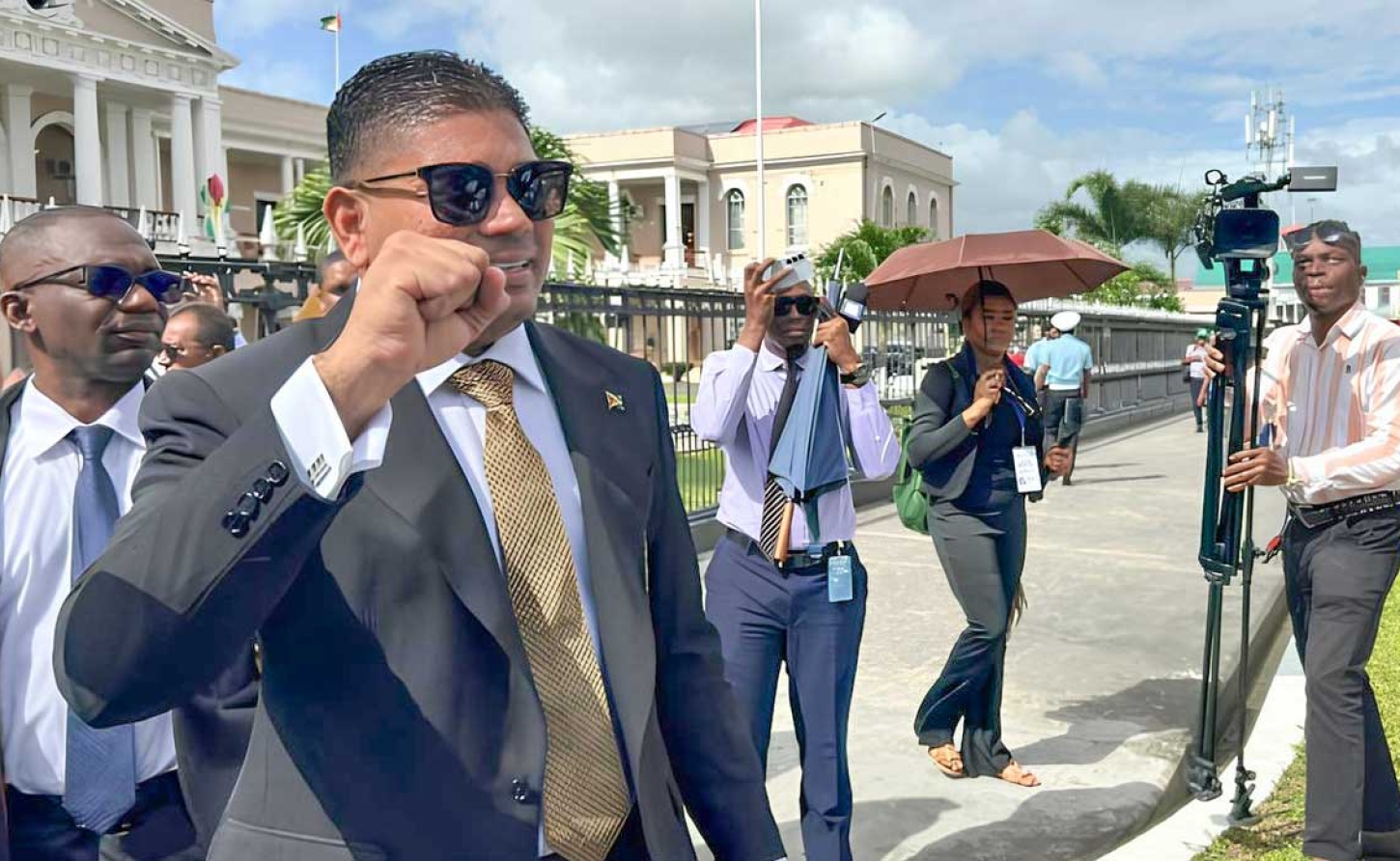
Newly elected Opposition Leader MP Azruddin Mohamed who criticised a parliamentary decision not to allow non-government media to cover the election of the Leader of the Opposition.
WIN leader's unanimous election exposes the hollowness of PPP's 'international fugitive' campaign
By WiredJa Staff | January 27, 2026
GEORGETOWN, GUYANA | It took less than five minutes to undo 84 days of obstruction. On Monday morning, We Invest in Nationhood (WIN) leader Azruddin Mohamed was formally elected Leader of Guyana's Opposition in the 13th Parliament, with not a single vote cast against him—a resounding rebuke to the ruling People's Progressive Party's relentless campaign to prevent precisely this constitutional outcome.
The election, held at 10 a.m. at Parliament Buildings in Georgetown, saw Mohamed nominated by WIN MP Gobin Harbhajan and seconded by Tabitha Sarabo-Halley. Amanza Walton-Desir's Forward Guyana Movement (FGM), holding one seat, voted in support—having earlier threatened to boycott the sitting entirely if the Opposition Leader election was not placed on the agenda.
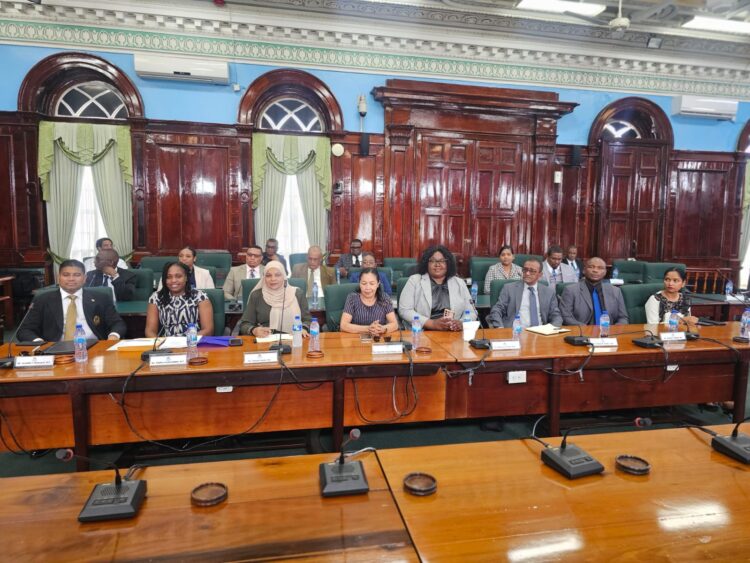
Party leader Azruddin Mohamed and elected Leader of the Opposition is far left as WIN Parliamentarians gather in the National Assembly Monday Jan 26, 2026 for the election of Leader of the Opposition.(Google photo)
The A Partnership for National Unity (APNU), led by the PNC's Terrence Campbell and holding 12 seats, walked out of the meeting once nominations closed—neither opposing the PPP's obstruction nor standing with their fellow opposition members when principle demanded it. What the PPP characterised as a stain on Guyana's democracy materialised instead as a mandate.
"The process was very smooth. No hiccups. No delay. In less than five minutes, I was elected leader of the opposition, ready to serve the people of this country," Mohamed told journalists afterward.
Campbell, a political neophyte, attempted to frame APNU's exit as an olive branch. "We look forward to working with WIN and hope that there would be improvement in collaboration between us and WIN going forward. It has not been the best road so far," he said, claiming the decision not to nominate anyone was meant to signal interest in improved relations. The explanation strains credulity: walking out on a constitutional proceeding is an odd way to extend a hand of friendship.
Campbell indicated APNU would collaborate with WIN on digitalised biometrics for elections due in five years, but deemed it a "constitutional issue" whether APNU would cede its seat on the seven-member Guyana Elections Commission to WIN as the new main opposition party—a telling hesitation that suggests APNU's interest in collaboration has clear limits.
Mohamed publicly thanked Walton-Desir for her vote. The FGM leader, for her part, signalled priorities beyond parliamentary courtesies, emphasising the need for electoral reform including citizenship reform and voting rights for Commonwealth nationals. "Irrespective of the political work that's done, if the electoral machinery remains captured, then the will of the people will always be frustrated and thwarted," she said—a pointed reminder that Monday's victory means little if the systems meant to safeguard democracy remain compromised.
The Campaign That Wasn't
The ease of Monday's proceeding stands in stark contrast to the vitriol that preceded it. For nearly three months, Speaker Manzoor Nadir refused to convene the constitutional meeting required to elect an opposition leader, citing Mohamed's status as an "international fugitive" facing US extradition on fraud and money laundering charges.
Nadir's rhetoric escalated to the absurd. He invoked Colombian drug lord Pablo Escobar in warning of Mohamed's elevation. He declared that any MPs voting for Mohamed would bear a "stain" on their conscience. He positioned himself not as a neutral arbiter of parliamentary procedure, but as guardian of national morality.
Attorney General Anil Nandlall proved equally inflammatory. "The party of Cheddi Jagan is proud to say that it has opposed and it stands in opposition to such a person being elevated to that high post," Nandlall declared on his social media programme last week.
Yet for all the sound and fury, the PPP's campaign produced precisely zero votes against Mohamed when it mattered.
The Financier Turned Threat
What makes the PPP's moral posturing particularly hollow is the inconvenient history it refuses to acknowledge. Before entering electoral politics, Mohamed was a major financier of the very party now branding him unfit for constitutional office. The Mohameds were "close confidants of Ali and the PPP leadership."
More damning still: the charges against Mohamed and his father were instigated by the PPP government itself. The same administration that accepted Mohamed's patronage subsequently engineered his legal jeopardy—weaponising the US justice system against a former benefactor who dared become a political rival.
The US indictment alleges conduct spanning 2017 to 2024—years during which Mohamed remained firmly in the PPP's good graces. The transformation from valued benefactor to "international fugitive" occurred not when allegations surfaced, but when WIN captured 16 parliamentary seats in just three months, threatening to cleave the PPP's traditional voter base.
This is not justice delayed. This is political convenience dressed in constitutional clothing.
Democracy Behind Closed Doors
Monday's proceedings carried a final indignity. Independent media houses were barred from entering Parliament, while the state-owned National Communications Network (NCN) received full access to the Chamber. WIN supporters who gathered opposite Parliament Buildings were asked to disperse as police erected barriers.
A constitutional process conducted in the shadows, shielded from independent scrutiny—yet the PPP insists it is Mohamed who threatens Guyana's democratic integrity.
What Comes Next
Mohamed's election paves the way for the 2026 National Budget presentation this afternoon. Mohamed struck a conciliatory tone in brief remarks to the House, calling for "intelligent debate" and pledging to support government policies that benefit citizens while opposing those that do not—"firmly, responsibly and without fear."
The extradition proceedings continue. Mohamed maintains his innocence. The constitution contains no "good character" clause for the Leader of Opposition—and Guyanese familiar with their political history will recall that President Irfaan Ali himself faced 19 fraud charges while serving as an Opposition MP.
For 84 days, the PPP wagered that process could defeat democracy. On Monday morning, democracy answered in under five minutes.
-30-
