JAMAICA | Blindsided: Trump's Visa Ban Exposes Caribbean Vulnerability to Presidential Whim
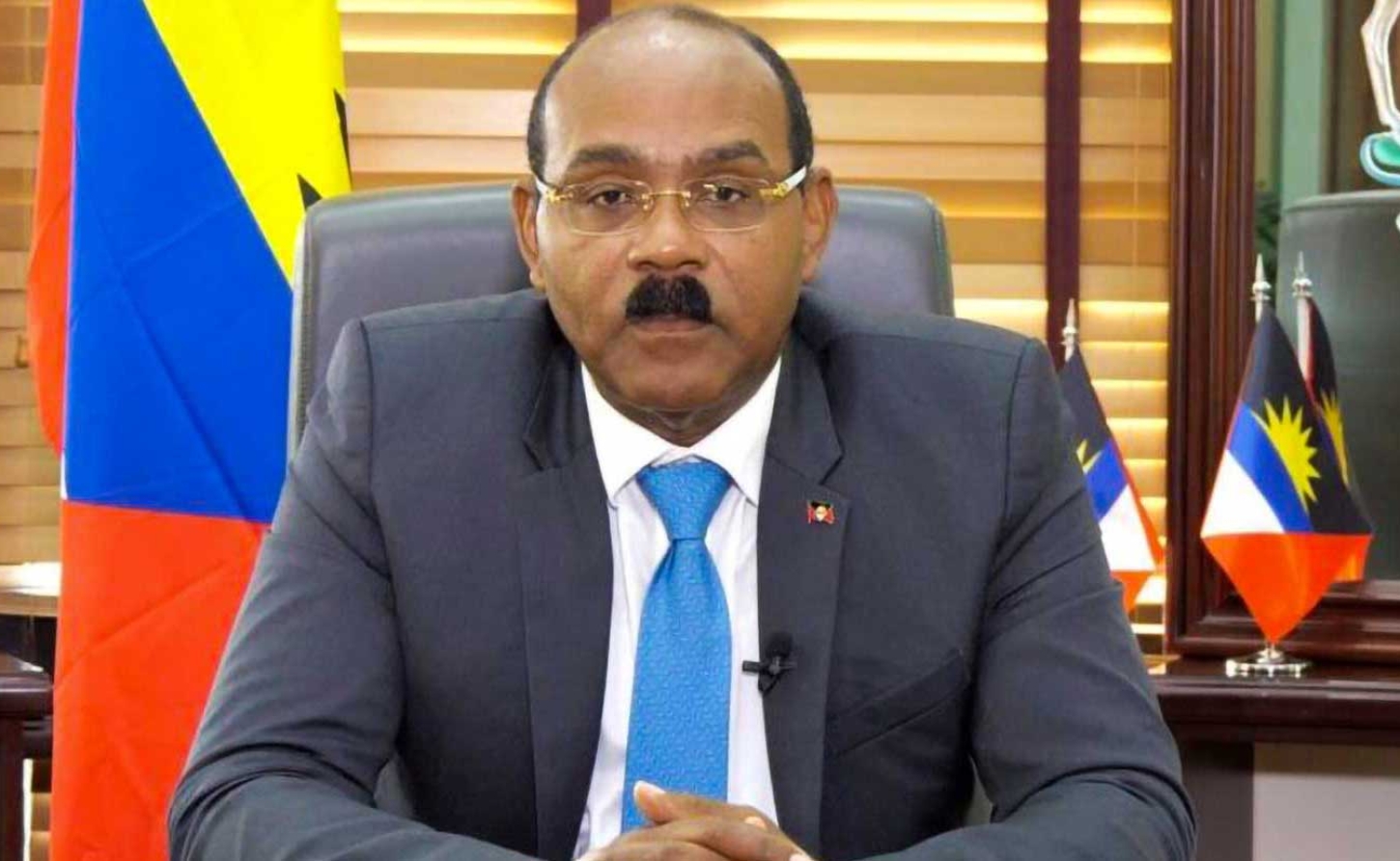
Prime Minister of Antigua and Barbuda, Gaston Browne
Antigua and Barbuda punished for problems it already fixed—revealing the futility of small-state compliance
ST. JOHNS, Antigua, December 16, 2025 - There's a particular cruelty in being punished for sins you've already repented. Antigua and Barbuda spent the past year working "closely and constructively" with multiple US government departments to strengthen its Citizenship by Investment Programme, accepted their recommendations, enacted comprehensive new legislation, and introduced a mandatory 30-day residency requirement.
Their reward? A presidential proclamation suspending US visa issuance to their nationals effective January 1, 2026—a proclamation so sudden that even the State Department officials tasked with implementing it learned about it the same day as everyone else.
Prime Minister Gaston Browne's December 16 statement radiates the kind of diplomatic restraint that comes from knowing your nation's economic survival depends on not antagonizing a superpower.
But beneath the measured language—the careful noting, the deep disappointment, the valued relationships—lies a starker reality: small Caribbean states exist at the mercy of presidential proclamations issued without consultation, without warning, and apparently without even informing the relevant government departments charged with executing them.
The Moving Goalposts
The proclamation's stated justification is that Antigua's CIP programme "has historically operated without a residency requirement." This is technically true in the same way it's technically true that someone who quit smoking last year "has historically been a smoker."
Antigua's Parliament recently enacted legislation introducing exactly such a requirement—30 days of mandatory physical presence—alongside enhanced due diligence, transparency measures, and information-sharing protocols specifically designed to address American security concerns.
None of that mattered. The proclamation went forward anyway, freezing Antigua out of US visa categories and creating immediate havoc for a nation where the United States represents the most significant trading partner and where "long-standing ties of friendship" suddenly count for nothing against the stroke of a presidential pen.
Governance by Surprise
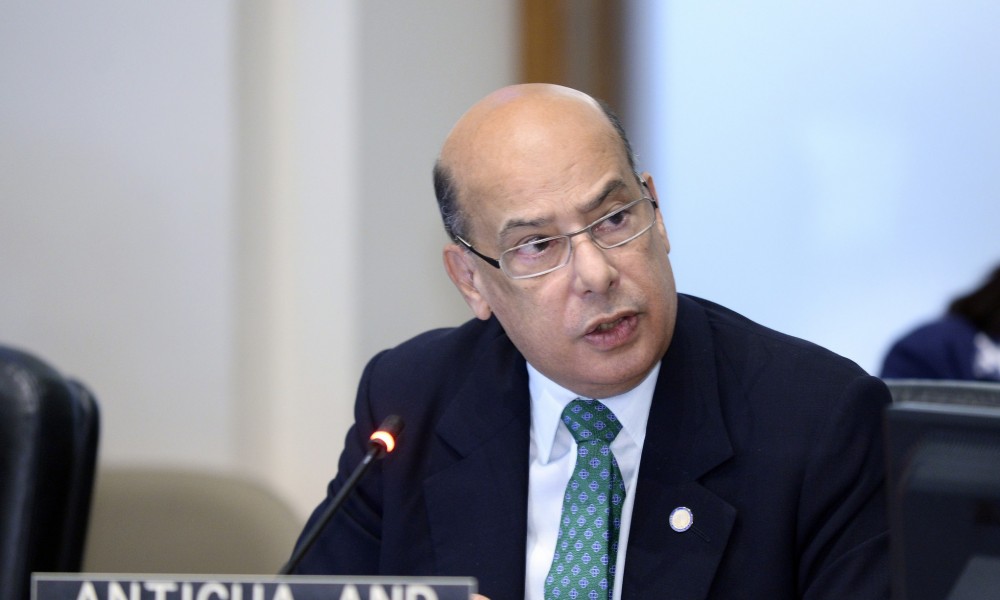
Antigua and Barbuda's Ambassador Sir Ronald Sanders who had been meeting with US authorities in respect of amendments the CIP Programme
This isn't diplomacy; it's governing by ambush. When even the bureaucrats responsible for implementing policy learn about it simultaneously with the affected nation, something has fundamentally broken down in how decisions are made.
The Trump administration's style—proclamations issued without interagency coordination, without diplomatic preparation, without consideration for nations that have spent months complying with American demands—reduces Caribbean states to mere objects of policy rather than partners in dialogue.
Antigua can engage in "good faith," accept "practical suggestions," and take "concrete steps," but all of that becomes meaningless when presidential authority operates independent of the very departments supposedly managing these relationships.
The Arithmetic of Powerlessness
Browne's statement carefully notes the "substantial and consistent trade surplus" the United States enjoys with Antigua—a reminder that this relationship flows overwhelmingly in America's favor. Yet even this economic reality provides no protection. Small states can comply, reform, and cooperate, but they cannot escape their fundamental vulnerability: they need the United States far more than the United States needs them.
The Prime Minister promises to write directly to Trump and Secretary of State Marco Rubio, offering "full engagement and cooperation" to resolve the issue. But the subtext is impossible to miss—Antigua must now scramble to fix a problem that apparently exists only in outdated assessments, pleading for restoration of "normal visa access" that was revoked for reasons its own reforms should have addressed.
A Precedent for Paranoia
Beyond Antigua's immediate crisis lies a chilling message for every Caribbean nation operating a CIP programme: compliance means nothing if Washington decides otherwise. The goalposts don't just move—they disappear entirely, replaced by proclamations that ignore present reality in favor of "historical" justifications that no amount of reform can erase.
This is how empires treat subjects, not how partners treat allies. And Antigua's powerlessness to do anything but politely protest reveals exactly which category small Caribbean states occupy in the imperial imagination.
-30-
