JAMAICA | Forward Guyana Movement Refuses to Legitimise Parliament Without Opposition Leader
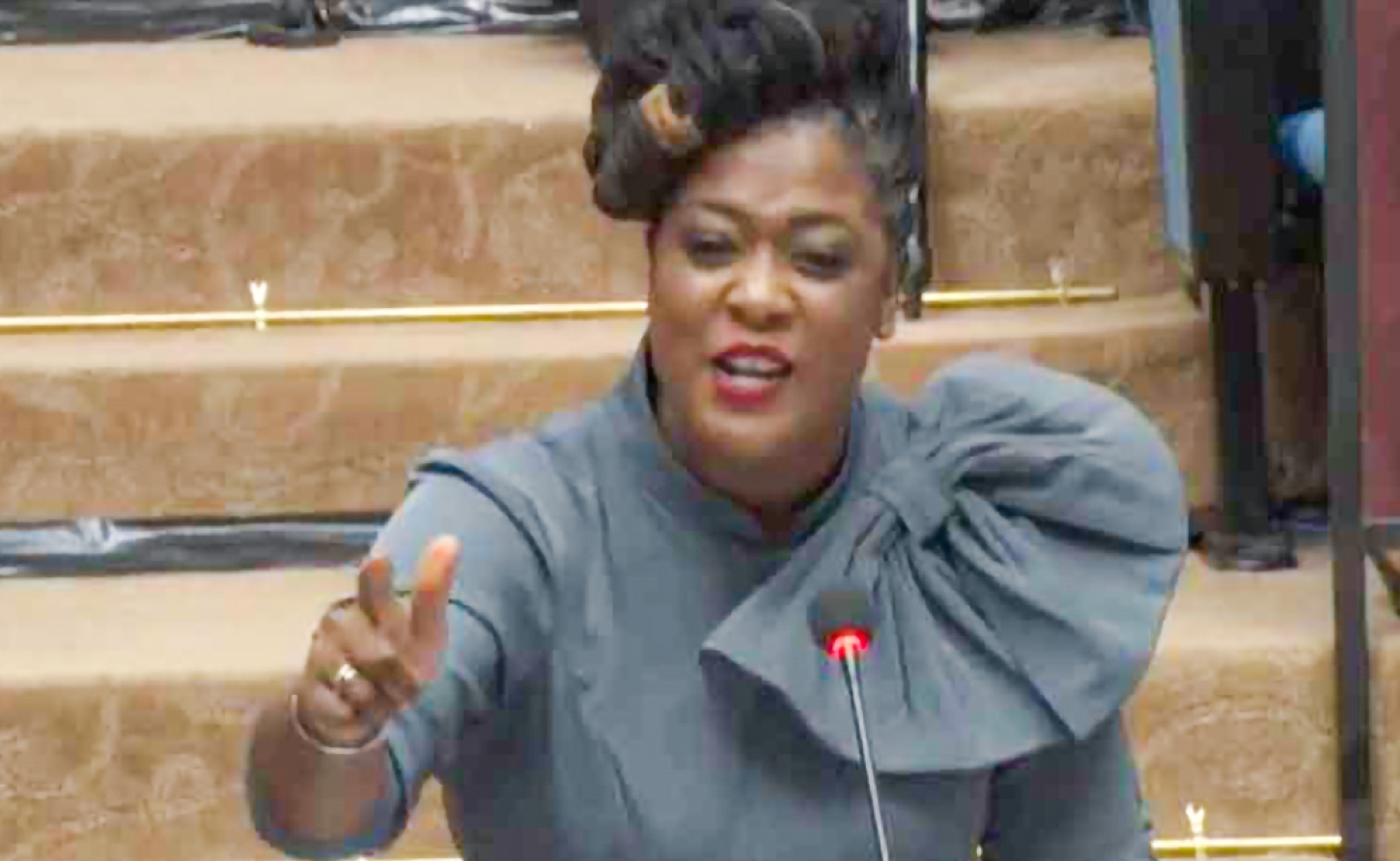
Forward Guyana Movement leader Amanza Walton-Desir
Walton-Desir's boycott of January 26 budget presentation exposes deepening constitutional crisis
GEORGETOWN, Guyana | January 20, 2026 - Opposition Member of Parliament Amanza Walton-Desir has drawn a line in the sand.
The Forward Guyana Movement leader announced Monday that her party will refuse to participate in the presentation of the 2026 National Budget unless Parliament first facilitates the election of a Leader of the Opposition—a constitutional requirement that has been deliberately ignored for nearly three months.
"We will not sit there and pretend that it is business as usual," Walton-Desir declared in a statement following Finance Minister Dr. Ashni Singh's announcement that the Budget will be presented on January 26.
"Forward Guyana Movement will not be sitting to listen to Ashni go on for hours while the government refuses to do what is right."
Her words carry the weight of constitutional principle. Article 184(1) of Guyana's Constitution is unambiguous: the Leader of the Opposition shall be elected by non-governmental members of the National Assembly at a meeting chaired by the Speaker.
Yet since the 13th Parliament was convened on November 3, 2025, Speaker Manzoor Nadir has not called that meeting. The chamber has sat silent, its democratic architecture deliberately incomplete.
Manufacturing Normalcy While Democracy Atrophies
Walton-Desir's accusation cuts to the bone of the crisis: "The PPP is manufacturing normalcy whilst refusing to complete the constitutional architecture, and then using their majority numbers to bulldoze legitimacy."
The opposition collectively holds 29 seats—We Invest in Nationhood (WIN) with 16, A Partnership for National Unity (APNU) with 12, and FGM with one.
Under normal constitutional operation, WIN's Azruddin Mohamed would be elected Opposition Leader, a position that carries not merely symbolic weight but substantive power: consultation rights on judicial appointments, oversight committee participation, and formal recognition as the voice of those who voted against the governing party.
Instead, Guyana has witnessed what critics describe as the hallmarks of democratic erosion dressed in procedural language.
President Irfaan Ali recently appointed three members to the Teaching Service Commission without the constitutionally mandated consultation with an Opposition Leader—because the government has ensured none exists.
The Budget Paradox
Walton-Desir posed a question the government has yet to answer: "The Office of the Leader of the Opposition is funded by the State.It receives a subvention from Parliament.
So, who has been engaged to determine that figure? What figure did they budget for the operation of the Office of the Leader of the Opposition when they have deliberately refused to allow one to be elected?"
The irony is bitter. A government preparing to present its fiscal vision for the nation has simultaneously ensured that the constitutional office tasked with scrutinising that vision remains vacant. The very budget that will allocate funds to the Office of the Opposition Leader was crafted while that office was being deliberately paralysed.
Historical Contrast, Present Danger
The current impasse stands in stark contrast to democratic precedent. In 2015, the Opposition Leader was elected on the same day that opposition MPs were sworn in. That moment demonstrated what functional parliamentary democracy looks like—the Speaker acting with professionalism and independence rather than as an extension of executive power.
Walton-Desir rejected any suggestion that the standoff is driven by personalities or the controversial status of the presumptive Opposition Leader. "This has nothing to do with anybody's private money, means, or personality," she said.
"This is about whether Guyana will have a functioning democracy or whether Irfaan Ali and his government will simply do whatever they want because they have the numbers."
The Stakes Beyond Georgetown
For the Caribbean, Guyana's constitutional crisis carries regional implications. A nation whose oil wealth has made it the fastest-growing economy in the world is simultaneously demonstrating that economic prosperity and democratic health do not necessarily travel together.
The longer Parliament remains structurally incomplete, the more normalised such dysfunction becomes—not just in Guyana, but as a template for executive overreach across the region.
The Forward Guyana Movement's boycott is more than political theatre. It is a refusal to participate in the fiction that democracy functions when its essential architecture has been deliberately dismantled.
As Walton-Desir warned: "This government has shown such disregard for us as Guyanese, and we must not accept that as normal."
The question now is whether Guyana's democratic institutions will be restored before they are forgotten.
WiredJa | Caribbean News and Analysis
-30-
