
JAMAICA | When a National Security Minister Fires at the Wrong Enemy, Opposition Fires Back
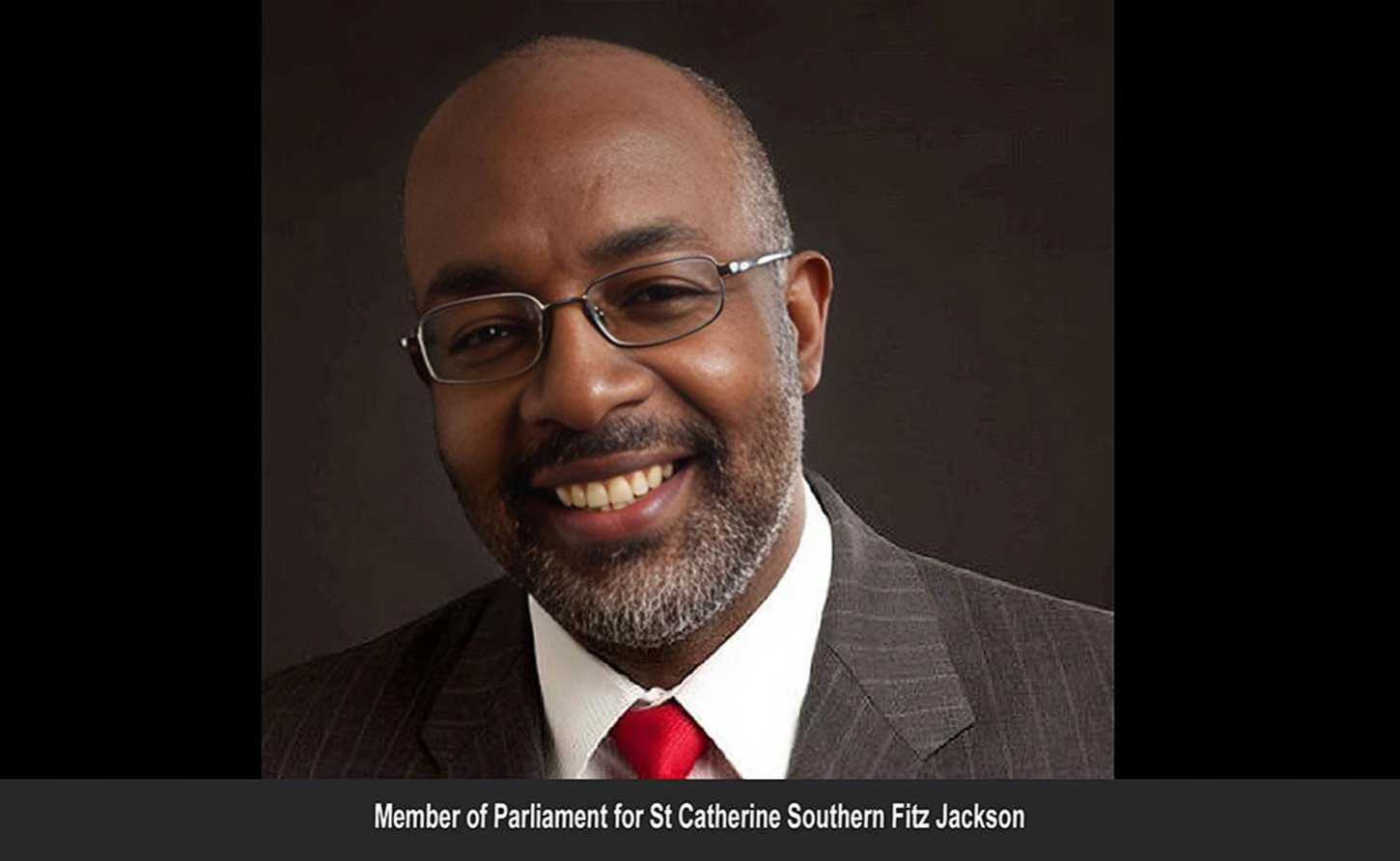
JAMAICA | When a National Security Minister Fires at the Wrong Enemy, Opposition Fires Back
Opposition fires back as Minister's attack on Jamaicans for Justice exposes a troubling instinct to silence accountability
By WiredJa Staff | Kingston, Jamaica | February 25, 2026
In a democracy, the Minister of National Security is supposed to be its guardian—the institutional voice that stands between the citizen and the unchecked exercise of state pow
The answer, if you listen to Opposition Spokesperson on National Security Fitz Jackson, is deeply unsatisfying. Jackson has come out swinging against the Minister's characterisation of Jamaicans for Justice (JFJ)—one of the island's most respected human rights bodies—as an organisation "living off blood money."
It is a phrase calculated to wound, designed to delegitimise, and utterly unbefitting the office from which it was issued.
Jackson did not mince words. He branded the statement "unfortunate, reckless, inappropriate, and deeply unbecoming" of a minister entrusted with oversight of the nation's security architecture.
That is parliamentary language. But stripped of its diplomatic casing, the message is blunter still: the Minister has lost the plot.
Civil Society Is Not the Enemy
Jamaicans for Justice was not born in a vacuum. It emerged from the blood-soaked reality of a society grappling with extrajudicial killings, police impunity, and a justice system that too often serves the powerful and ignores the poor.
For decades, JFJ has done what governments frequently cannot, or will not, do: document abuses, advocate for victims, and force state institutions toward accountability.
JFJ has operated across administrations of both political colours. It has criticised the Jamaica Labour Party and the People's National Party with equal fervour, which is precisely what an independent civil society body should do.
Jackson made this point explicitly, noting that JFJ has advocated for justice and accountability "during periods of political parties' incumbency in government of the day."
In other words, no political party gets a pass—which is exactly why attacks on JFJ from within government smell less like principled disagreement and more like institutional defensiveness.
To call such an organisation's funding "blood money" is not merely inaccurate. It is an attempt to poison the well—to signal to the public that those who scrutinise police conduct are somehow complicit in crime rather than committed to justice.
It is a rhetorical tactic that autocrats have used the world over to silence inconvenient watchdogs. Jamaica deserves better than to see it employed here.
The Real Security Crisis Is Being Ignored
There is a bitter irony at the heart of this episode. While the Minister was firing verbal salvos at human rights advocates, Jamaica continues to grapple with a violent crime challenge that resists easy solution.
Communities remain terrorised. Families bury their dead. And investigative capacity within the security forces—the very infrastructure that translates political will into actual crime reduction—remains stretched.
Jackson identified this misplacement of ministerial energy with surgical precision. "At a time when the country is grappling with serious crime challenges," he warned, "the focus of the Minister of National Security should be on evidence-based policy, strengthening investigative capacity, and building trust between citizens and the security forces—not targeting civil society organisations with inflammatory rhetoric."
Trust between citizens and security forces is not a luxury—it is an operational necessity. Crime-fighting depends on intelligence, and intelligence depends on cooperation. When government officials attack the very organisations that maintain a bridge between marginalised communities and institutional accountability, they do not make Jamaica safer. They make it more dangerous.
Words Have Weight—Especially These
The Minister's remarks did not occur in a sterile political environment. Jamaica has experienced the lethal consequences of state-sanctioned hostility toward those who document police conduct. Witnesses have been intimidated.
Communities have been warned not to cooperate with rights organisations.
When a senior government minister publicly brands such an organisation with the language of criminality, he gives licence—whether intentionally or not—to those who would silence accountability advocates by other means.
Jackson understands this context. His call for the Minister to "humbly withdraw the statement and recommit to respectful, responsible engagement" is not simply Opposition point-scoring.
It is a recognition that ministerial language on matters of human rights and policing carries consequences that extend far beyond the political theatre of press releases and parliamentary debates.
The Standard Jamaica Must Demand
There is a simple test for ministerial conduct in a functioning democracy: would these remarks make the country safer, more just, or more cohesive? The Minister's characterisation of JFJ fails that test on every count. It does not reduce crime.
It does not improve policing. It does not build the trust that security forces desperately need to function effectively. What it does do is reveal an instinct to respond to scrutiny with aggression rather than accountability.
As Jackson put it: "National security is far too serious to be politicised through hostile commentary. Jamaica needs mature leadership that encourages constructive engagement with all stakeholders, including civil society, in the collective effort to make our country safer for all."
Mature leadership. Constructive engagement. These are not radical propositions. They are the baseline requirements of governing with dignity.
The Minister would do well to remember that the organisations documenting police misconduct are not Jamaica's enemies—they are, on the days when the system fails, the last line of defence for ordinary Jamaicans who have nowhere else to turn.
Withdraw the statement. Do the job. The rest will follow.
-30-
— WiredJa | Caribbean-Centered. Accountable. Independent.
